
Archives
Saudi Arabia: A Journey Through Its Rich Culture and Heritage


Saudi Arabia is a land of contrasts, where ancient traditions coexist with modern advancements. From the bustling markets of Riyadh to the serene landscapes of Al-Ula, every corner tells a story steeped in history and culture. This kingdom is not only known for its vast deserts and oil wealth but also for its rich tapestry of heritage that has shaped its identity over centuries.
As you embark on this journey through Saudi Arabia, prepare to immerse yourself in vibrant customs, tantalizing cuisine, and breathtaking art forms. Whether you’re drawn by religious significance or intrigued by local traditions, there’s something captivating waiting at every turn. Discovering Saudi Arabia is like unwrapping a gift—each layer reveals more about its past and present. Join us as we explore what makes this country truly unique!
Historical Background
Saudi Arabia’s historical tapestry is rich and complex. It serves as the cradle of Islam, where the Prophet Muhammad was born in Mecca around 570 CE. The region’s significance surged with the emergence of Islamic civilization.
The Kingdom itself has roots that stretch back to ancient trade routes connecting Asia, Africa, and Europe. Nomadic tribes roamed its vast deserts long before unification.
In 1932, Abdulaziz Ibn Saud founded modern Saudi Arabia after a series of conquests. This marked a turning point in its identity as a unified state rather than fragmented tribal territories.
Throughout history, Saudi Arabia has been shaped by waves of cultural influences from neighboring regions. From ancient civilizations like the Nabateans to Ottoman rule, each chapter adds depth to this nation’s story. Today, remnants of that past coexist with modern advancements across cities and landscapes.
Religious Significance and Practices
Saudi Arabia is the birthplace of Islam, making it a pivotal destination for millions of Muslims worldwide. The country hosts Mecca and Medina, two cities that hold immense religious significance.
During Hajj, the annual pilgrimage to Mecca, millions gather in devotion. This event showcases unity among diverse cultures and backgrounds. Pilgrims engage in rituals designed to deepen their faith and spirituality.
Daily life is intertwined with Islamic practices. Prayer five times a day creates a rhythm that shapes daily routines. Mosques serve as community centers where worshippers connect beyond prayer.
Ramadan brings fasting from dawn until sunset, fostering empathy among participants for those less fortunate. It’s a time for reflection and increased devotion.
Additionally, Saudi Arabian customs reflect Islamic teachings deeply rooted in family values and hospitality traditions. These elements create an environment rich with spiritual depth and cultural resonance.
Cultural Traditions and Customs
Saudi Arabia is a tapestry of vibrant cultural traditions and customs that reflect its rich history. The country’s culture is deeply rooted in Islamic values, shaping daily life and social interactions.
Hospitality stands at the forefront. Guests are often welcomed with dates and Arabic coffee, symbolizing generosity. This custom showcases respect for visitors, fostering strong community bonds.
Family ties hold immense importance too. Large gatherings are common during celebrations like Eid al-Fitr and Eid al-Adha, when families come together to share meals and spend quality time.
Traditional dress also plays a key role in expressing identity. Men typically wear the thobe, while women don their abayas, both garments reflecting Saudi heritage and modesty.
Music and dance offer another glimpse into local culture. Traditional songs accompany festive occasions, while dances like the Ardah highlight unity through rhythm and movement. Each aspect tells a story of resilience and pride amidst modern influences.
Cuisine and Traditional Dishes
Saudi Arabian cuisine is a delightful fusion of flavors and traditions. It reflects the country’s rich history and diverse cultures, making every meal an experience worth savoring.
One iconic dish is Kabsa, a fragrant rice dish usually served with chicken or lamb. The blend of spices creates a warm and inviting aroma that fills the air. Each family has its own secret recipe, adding a personal touch to this beloved staple.
Another must-try is Mandi, similar to Kabsa but often cooked in an underground oven for hours. This cooking method infuses the meat with exceptional tenderness and flavor.
Don’t miss out on traditional bread like Khubz; it accompanies nearly every meal. Pair it with spicy dips such as Hummus or Baba Ganoush for an authentic taste of Saudi hospitality.
Sweet treats like Baklava offer a perfect finish to any feast, showcasing layers of flaky pastry filled with nuts and honey syrup.
Art, Music, and Literature
Art in Saudi Arabia is a vibrant tapestry woven from history and modernity. Traditional crafts such as calligraphy and pottery reflect the rich Islamic heritage, showcasing intricate designs that tell stories of faith and culture.
Music plays an essential role in daily life. The sound of the oud fills the air during celebrations, while folk songs echo through villages. Each region has its unique rhythm, resonating with local traditions.
Literature flourishes too. Poets like Al-Farazdaq have left their mark on Arabic literature. Today’s writers explore various themes, bridging past and present experiences.
Contemporary art scenes are blossoming in cities like Jeddah and Riyadh. Galleries exhibit both local talents and international artists, highlighting a fusion of styles that embrace diversity.
This artistic evolution mirrors Saudi Arabia’s dynamic identity—where tradition meets innovation in captivating ways.
Modern Developments and Tourist Attractions
Saudi Arabia is witnessing a remarkable transformation. Modern skyscrapers now grace its skyline, symbolizing the country’s ambitious vision for the future.
Riyadh, the capital, boasts attractions like the Kingdom Centre Tower and Al Faisaliah Center. These architectural marvels provide stunning views of the cityscape.
Cultural hubs are emerging across Saudi Arabia. The King Abdulaziz Center for World Culture showcases art, history, and science under one roof. Visitors can immerse themselves in interactive exhibits that celebrate both local and global narratives.
The Red Sea coast has become a hotspot for luxury tourism with resorts like NEOM on the horizon. This project aims to redefine travel experiences with eco-friendly innovations.
Historical sites such as Al-Ula offer breathtaking landscapes intertwined with ancient heritage. Tourists can explore rock formations and archaeological treasures that tell stories from centuries past.
Tips for Traveling to Saudi Arabia
Traveling to Saudi Arabia can be a rewarding experience. First, familiarize yourself with local customs and traditions. Respect for the culture is paramount.
Dress modestly, especially in public places. Women are encouraged to wear abayas, while men should avoid shorts. Comfortable shoes are essential as you’ll likely do a lot of walking.
Learn basic Arabic phrases; locals appreciate any effort made to speak their language. However, English is widely understood in major cities.
Stay hydrated and use sunscreen when exploring outdoor sites like the Al-Ula rock formations or the historic Diriyah.
Public displays of affection are frowned upon, so keep interactions discreet. Always carry identification and be aware of cultural norms regarding photography—ask permission before taking pictures of people or sacred spaces.
Plan your itinerary carefully around prayer times as many shops and restaurants close during these periods.
Conclusion
Saudi Arabia is a land of contrasts, where ancient traditions meet modern advancements. Its rich culture and heritage offer something unique for every traveler. From the historic streets of Jeddah to the grandeur of Riyadh’s skyline, each corner tells a story.
The religious significance woven into daily life provides insight into the values that shape this nation. The warm hospitality and vibrant customs reflect the pride its people take in their heritage. Culinary delights await those willing to explore local markets and savor traditional dishes.
Artistic expressions through music, dance, and literature add depth to Saudi culture, inviting visitors to experience creativity at its finest. Modern developments showcase a commitment to progress while preserving history.
Traveling through Saudi Arabia opens doors to unforgettable experiences filled with discovery and wonder. Every moment spent in this remarkable country leaves an indelible mark on the heart and mind. Whether you are seeking adventure or tranquility, Saudi Arabia enriches your journey in ways beyond imagination.
Welcome to CNLawBlog, your go-to source for the latest insights and developments in law and policy. In a world where legislation can shift overnight, staying informed is crucial for professionals, businesses, and everyday citizens alike. With each passing day, new trends emerge that influence how we navigate legal landscapes. Whether you’re a legal expert or simply curious about how laws impact your life, our blog will keep you updated on key issues shaping our society today.
Join us as we dive into critical topics like technology’s role in data privacy and explore case studies that illustrate how tech companies are adapting to these changes. We’ll also examine the government’s influence on lawmaking and discuss what it means for individuals and businesses moving forward. Get ready to enhance your understanding of current events with CNLawBlog—where knowledge meets relevance!
The Importance of Staying Updated on Law and Policy Trends
In today’s rapidly changing world, staying informed about law and policy trends is crucial. Laws evolve to address new challenges, especially in sectors like technology and health care.
For professionals, understanding these shifts can shape strategic decisions. Compliance is not just a legal obligation; it’s essential for maintaining credibility and trust with clients.
Individuals also benefit from being aware of their rights and responsibilities under current legislation. This knowledge empowers them to navigate complex systems more effectively.
Moreover, policymakers rely on public awareness to gauge the impact of laws. Engaged citizens contribute valuable perspectives that inform future regulations.
Keeping abreast of legal changes fosters a more transparent society where everyone understands the implications of new rules. Knowledge equips communities to advocate for necessary reforms while ensuring accountability from those in power.
Latest Trends in Law and Policy: Technology and Data Privacy
The intersection of technology and data privacy has become a hotbed for legal innovation. As digital footprints grow, so do the complexities surrounding personal information protection.
New regulations are emerging globally to address concerns over data misuse. The General Data Protection Regulation (GDPR) in Europe set a precedent that many countries now aspire to replicate. Compliance is no longer optional; it’s essential.
Tech companies are responding by developing robust privacy measures, often going beyond legal requirements. This proactive approach not only builds trust with consumers but also mitigates potential liabilities.
Emerging technologies like artificial intelligence present additional challenges and opportunities within this landscape. Legal frameworks must adapt quickly to keep pace with rapid advancements while ensuring individual rights remain protected.
The dialogue between lawmakers and tech innovators continues to evolve as society grapples with the implications of our increasingly interconnected world.
Case Studies: How Tech Companies are Adapting to Changing Laws and Regulations
Tech companies are in a constant state of flux as they navigate the evolving landscape of laws and regulations. Take, for instance, how major social media platforms have adjusted their data privacy policies to comply with GDPR. They’ve invested heavily in user consent features while enhancing transparency around data usage.
Similarly, ride-sharing services have adapted by lobbying for more favorable regulatory frameworks. By working closely with local governments, these companies strive to ensure compliance without losing market share.
Another example is fintech firms that have embraced blockchain technology to meet anti-money laundering requirements. This innovative approach not only ensures compliance but also enhances security and efficiency.
These case studies underscore the agility required in today’s tech environment. Companies that proactively adapt tend to thrive amid uncertainty while others may falter under pressure from new regulations.
The Role of Government in Shaping Law and Policy Trends
Government plays a pivotal role in shaping law and policy trends. Through legislation, it sets the framework within which businesses and individuals operate. These laws reflect societal values and address emerging issues.
Policy-making is not static; it’s dynamic, responding to changes in technology, public opinion, and global circumstances. Governments often collaborate with stakeholders to ensure that new regulations are effective yet practical.
In areas like data privacy or environmental protection, government actions can drive innovation while safeguarding citizens’ rights. This balance is crucial for fostering trust between the public and tech companies.
Moreover, international relations influence domestic policies as governments navigate treaties and agreements that impact local regulation. The interplay of these factors creates a complex landscape where adaptability is key for both lawmakers and those they govern.
Impact on Businesses and Individuals: Benefits and Challenges
The evolving landscape of law and policy significantly impacts both businesses and individuals. For companies, staying compliant with new regulations can lead to enhanced credibility and trust among consumers. This creates opportunities for growth and innovation.
However, adapting to these changes also presents challenges. The cost of compliance can strain resources, especially for small businesses. Navigating complex legal frameworks often requires expert guidance, which adds another layer of expense.
Individuals are not immune to these shifts either. Technology-driven laws can enhance privacy protections but may also limit personal freedoms in certain contexts. Understanding one’s rights becomes crucial in a rapidly changing environment.
For everyone involved, the key lies in balance—leveraging benefits while mitigating risks is essential as we navigate this dynamic realm together.
Future Predictions for Law and Policy Trends
As we look ahead, the landscape of law and policy is set to evolve dramatically. Emerging technologies will drive new regulations focused on artificial intelligence and blockchain. This shift could lead to more robust frameworks governing data protection.
Environmental law is another area ripe for transformation. With climate change at the forefront, expect stricter policies aimed at promoting sustainability. Governments may also implement incentives for businesses adopting green practices.
Public health laws are likely to see changes too, especially in light of global pandemics. Future legislation might emphasize preparedness and response strategies that prioritize community welfare.
Moreover, social justice movements will continue influencing policy decisions, pushing reforms around equity and access to legal resources. As a result, our legal system may become more inclusive over time, reflecting diverse societal needs as they arise.
Conclusion: Why CNLawBlog is Your Go
CNLawBlog stands as a vital resource for anyone interested in the evolving landscape of law and policy. With its focus on the latest trends, it offers valuable insights that help readers navigate complex legal waters. The blog is not just about staying informed; it’s about understanding how these changes impact real-world scenarios.
From technology and data privacy to government regulations, CNLawBlog covers it all with clarity and depth. Each article provides context around significant shifts in legislation and helps demystify intricate policies that affect individuals and businesses alike.
By regularly engaging with CNLawBlog, you gain access to expert analysis, case studies, and predictions that can guide your strategies moving forward. Whether you’re a legal professional or simply curious about your rights in an ever-changing world, this blog serves as a practical tool for enlightenment.
Stay ahead of the curve by making CNLawBlog part of your reading routine. It’s more than just information; it’s a connection to what shapes our society today and tomorrow.
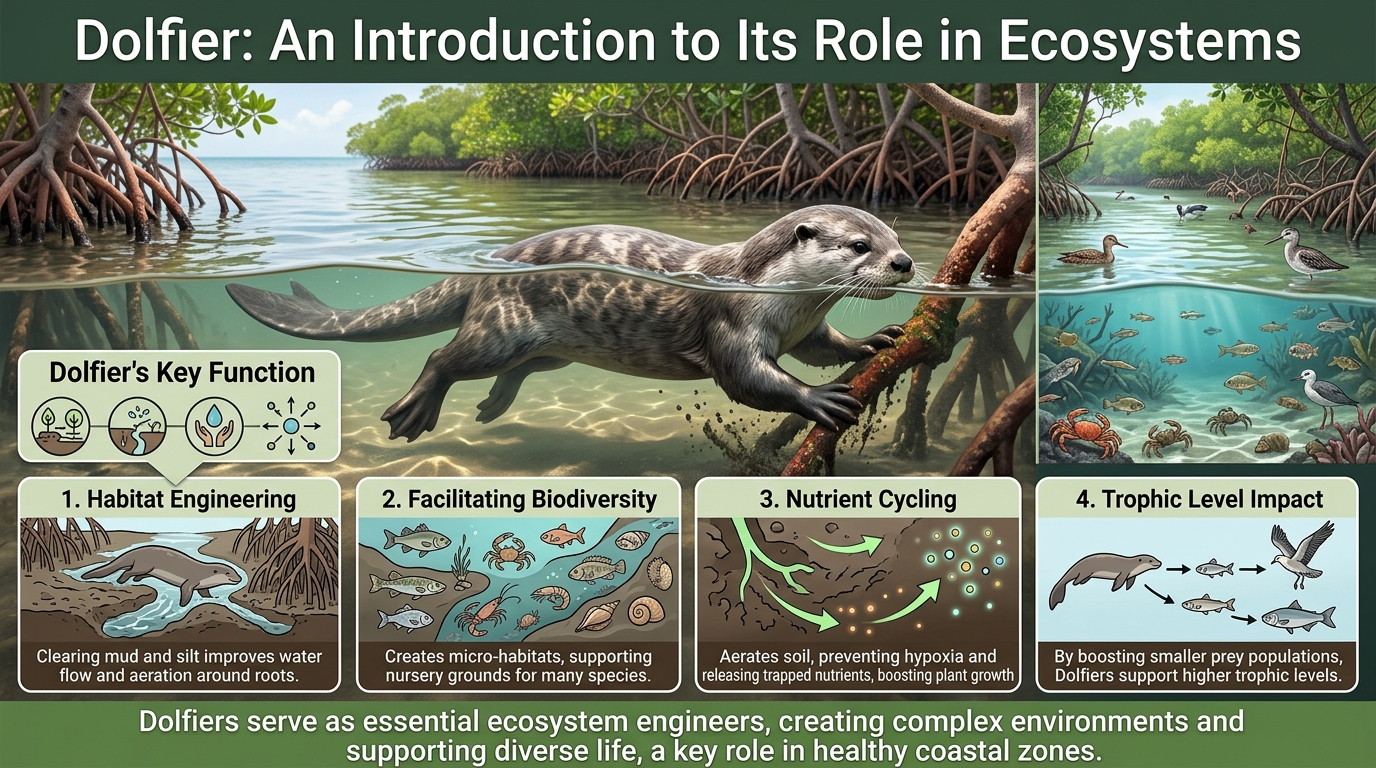
Imagine a world where ecosystems thrive in harmony. At the heart of this delicate balance lies an often-overlooked element: dolfier. While it might not be a household name, understanding its role is crucial for appreciating the intricate web of life around us. From sustaining plant growth to influencing animal populations and even affecting water quality, dolfier plays a vital part in maintaining environmental health. In this exploration, we’ll uncover what dolfier is and why it matters more than we realize. Let’s dive into how this fascinating component shapes our natural world!
Defining Dolfier and Its Importance
Dolfier is a dynamic component found in various ecosystems, often characterized by its unique biological and chemical properties. Though not widely recognized, it plays an essential role in maintaining ecological balance.
This element serves as a foundation for numerous interactions among organisms. It influences nutrient cycles and supports diverse habitats. Without dolfier, many species would struggle to thrive.
Its importance extends beyond plant life; dolfier impacts entire food webs. By facilitating energy transfer between producers and consumers, it ensures that ecosystems function smoothly.
Moreover, dolfier contributes to soil health. A rich substrate allows plants to flourish, which in turn supports animal populations reliant on those plants for sustenance. Understanding this intricate relationship highlights the significance of preserving dolfier within our environments.
The Role of Dolfier in Ecosystems
Dolfier plays a crucial role in maintaining the balance within ecosystems. Its presence influences various biological processes that support life.
As a fundamental component, Dolfier contributes to nutrient cycling. It helps break down organic matter, releasing essential nutrients back into the soil. This process ensures plants have access to vital resources necessary for growth and development.
Additionally, Dolfier fosters biodiversity by providing habitats for numerous organisms. Many species rely on Dolfier-rich environments for shelter and food sources, creating interconnected relationships among flora and fauna.
Furthermore, its interactions with other ecosystem components can enhance resilience against environmental changes. By supporting diverse plant communities, Dolfier strengthens ecosystems’ ability to adapt and thrive amid challenges such as climate change or habitat loss.
In essence, understanding the multifaceted role of Dolfier deepens our appreciation of nature’s intricate web of life.
How Dolfier Affects Plant Growth
Dolfier plays a crucial role in stimulating plant growth. It enhances soil fertility, providing essential nutrients that plants need to thrive. When dolfier is present, it boosts the microbial activity in the soil, creating a healthier environment for roots.
Moreover, it assists in moisture retention. This quality ensures that plants have access to water even during dry spells. With adequate hydration, growth rates can significantly increase.
Additionally, it interacts with various plant species differently. Some may benefit from increased nutrient uptake while others might see enhanced resilience against pests and diseases.
This dynamic relationship between it and vegetation fosters biodiversity within ecosystems. As diverse plant life flourishes, it contributes further to habitat stability and ecological balance.
Impact of Dolfier on Animal Populations
Dolfier plays a crucial role in shaping animal populations within its ecosystem. By influencing food availability, it directly affects the survival and reproduction of various species.
When Dolfier thrives, it supports diverse plant life. This abundance creates habitats for insects, birds, and mammals. More food sources lead to healthier animal communities.
In contrast, fluctuations in Dolfier can result in habitat loss or scarcity of resources. Animals may struggle to find adequate nutrition during these times. Such stress often leads to decreased population numbers.
Predator-prey dynamics are also influenced by Dolfier’s presence or decline. Changes in one species can ripple through the entire ecosystem, impacting others reliant on them for sustenance.
Understanding this connection enhances our knowledge of biodiversity and ecological balance—underscoring the importance of preserving Dolfier as part of our natural heritage.
The Connection Between Dolfier and Water Quality
Dolfier plays a crucial role in maintaining water quality within its habitat. This unique organism contributes to the filtration processes that help purify water sources. Through natural filtration, dolfier removes harmful substances and excess nutrients, making ecosystems healthier.
Moreover, it interacts with microorganisms in the water. These relationships can promote biodiversity while ensuring a balanced aquatic environment. Healthy populations of it enhance overall ecosystem resilience.
When it populations thrive, they indicate good water conditions for other species. Their presence often signals reduced pollution levels and better ecological balance. Conversely, declines in it may suggest deteriorating water quality due to human activities or environmental stressors.
This connection makes it essential to monitor and protect habitats where it lives. By doing so, we support not just this organism but also the entire aquatic ecosystem reliant on clean, healthy waters.
Human Activities that Affect Dolfier
Human activities significantly impact dolfier populations, often leading to detrimental effects on ecosystems. Urbanization is a primary culprit. As cities expand, natural habitats are destroyed or degraded.
Agricultural practices also play a role. Intensive farming can lead to soil erosion and nutrient depletion, negatively affecting the growth of dolfier.
Pollution adds another layer of concern. Chemicals from industrial run-off can contaminate water sources where dolfier thrive, disrupting their life cycles.
Climate change further complicates matters. Rising temperatures and altered precipitation patterns affect the delicate balance needed for optimal dolfier health.
Conservation efforts are essential in mitigating these impacts. By understanding how our actions influence this vital component of nature, we can work towards more sustainable practices that protect both dolfier and their ecosystems.
Ways to Protect and Preserve Dolfier
Protecting and preserving dolfier starts with awareness. Education about its ecological role is crucial. When communities understand the importance of dolfier, they are more likely to take action.
Reducing pollution in habitats where dolfier thrives can make a significant difference. Encouraging sustainable agricultural practices helps maintain soil health and water quality, which directly benefits this species.
Creating protected areas ensures that natural environments remain intact. These spaces allow for the flourishing of diverse ecosystems, including those reliant on dolfier.
Supporting local conservation initiatives strengthens efforts at grassroots levels. Volunteering or donating resources can aid organizations focused on protecting these vital ecosystems.
Advocating for responsible land use policies can help mitigate human impact on regions populated by dolfier. Engaging with lawmakers encourages better environmental regulations that prioritize biodiversity and ecosystem health.
Conclusion
Dolfier plays a crucial role in maintaining the balance of ecosystems. Its presence influences plant growth, supports diverse animal populations, and contributes to overall water quality. Human activities pose significant threats to dolfier, making it imperative that we recognize its importance and take action.
Protecting and preserving dolfier benefits not just the environment but also our health and well-being. By understanding its impact on ecosystems, we can make informed decisions that promote sustainability.
Engaging with nature responsibly ensures that future generations will experience the rich biodiversity supported by dolfier. Taking steps now can make a lasting difference for both wildlife and humans alike. The more we learn about this essential component of our ecosystem, the better prepared we’ll be to safeguard it for years to come.

In the vast digital landscape, URLs are your compass. They guide users to specific content and shape their online experience. But how often do we stop to think about URL management? Many businesses overlook this crucial aspect, and it can lead to a myriad of problems.
Imagine trying to navigate a maze without clear signs or direction—frustrating, right? Efficient URL management acts as that essential roadmap for both users and search engines alike. A well-structured URL not only enhances user experience but also plays a pivotal role in SEO.
So, what happens when you neglect your URLs? What common pitfalls should you avoid? And most importantly, how can effective URL management boost your business strategy? Let’s dive into these questions and explore why mastering the art of URLs is vital for success in today’s online world with our ultimate guide: URLwo.
What is a URL and why is it important to manage it?
A URL, or Uniform Resource Locator, is the web address that directs users to specific pages on the internet. Think of it as a digital street address. Each URL contains essential information that helps browsers locate and access content efficiently.
Managing your URLs effectively is crucial for several reasons. First, a clear and concise URL structure enhances user experience. It allows visitors to know where they’re heading before clicking.
Second, search engines rely heavily on URLs when indexing content. A well-optimized URL can improve your site’s visibility in search results. This means more traffic and potential conversions.
Consistent URL management aids in tracking performance metrics like clicks and bounce rates. Without proper oversight, you might lose valuable insights into how users interact with your website.
The consequences of not managing your URLs
Neglecting URL management can lead to a host of issues. Broken links often become the most visible consequence. A visitor clicks and finds dead ends instead of engaging content.
Search engines also take notice. Poorly managed URLs can harm your site’s ranking. If search bots encounter many errors, they may lower your credibility.
User experience suffers significantly as well. Confusing or inconsistent URLs frustrate visitors, leading them to leave your site swiftly. This bounce rate not only affects user engagement but could also deter potential customers from returning.
Analytics become distorted without proper tracking through manageable URLs. You might miss vital insights into customer behavior, making it difficult to strategize effectively.
Brand image takes a hit when users perceive disorganization on a website. Trust is crucial in digital interactions, and cluttered or broken links do nothing to foster that trust among visitors.
Common mistakes made when managing URLs
One common mistake in URL management is neglecting to use descriptive keywords. URLs should provide hints about the content they lead to. Generic links can confuse users and search engines alike.
Another frequent error involves changing URLs without proper redirects. Failing to set up 301 redirects can result in broken links, leading to a poor user experience and loss of traffic.
Some overlook the importance of keeping URLs short and simple. Long, complex URLs are hard for users to remember or share.
Additionally, inconsistencies across various platforms can create chaos. Using different formats or structures for similar pages may dilute your brand’s online presence.
Not regularly auditing existing URLs leads to missed opportunities for optimization. A consistent review process helps ensure all links remain functional and relevant as your site evolves.
The benefits of efficient URL management
Efficient URL management streamlines your online presence. A well-structured URL makes it easier for visitors to understand where they are on your site.
When URLs are clear and concise, users can navigate effortlessly. This leads to improved user experience and potentially higher conversion rates.
Search engines also favor organized URLs. Descriptive links enhance SEO performance, making it simpler for search engines to index your pages correctly.
Moreover, effective URL management aids in tracking analytics. You can monitor traffic patterns and identify which links drive the most engagement.
Another benefit is brand consistency. Uniformity in URLs reinforces brand identity across platforms, making them more recognizable to potential customers.
Good URL practices simplify maintenance tasks. When changes occur—like moving content or updating sites—having a managed structure minimizes confusion and errors during transitions.
Tools and techniques for effective URL management
When it comes to effective URL management, the right tools can make a significant difference. Consider using link shorteners for concise and memorable URLs. These not only save space but also allow for tracking clicks.
Content Management Systems (CMS) often come equipped with features that support URL customization. Opting for platforms like WordPress enables you to tailor your links effortlessly.
Another technique involves implementing redirects correctly. Whether it’s 301 or 302, understanding when to use them ensures users find what they’re looking for without frustration.
Utilizing analytics software is crucial too. Platforms like Google Analytics provide insight into which URLs drive traffic and engagement, helping refine your strategy over time.
Don’t underestimate the power of regular audits. Periodically reviewing your URL structure helps identify broken links and outdated content, keeping everything in tip-top shape while improving user experience on your site.
Integrating URL management into your business strategy
Integrating URL management into your business strategy can significantly enhance your online presence. It starts with understanding that every URL is a digital asset.
Consider how URLs contribute to user experience and search engine rankings. A well-structured URL not only attracts traffic but also improves navigation for visitors.
Make it a priority to create clear, concise, and meaningful URLs aligned with your content goals. Regular audits of existing links are essential too; this helps identify broken or outdated URLs that could harm user engagement.
Incorporate tools like URLwo into your workflow for streamlined management. These platforms offer analytics that reveal which links perform best, guiding future strategies.
Training team members on the importance of effective URL practices fosters consistency across all departments. This collaborative approach ensures everyone understands their role in maintaining a unified brand identity online.
Conclusion
URL management is more than a technical necessity; it’s a strategic asset. Understanding what URLs are and the importance of managing them can significantly boost your online presence. Neglecting this aspect might lead to broken links, poor user experience, and lost traffic.
Many businesses fall into common traps when handling their URLs. These mistakes often result in confusion for users and search engines alike. Learning from these errors is crucial for any organization aiming to enhance its digital strategy.
The benefits of efficient URL management extend far beyond mere aesthetics. Streamlined URLs improve SEO performance, enhance site navigation, and foster trust among users. With tools like URLwo at your disposal, you can simplify the process tremendously.
Integrating URL management practices into your business strategy will not only save time but also create opportunities for growth. A well-organized approach ensures that every link works effectively toward achieving your goals.
Embracing effective URL practices with solutions such as URLwo may be the key to unlocking new potential for success in today’s competitive digital landscape. Whether you’re a small business or an established brand, investing time in mastering this element could yield significant returns down the line.