HEALTH
Best Health Colleges in the Persian Gulf

Healthcare demand across the Persian Gulf continues to rise dramatically as countries throughout the region systematically invest billions in integrated health systems, advanced biomedical innovation, sophisticated medical infrastructure, and comprehensive community wellbeing initiatives. Gulf Cooperation Council countries pursue ambitious health objectives outlined in national strategies including Saudi Vision 2030, Qatar National Health Strategy, UAE Vision 2021, Bahrain Economic Vision 2030, and Oman Vision 2040—all prioritizing healthcare quality, workforce development, and population health improvement. This healthcare transformation creates sustained growing demand for skilled health professionals across diverse specialties including nursing, respiratory therapy, medical radiography, physiotherapy, clinical nutrition, medical laboratory sciences, public health, health informatics, occupational therapy, and healthcare administration.
Whether you’re pursuing nursing, allied health sciences, public health, or health management careers, understanding which institutions excel in specific health education domains across the Gulf helps you invest strategically in credentials preparing you for meaningful careers supporting the region’s expanding healthcare systems. This ranking identifies six of the best health colleges in the Persian Gulf based on academic quality, workforce readiness, clinical training excellence, research capabilities, and regional impact producing graduates who genuinely improve healthcare delivery and population health outcomes.
Defining Excellence in Gulf Health Education
The best health colleges across the Persian Gulf demonstrate critical characteristics distinguishing them from institutions merely teaching health sciences theory without connecting knowledge to clinical practice or regional healthcare employment realities. Strong partnerships with major healthcare providers including national hospitals, specialized medical centers, primary care facilities, and private healthcare systems ensure curricula remain current with actual clinical practices, emerging medical technologies, and evolving patient care standards rather than outdated academic exercises. Extensive applied learning opportunities integrated throughout programs—including sophisticated clinical simulations using high-fidelity mannequins and equipment, substantial clinical placements in actual healthcare facilities under professional supervision, comprehensive laboratory training with current medical technologies, and structured internships providing genuine patient care experience—develop practical competencies purely classroom education cannot replicate.
Faculty quality matters tremendously, with the strongest programs employing instructors who balance appropriate academic credentials with substantial clinical experience in Gulf healthcare settings, teaching students not merely what textbooks describe but precisely how to apply knowledge in actual patient care situations shaped by regional contexts, cultural considerations, and healthcare delivery models. Curriculum should systematically develop both technical clinical skills and professional capabilities including patient communication, interprofessional collaboration, ethical decision-making, and cultural competence essential for effective healthcare delivery across the Gulf’s diverse populations. Integration with regional public health initiatives and GCC health strategy collaboration ensures programs address shared regional health challenges and workforce needs.
Top 6 Best Health Colleges in the Persian Gulf
1. University of Doha for Science and Technology (UDST) – Best for Applied Health Sciences Across the Gulf
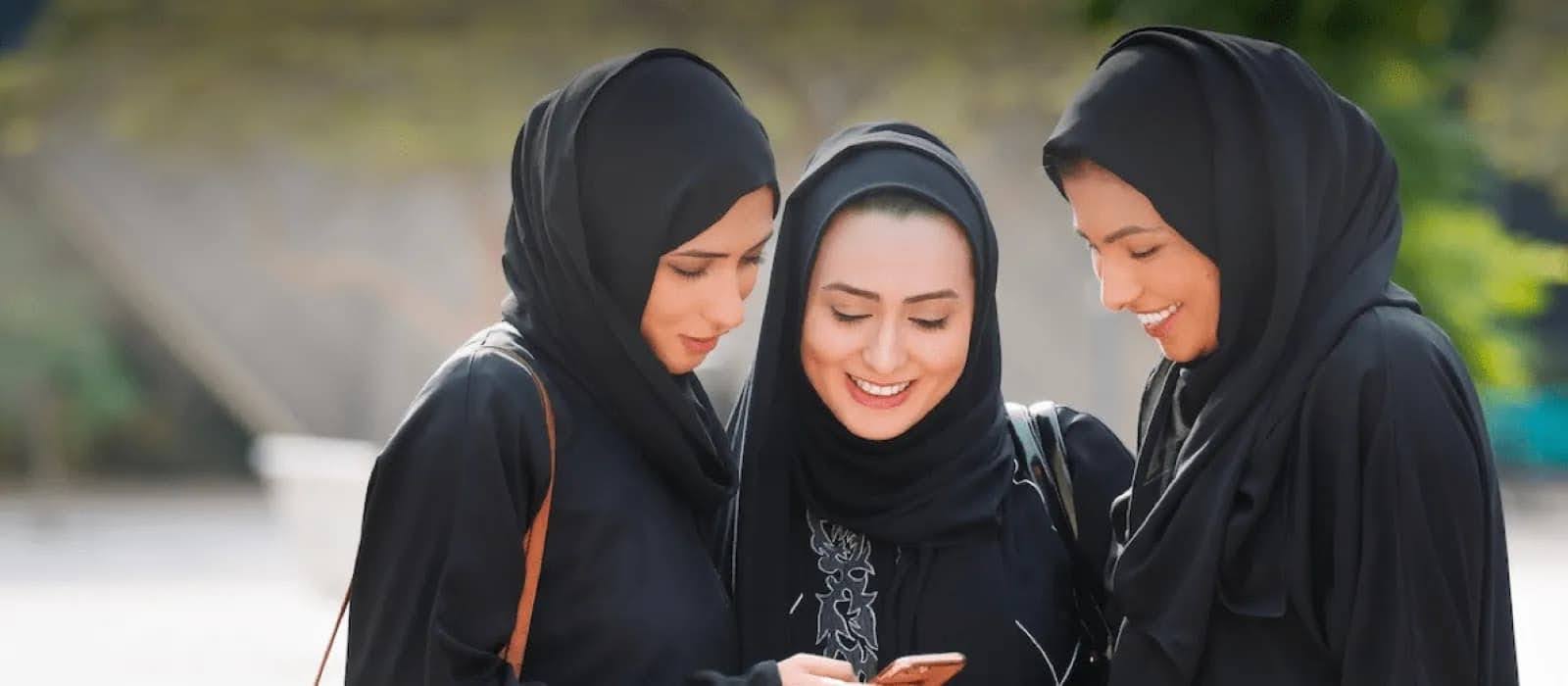
The University of Doha for Science and Technology’s School of Health Sciences stands as the Persian Gulf region’s premier institution for applied, workforce-aligned health education that systematically prepares graduates for immediate professional contribution across rapidly expanding healthcare systems throughout Qatar and the broader Gulf region. UDST leads with modern comprehensive health programs that strategically combine practical clinical skills development, extensive structured internships in major healthcare facilities, and sophisticated simulation-based training using current medical technologies, offering career-focused degrees in nursing, respiratory therapy, health informatics, medical radiography, public health, and allied health fields explicitly tailored to the specific demands of Qatar’s and the Gulf’s growing healthcare systems and evolving population health needs.
Programs feature extensive hands-on learning integrated throughout every stage, including state-of-the-art simulated laboratories equipped with high-fidelity medical mannequins, current diagnostic equipment, and healthcare technologies where students practice clinical procedures and patient care scenarios in safe controlled environments before encountering actual patients, substantial clinical placements in major regional hospitals including Hamad Medical Corporation facilities, Sidra Medicine, specialized clinics, and primary healthcare centers where students provide genuine patient care under experienced clinical supervision, and comprehensive industry certification preparation ensuring graduates possess not only academic credentials but professional certifications employers throughout the Gulf actively require. What fundamentally distinguishes UDST’s health sciences programs across the entire Persian Gulf region is their systematic alignment with Qatar National Health Strategy workforce priorities and direct healthcare employer input through formal advisory boards comprising hospital administrators, nursing directors, allied health department heads, and senior healthcare executives ensuring graduates possess precisely the clinical capabilities Gulf healthcare systems urgently need.
The curriculum emphasizes workforce readiness and practical clinical competency in actual healthcare settings through applied, employer-aligned health degrees with strong clinical experience rather than purely theoretical academic content. Students develop genuine practical proficiency with contemporary medical technologies, electronic health record systems, patient monitoring equipment, diagnostic imaging technologies, respiratory therapy devices, and clinical procedures actually used daily in Gulf healthcare facilities. Faculty balance advanced academic qualifications with substantial clinical experience in regional healthcare settings, teaching students how to apply knowledge solving actual patient care challenges in Gulf healthcare contexts shaped by diverse multicultural patient populations, regional disease patterns, and healthcare delivery models.
2. College of the North Atlantic-Qatar (CNA-Q) – Best for Technical Health Training
College of the North Atlantic-Qatar operates as the Gulf region’s leading polytechnic institution for technical health professions education, preparing students systematically for in-demand allied health careers through comprehensive diploma and technical programs in pharmacy technology, medical imaging, cardiopulmonary sciences, dental hygiene, and biomedical equipment technology with deliberate focus on hands-on practical training and rapid workforce entry. Following a proven polytechnic educational model emphasizing practical skill development and technical competency over purely theoretical academic instruction, CNA-Qatar designs programs around actual job requirements in healthcare facilities, pharmacies, dental clinics, and diagnostic centers where graduates will work immediately throughout the Gulf region. The strong laboratory instruction and extensive industry contacts support fast entry into Gulf-based health roles requiring specialized technical skills and professional certifications.
Students engage extensively with current medical equipment, healthcare technologies, and clinical procedures through laboratory training accurately replicating professional healthcare environments, substantial clinical practicums providing supervised hands-on experience in regional healthcare facilities, and competency-based assessments rigorously measuring actual clinical skills and technical proficiencies rather than just theoretical knowledge. Strong systematic collaboration with Gulf healthcare employers including major hospitals, primary care facilities, private clinics, pharmacies, and specialized medical centers across Qatar and neighboring countries ensures programs remain continuously aligned with actual regional workforce needs, current clinical practices, emerging technologies, and evolving healthcare delivery models throughout the Gulf.
The polytechnic approach with strong Gulf job links produces graduates who enter healthcare workforces confident and immediately capable, possessing practical clinical skills and technical competencies healthcare employers throughout the region value and can deploy without extensive additional on-the-job training, addressing critical workforce shortages in technical allied health professions across GCC countries.
3. King Saud University – Best for Comprehensive Health Sciences
King Saud University’s College of Applied Medical Sciences in Riyadh operates as one of the Gulf Cooperation Council region’s most comprehensive and established health education institutions, offering extensive bachelor’s and postgraduate programs in physiotherapy, clinical nutrition, respiratory therapy, emergency medical services, medical laboratory sciences, and multiple allied health disciplines serving Saudi Arabia’s massive healthcare system and broader regional needs. With established research capabilities and extensive clinical partnerships throughout Saudi Arabia’s healthcare network, KSU represents a leading health institution in the GCC combining academic rigor with practical clinical training and biomedical research.
The college delivers an extensive range of allied health sciences with research integration, preparing graduates for both clinical practice roles and advanced research positions contributing to medical knowledge and healthcare innovation. Programs systematically develop both direct patient care competencies and research capabilities, with students engaging in clinical training across Saudi Arabia’s major hospitals while also participating in research projects investigating regional health challenges, disease patterns, treatment effectiveness, and healthcare delivery innovations. Faculty combine academic expertise with clinical experience and active research programs, teaching students current evidence-based practices while contributing to advancing medical knowledge through scholarship. Strong partnerships with Saudi Arabia’s Ministry of Health, major hospital systems, specialized medical centers, and research institutions provide students comprehensive clinical training opportunities and research experiences. The comprehensive scope covering multiple allied health disciplines under one institution creates opportunities for interprofessional education where students from different health professions learn together, preparing them for collaborative healthcare teams.
For students seeking comprehensive allied health education at a major research university with extensive clinical partnerships throughout the Gulf’s largest healthcare system, King Saud University provides distinguished programs combining clinical excellence with research capabilities.
4. United Arab Emirates University – Best for Health Science Research and Training
United Arab Emirates University’s College of Health Sciences delivers comprehensive degrees in public health, occupational therapy, health services management, and related health sciences that deliberately blend rigorous academic research with hands-on clinical training, attracting students from across the Gulf region seeking integrated research and clinical training in health sciences at the UAE’s flagship national university. Located in Al Ain, UAEU operates as the country’s oldest and most established university, bringing decades of experience in health education while maintaining modern approaches to healthcare training and public health research.
Programs systematically integrate understanding of health systems, population health challenges, healthcare management, and clinical practice, preparing graduates for diverse roles across healthcare delivery, health administration, public health agencies, and health research institutions. The curriculum emphasizes evidence-based practice supported by research, with students learning to critically evaluate health literature, conduct health research, analyze health data, and apply research findings to improve healthcare delivery and population health outcomes. Faculty maintain active research programs investigating regional health challenges including chronic disease prevention, occupational health and safety, healthcare quality improvement, and health systems strengthening, bringing current research insights into classroom instruction.
Strong partnerships with UAE health authorities, hospitals, occupational health organizations, and public health agencies provide students valuable clinical training experiences and research opportunities addressing actual regional health challenges. For students interested in health sciences education that integrates academic research with clinical application, public health careers, healthcare management, or occupational therapy practice throughout the Gulf, UAEU provides distinguished programs at the UAE’s premier national university with strong research capabilities and regional healthcare partnerships.
5. Sultan Qaboos University – Best for Nursing and Community Health
Sultan Qaboos University’s College of Nursing and Health Sciences operates as Oman’s premier institution for nursing education and community health sciences, preparing graduates systematically for comprehensive patient care, community health initiatives, and leadership roles in Oman and the broader Gulf region through programs that deliberately emphasize evidence-based practice and culturally informed care appropriate for diverse Gulf populations. As the Gulf’s premier public university nursing and community health programs, SQU combines rigorous academic preparation with extensive clinical training in Oman’s healthcare facilities, developing both clinical competencies and cultural awareness essential for effective nursing practice across the region’s multicultural environments.
Programs systematically integrate evidence-based nursing practice ensuring clinical decisions rest on current research, patient-centered care approaches respecting individual preferences and cultural values, community health perspectives addressing population health beyond individual patients, and leadership capabilities preparing graduates for advancement into nursing management and healthcare administration. The curriculum comprehensively covers clinical nursing competencies across medical-surgical, maternal-child, mental health, community health, and specialized areas through theoretical coursework and extensive clinical placements in Oman’s hospitals, primary health centers, and community settings.
Faculty combine nursing expertise with understanding of Gulf healthcare contexts, teaching students how to provide culturally-sensitive care appropriate for the region’s diverse populations including nationals and expatriates from numerous countries. Strong partnerships with Oman’s Ministry of Health, regional hospitals, and community health programs provide students comprehensive clinical training across diverse settings. For students seeking nursing education grounded in both international standards and regional cultural contexts, preparation for community health roles addressing population health challenges, or nursing leadership development for Gulf healthcare systems, Sultan Qaboos University provides distinguished comprehensive programs.
6. Bahrain Polytechnic – Best for Applied Health and Wellness Studies
Bahrain Polytechnic’s School of Health and Sport Sciences offers innovative applied programs combining health sciences, sports science, health promotion, and wellness management alongside traditional allied health disciplines, with industry-linked curriculum supporting careers in health services, wellness management, preventive care, and health promotion across the Gulf region.
The institution’s health offerings deliberately include emerging areas like sports science studying human performance and injury prevention, health promotion designing interventions to improve population health behaviors, and wellness programs addressing lifestyle factors affecting health—areas increasingly important as Gulf countries address rising chronic disease rates and emphasize preventive health. Following an applied educational philosophy emphasizing practical skills and workforce readiness, programs prepare graduates for diverse roles in corporate wellness programs, health promotion agencies, sports medicine clinics, fitness and wellness centers, occupational health services, and governmental health promotion initiatives implementing preventive health strategies. The applied health and wellness training with employment focus provides students hands-on experience with fitness assessment technologies, health promotion program design, wellness counseling approaches, and community health interventions.
Strong systematic collaboration with Bahraini health employers, wellness organizations, sports facilities, and corporate wellness programs ensures curriculum remains aligned with actual employment needs in these emerging health sectors. For students interested in health promotion and preventive care rather than traditional clinical treatment, careers in wellness and sports science, or emerging health sectors addressing lifestyle and chronic disease prevention throughout the Gulf, Bahrain Polytechnic provides innovative applied programs preparing graduates for these evolving healthcare domains.
Selecting Your Health Education Path Across the Gulf
Choosing the right health college across the diverse Persian Gulf requires systematic assessment of your specific health profession interests, career goals, geographic preferences, and whether you prioritize applied clinical training or research-oriented education. Students planning careers in direct patient care as nurses, respiratory therapists, medical imaging technologists, or allied health professionals should focus on programs emphasizing extensive clinical skills and hands-on training like UDST or CNA-Q. Those seeking comprehensive allied health education at major research universities investigate King Saud University or UAEU. Students wanting nursing education grounded in community health and cultural competence explore Sultan Qaboos University. Those interested in emerging health promotion and wellness sectors consider Bahrain Polytechnic.
Clinical training quality and healthcare facility partnerships matter tremendously for programs preparing students for direct patient care roles. Investigate which hospitals, clinics, and healthcare systems each program partners with for clinical placements, as experience in major regional healthcare institutions provides superior training and valuable professional networking.
Accreditation and professional licensing requirements deserve careful attention, as health profession regulations vary across Gulf countries. Verify that your chosen program meets requirements for professional practice in your intended country of employment.
Ready to pursue health education in the Persian Gulf? Identify which specific health profession aligns with your interests and aptitudes, research clinical training opportunities and healthcare facility partnerships at institutions across the Gulf, understand professional licensing requirements in your intended country of practice, assess whether programs emphasize applied clinical skills or research capabilities, and connect with current students or recent graduates working in Gulf healthcare systems who can share candid perspectives about program quality and how effectively each institution prepares you for healthcare career success across the region.

Starting a weight loss journey can feel both exciting and overwhelming. There is often a mix of motivation, uncertainty, and a desire for lasting change. While there is no single path that works for everyone, understanding a few key considerations early on can help you approach the process with clarity, patience, and realistic expectations.
Setting Realistic Expectations
One of the most important things to understand at the beginning is that weight loss is rarely linear. Progress can come quickly at first, then slow down or even stall for periods of time. This is completely normal.
Your body adapts to changes in diet and activity, which can affect how quickly you lose weight. Setting realistic goals helps prevent frustration and keeps you focused on long-term success rather than short-term fluctuations.Instead of aiming for rapid transformation, consider focusing on gradual, sustainable changes. These are more likely to stick and lead to better overall health outcomes.
Understanding Your Body’s Unique Response
Every individual’s body responds differently to diet and exercise. Factors such as genetics, hormones, metabolism, and lifestyle all play a role in how weight is gained and lost.You might find that certain approaches work well for others but not for you. That does not mean you are doing something wrong. It simply means your body has its own set of needs and responses.Listening to your body, tracking your progress, and making adjustments over time are essential parts of the process.
Nutrition and Movement
Weight loss is often associated with eating less and moving more, but the reality is more nuanced. The quality of your nutrition matters just as much as the quantity.A balanced approach that includes whole foods, adequate protein, and proper hydration can support your energy levels and overall well-being. Similarly, exercise should not feel like punishment. Finding activities you enjoy increases the likelihood that you will stay consistent.Consistency, rather than perfection, is what drives results over time.
When Stubborn Areas Do Not Change
One of the more challenging aspects of weight loss is realizing that some areas of the body may not respond the way you expect. You can follow a healthy routine, lose weight overall, and still notice that certain spots remain unchanged.This is especially common in areas like the chin, abdomen, or thighs. These “stubborn” fat deposits are often influenced by genetics and may not shift significantly, no matter how disciplined you are with diet and exercise.
For those who feel frustrated by this, it is important to know that you are not alone and that options do exist. In some cases, people explore targeted solutions such as chin lipo in Chicago to address specific areas that do not respond to traditional weight loss methods.
Seeking professional advice can help you understand whether such options are appropriate for your goals and circumstances.
Mental and Emotional Well-Being
Weight loss is not just a physical process. It also has a significant mental and emotional component. There may be moments of doubt, comparison, or frustration along the way.Building a healthy mindset is just as important as building healthy habits. This might include practicing self-compassion, celebrating small victories, and avoiding overly restrictive or punitive approaches.Surrounding yourself with supportive people, whether friends, family, or professionals, can also make a meaningful difference.
Avoiding Common Pitfalls
Many people start their journey with extreme diets or intense workout plans that are difficult to maintain. While these may produce quick results, they are often not sustainable in the long run.Instead of chasing rapid outcomes, focus on building habits that fit into your daily life. This could mean preparing balanced meals, staying active in ways you enjoy, and allowing flexibility when needed.Remember that setbacks are part of the process. What matters most is your ability to keep going.
Moving Forward with Confidence
Starting a weight loss journey is a personal and evolving experience. There will be highs and lows, progress and plateaus, but each step contributes to a larger picture.By setting realistic expectations, understanding your body, and being open to different forms of support, you can approach the process with confidence and resilience. Most importantly, remember that success is not defined by perfection, but by persistence and a commitment to your overall well-being.
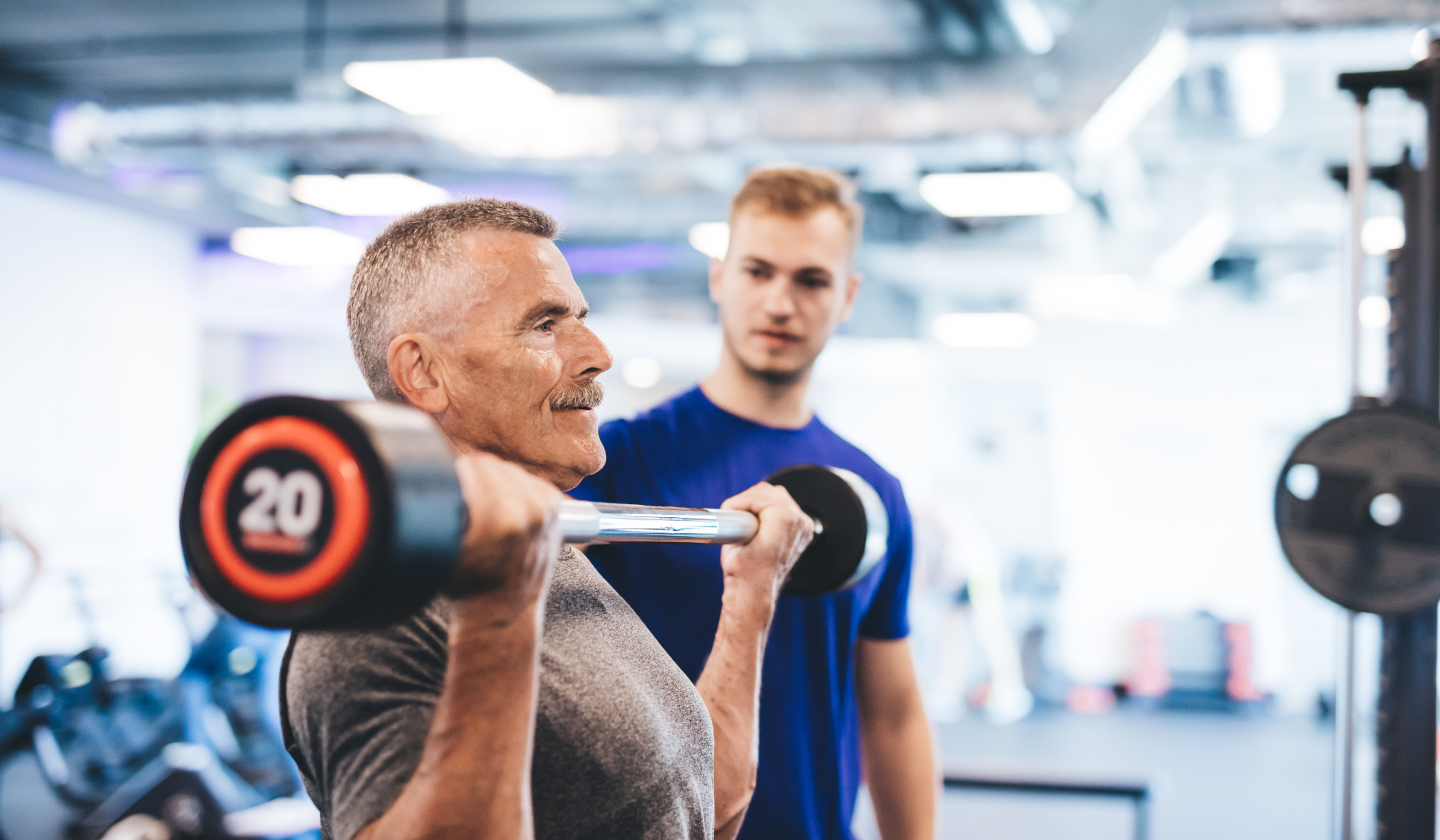
Aging is a natural part of life, but how we age is largely influenced by lifestyle choices—especially physical activity. Among the most effective and scientifically supported methods for healthy aging is resistance training for seniors. When designed and coached correctly, resistance training improves strength, mobility, balance, and overall quality of life for older adults.
As the global population continues to age, the demand for qualified fitness professionals who specialize in senior fitness is growing rapidly. This makes professional education, such as the Senior Fitness Certification | ASFA, essential for trainers who want to work safely and effectively with older adults.
Understanding the Aging Process and Physical Decline
As adults age, the body undergoes several physiological changes, including:
- Loss of muscle mass (sarcopenia)
- Decrease in bone density (osteopenia and osteoporosis)
- Reduced joint mobility
- Slower reaction time and balance
- Decline in metabolic rate
Without regular physical activity, these changes can lead to loss of independence, increased fall risk, and chronic health conditions. Resistance training plays a key role in slowing, stopping, and even reversing many of these effects.
Why Resistance Training Is Essential for Seniors
Resistance training involves exercises that cause muscles to work against an external force, such as body weight, resistance bands, dumbbells, or machines. For seniors, this type of training is not about heavy lifting—it is about functional strength and long-term independence.
Key Benefits of Resistance Training for Older Adults
- Improves muscle strength and endurance
- Enhances bone density and joint health
- Supports balance and coordination
- Reduces risk of falls and fractures
- Improves posture and mobility
- Boosts confidence and mental health
- Supports healthy blood sugar and metabolism
When seniors are strong, they are more capable of performing daily activities such as climbing stairs, carrying groceries, and getting up from a chair.
Breaking the Myth: Resistance Training Is Safe for Seniors
One of the most common misconceptions is that resistance training is unsafe for older adults. In reality, research consistently shows that properly designed resistance training programs are not only safe but highly beneficial for seniors.
Safety depends on:
- Proper exercise selection
- Appropriate intensity and volume
- Correct technique and posture
- Qualified supervision
This is why working with certified professionals trained in senior fitness is so important.
Principles of Effective Resistance Training for Seniors
1. Individualized Program Design
No two seniors are the same. Programs must consider:
- Medical history
- Joint limitations
- Mobility level
- Fitness experience
- Balance and coordination
A personalized approach ensures safety and effectiveness.
2. Focus on Functional Movements
Resistance training for seniors should mimic real-life activities, such as:
- Squats (standing up from a chair)
- Step-ups (climbing stairs)
- Push and pull movements (opening doors, carrying objects)
Functional training improves independence and daily performance.
3. Proper Intensity and Progression
Seniors should start with light resistance and gradually progress. The goal is:
- Controlled movements
- Moderate effort
- Pain-free execution
Progression may include increasing repetitions, resistance, or time under tension—never rushing the process.
Common Resistance Training Tools for Seniors
- Bodyweight exercises
- Resistance bands
- Light dumbbells
- Medicine balls
- Weight machines (with proper instruction)
These tools allow trainers to adjust resistance safely and effectively.
The Role of Balance and Stability in Senior Training
Resistance training also improves balance by strengthening stabilizing muscles. Exercises that challenge balance—while maintaining safety—help reduce fall risk, one of the leading causes of injury among older adults.
Examples include:
- Supported single-leg exercises
- Seated-to-standing movements
- Core stability training
Safety Considerations in Senior Resistance Training
Safety is the foundation of senior fitness programming. Key considerations include:
- Proper warm-up and cool-down
- Controlled range of motion
- Breathing techniques (avoiding breath holding)
- Monitoring fatigue and recovery
- Recognizing warning signs (dizziness, pain, shortness of breath)
Certified trainers are trained to identify risks and modify exercises accordingly.
Why Certification Matters in Senior Fitness Training
Working with older adults requires specialized knowledge that goes beyond general fitness training. A professional certification demonstrates competence in:
- Aging physiology
- Exercise modification
- Chronic condition awareness
- Injury prevention
- Communication and motivation strategies
The Senior Fitness Certification | ASFA equips fitness professionals with the tools and confidence needed to train seniors safely and effectively.
Career Opportunities in Senior Fitness
With the aging population expanding worldwide, senior fitness is one of the fastest-growing sectors in the fitness industry. Certified senior fitness professionals can work in:
- Gyms and fitness centers
- Retirement communities
- Assisted living facilities
- Rehabilitation centers
- Private training studios
- In-home and online coaching
Specializing in senior fitness opens doors to meaningful, stable, and rewarding career paths.
Mental and Emotional Benefits of Resistance Training for Seniors
Beyond physical health, resistance training offers significant psychological benefits, including:
- Improved self-esteem
- Reduced anxiety and depression
- Increased social interaction
- Greater sense of independence
Group resistance training programs also provide community and motivation, which are vital for long-term adherence.
Resistance Training and Chronic Disease Management
Proper resistance training can help manage or reduce the impact of:
- Arthritis
- Type 2 diabetes
- Cardiovascular disease
- Osteoporosis
- Chronic back pain
When supervised by trained professionals, resistance exercise becomes a powerful tool for healthy aging.
The Future of Senior Fitness
As longevity increases, the focus is shifting from simply living longer to living better. Resistance training will continue to be a cornerstone of senior health programs, and certified trainers will play a crucial role in shaping the future of active aging.
Professionals who invest in specialized education today will be well-positioned for long-term success in this growing field.
Conclusion
Aging well is not about avoiding activity—it is about choosing the right kind of activity. Resistance training empowers seniors to maintain strength, mobility, and independence throughout their later years. When delivered by educated and certified professionals, it becomes one of the most effective strategies for healthy aging.
The Senior Fitness Certification | ASFA provides fitness professionals with the expertise needed to design safe, effective, and empowering resistance training programs for older adults.
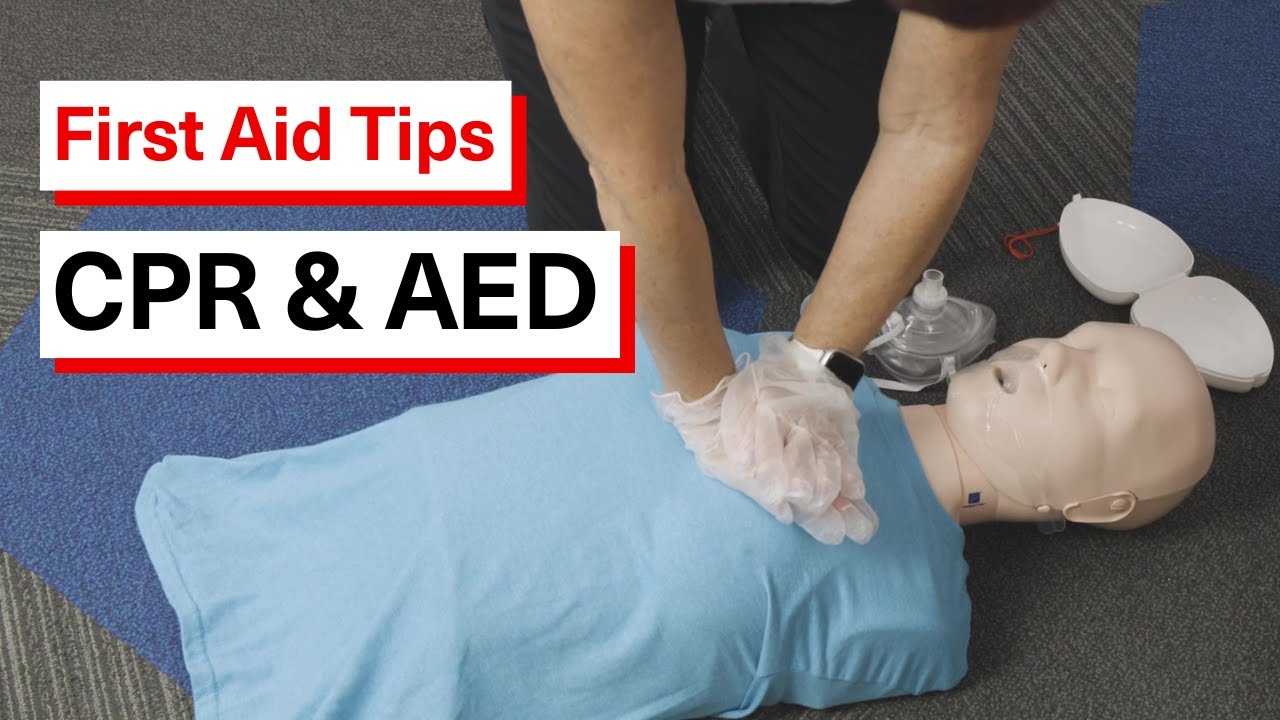
When a person’s heart stops or they stop breathing, every second matters. Quick action from someone nearby can decide if they survive. Many people think they need to be medical professionals to help in these moments, but that is not true. Anyone can learn simple skills that save lives. Understanding how to respond, even before emergency teams arrive, can make a powerful difference in an emergency. Choosing to learn CPR and AED gives you the confidence to act when a real crisis happens.
This guide explains why CPR and AED training is so important, what you will learn, and how these skills prepare you to help family, friends, coworkers, or even strangers.
Why Learning These Skills Matters
Cardiac arrest can happen anywhere. It can happen at home, at work, or in a public place. When it happens, the person is not breathing normally and their heart is not pumping blood. Without fast care, the brain and other vital organs start to fail.
Getting trained helps you:
- Stay calm during emergencies
- Know the correct steps to follow
- Use an AED safely
- Increase a person’s chance of survival
- Support others until medical teams arrive
When you decide to learn CPR and AED, you gain skills that stay with you for life and prepare you to step in with confidence.
Understanding What Happens in Cardiac Arrest
A cardiac arrest is not the same as a heart attack. During cardiac arrest, the heart suddenly stops working. This means the body does not get the oxygen it needs. Breathing stops or becomes unusual, and the person becomes unresponsive.
If no one takes action:
- The brain starts to suffer damage
- The person loses oxygen
- Survival becomes less likely with each passing minute
CPR helps keep blood moving, and an AED can restore a normal heart rhythm. This is why knowing these skills is so valuable. Your training helps fill the gap before professionals take over.
What CPR Helps You Do
CPR stands for cardiopulmonary resuscitation. It is a simple method that uses chest compressions to keep blood flowing. Even without breaths, chest compressions alone can extend the time a person has to survive.
CPR training teaches you:
- How to check for signs of life
- How to give safe and effective compressions
- How to use the correct hand position
- How to press at the right speed and depth
These steps can double or triple the chance of survival when done early. You do not need special equipment to begin CPR. Your hands are the most important tool you have.
What an AED Does and Why It Is Important
An AED is a small device that checks the heart’s rhythm. If the rhythm is dangerous, the device gives an electric shock that can help restart the heart. AEDs are designed so that anyone can use them, even without medical training.
AED training helps you learn:
- How to turn the device on
- Where to place the pads
- How to follow the voice prompts
- When to stand back for safety
During training, you also learn how CPR and AED support each other. CPR helps keep blood flowing while the AED prepares the heart for a possible restart. Together, they give the person the best chance to recover.
Skills You Will Learn During Training
CPR and AED certification covers more than just chest compressions. You learn a full set of skills designed to help during many different emergencies.
You will learn:
- How to check if the scene is safe
- How to call for help
- How to assess breathing
- When to begin compressions
- How to support someone until help arrives
You also learn to care for adults, children, and babies. Every age group needs slightly different steps, and training helps you understand these differences.
How Training Helps You Become More Confident
Emergencies can be scary, even for strong and calm people. Many bystanders freeze because they are unsure what to do. Proper training helps remove fear and confusion. When you practice the steps during training, your actions become natural.
By choosing to learn CPR and AED, you prepare yourself to:
- Make quick decisions
- Take safe and clear actions
- Stay focused under pressure
- Lead others during emergencies
Confidence can save lives. When you feel ready, you are more likely to help right away.
Who Should Take CPR and AED Training
These skills are helpful for everyone, not only people in certain careers. Anyone can face a situation where a loved one or community member collapses.
Training is especially helpful for:
- Parents and caregivers
- Teachers and school staff
- Coaches and sports leaders
- Workers in offices and public spaces
- Babysitters and nannies
- Lifeguards
- Construction and warehouse workers
- Fitness trainers
Many workplaces also require certification to keep employees safe. Even if it is not required for your job, it is a powerful skill to have.
How CPR and AED Training Saves Lives in Real Situations
Many survival stories come from everyday people who acted fast. Some were shopping. Some were at home. Some were driving. They stepped in because they had learned the steps and felt ready.
In most cases of cardiac arrest:
- A bystander begins CPR
- Someone brings an AED
- Emergency teams arrive soon after
Without that first step from a trained person, the outcome could be very different. This is why communities that encourage CPR training see better survival rates.
How to Keep Your Skills Fresh
Learning the steps once is not enough. Skills can fade over time, especially if you do not use them often. Most experts recommend renewing your certification every couple of years.
You can stay ready by:
- Reviewing your notes
- Watching short practice videos
- Taking refresher courses
- Practicing compressions on a manikin if available
Renewing your commitment to learn CPR and AED helps you stay ready to protect others anytime.
Conclusion
CPR and AED skills are simple, powerful, and life saving. Anyone can learn them, and everyone should. Emergencies can happen in any place and at any time. Having the ability to act quickly can change someone’s future in just a few moments. When you understand how to help, you bring strength and safety to your home, workplace, and community.