
Archives
A&TA: Where It Started and Where It’s Headed

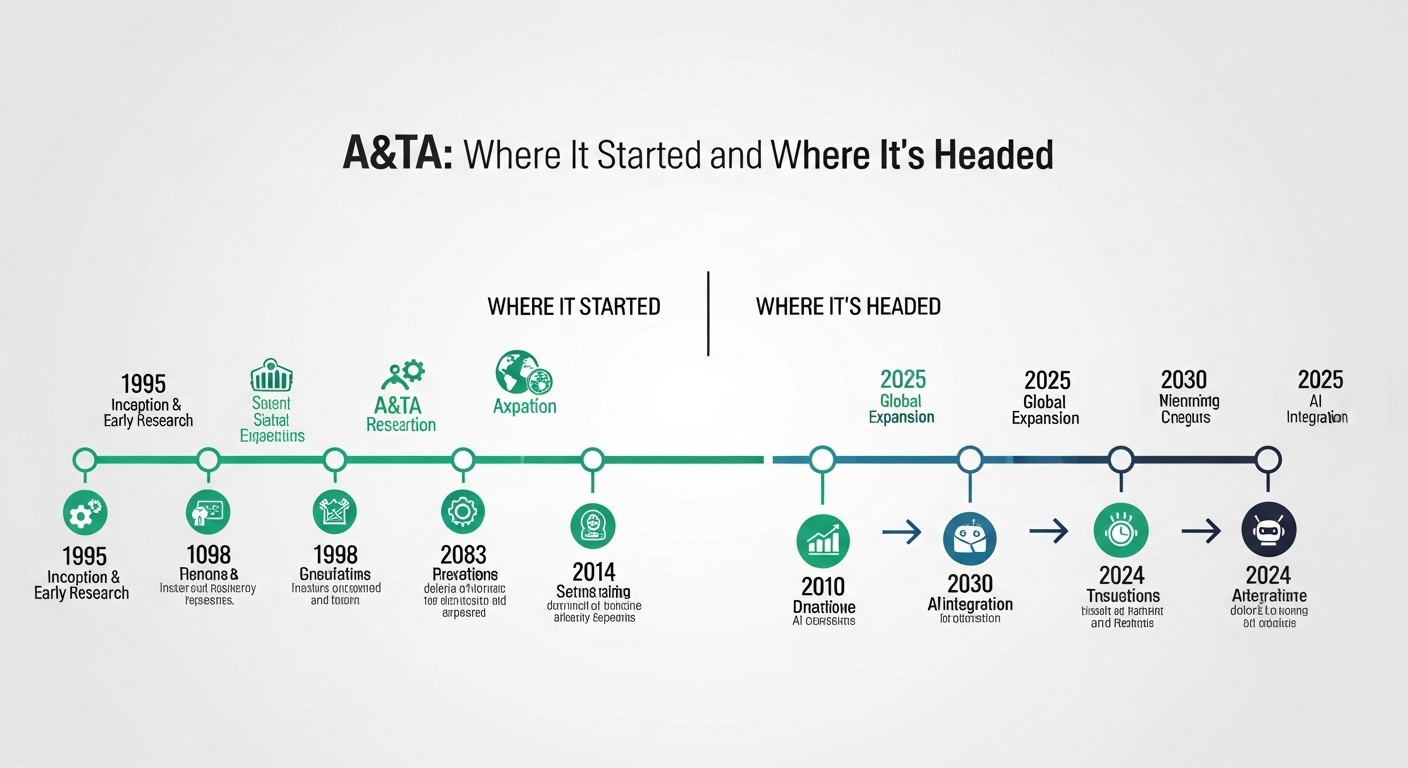
In today’s fast-paced business environment, organizations are constantly searching for innovative strategies to enhance efficiency and drive success. One such approach that has gained significant traction is A&TA. This methodology promises not only to streamline operations but also to foster a more engaged workforce. But what exactly is A&TA? And how did it evolve into the powerful tool it is today? Join us as we explore the origins, growth, benefits, and future trends of A&TA—unpacking its potential impact on workplaces around the globe. Get ready to discover how this dynamic framework can transform your organization!
What is A&TA?
A&TA stands for Assessment and Transformation Approach. It represents a strategic methodology that organizations use to evaluate their current processes and implement necessary changes.
At its core, A&TA focuses on understanding the strengths and weaknesses of an organization’s structure. By assessing these elements, companies can identify areas ripe for improvement.
This approach often involves gathering input from various stakeholders. Employees at all levels contribute insights that shape the transformation process.
The goal of A&TA is not just about making incremental adjustments; it’s about fostering a culture of continuous improvement. By embracing this mindset, organizations position themselves to adapt swiftly in an ever-evolving marketplace.
A&TA serves as a roadmap guiding businesses toward more efficient operations and enhanced employee satisfaction.
The History of A&TA
A&TA, or Analytics and Technology Adoption, has roots tracing back to the early days of data analysis. Initially focused on gathering insights from vast amounts of information, it began as a niche practice in academic circles.
As businesses recognized the value of data-driven decisions, A&TA gained traction. The rise of digital technologies further propelled its relevance. Companies sought ways to harness analytics for competitive advantage.
Throughout the 2000s, A&TA evolved rapidly. Organizations started integrating advanced tools and methodologies into their operations. This shift marked a pivotal moment; analytics turned from an optional strategy into a critical component for success.
With each passing year, A&TA adapted to emerging trends—big data, machine learning, and cloud computing became integral players in this journey. As more companies embraced these innovations, the landscape continued shifting towards greater sophistication in analyzing technology use within organizations.
Evolution and Growth of A&TA
A&TA has witnessed significant evolution since its inception. Initially focused on basic analytics, it quickly expanded to embrace advanced technologies. Organizations recognized the value of data in decision-making.
As industries developed, A&TA adapted by integrating artificial intelligence and machine learning. These tools enhanced predictive capabilities, allowing businesses to forecast trends with greater accuracy.
The growth of cloud computing also played a crucial role. It enabled easier access to vast datasets, empowering teams to collaborate effectively across borders. This shift transformed how organizations approached analytics.
Moreover, real-time data processing became essential for staying competitive. Companies began utilizing A&TA not just for reporting but for strategic planning as well.
Today, it’s about harnessing insights from varied sources—social media sentiment analysis being one example. The landscape continues to change rapidly as new technologies emerge and expectations evolve within the workplace environment.
Benefits of Implementing A&TA in Organizations
Implementing A&TA in organizations brings numerous advantages. First, it fosters a culture of transparency and collaboration. Team members feel empowered to share ideas and feedback, leading to more innovative solutions.
Increased efficiency is another significant benefit. By streamlining processes and reducing redundancies, organizations can save time and resources. Employees often find their workloads manageable, which boosts morale.
Additionally, A&TA enhances decision-making capabilities. Access to real-time data allows leaders to make informed choices quickly. This agility can be a game changer in fast-paced industries.
Moreover, companies that adopt A&TA see improved employee engagement levels. When individuals understand how their roles contribute to the larger goals of the organization, they are more motivated and committed.
Implementing A&TA promotes continuous learning within teams. Regular updates encourage employees to adapt and grow alongside evolving industry trends.
Challenges and Solutions for Adopting A&TA
Adopting A&TA presents certain challenges for organizations. One significant hurdle is the resistance to change among employees. People often feel comfortable with existing processes and may struggle to embrace new methods.
Training also plays a crucial role in this transition. Ensuring that staff are adequately trained in A&TA techniques requires time and resources, which can be daunting for management.
Another challenge lies in integrating A&TA into current systems. Compatibility issues may arise, causing disruptions during the implementation process.
To address these obstacles, clear communication is vital. Sharing the benefits of A&TA can motivate employees to engage with new practices willingly.
Providing ongoing support through workshops and one-on-one coaching helps ease concerns about adopting unfamiliar technologies or methodologies.
Involving key stakeholders early on fosters collaboration and reduces friction as teams work together toward a common goal.
Future Trends in A&TA
The future of A&TA is poised for transformative advancements. As technology continues to evolve, organizations will increasingly leverage artificial intelligence and machine learning. These tools can enhance data analysis, allowing businesses to make informed decisions faster than ever.
Remote work has become a staple in many industries. A&TA will adapt by integrating flexible frameworks that accommodate diverse team dynamics and locations. This shift promotes inclusivity while maintaining productivity.
Moreover, employee well-being is gaining traction as a priority in workplaces. Future trends in A&TA are likely to emphasize mental health initiatives alongside traditional performance metrics.
Sustainability is another focal point. Organizations will seek to incorporate environmental considerations into their A&TA strategies, aligning with global goals for reducing carbon footprints.
These evolving elements hint at an exciting trajectory for A&TA, promising innovations that could redefine workplace norms and drive substantial change across sectors.
Conclusion: The Impact and Potential of A&TA on the Workplace
The impact of A&TA on the workplace is profound and multifaceted. As organizations increasingly recognize the importance of adaptability and transparency, A&TA emerges as a vital framework for enhancing communication and collaboration.
A&TA fosters an environment where teams can thrive through open dialogue. This shift not only improves employee satisfaction but also boosts productivity by aligning organizational goals with individual aspirations.
Moreover, as technology continues to evolve, so will A&TA’s role in shaping workplace dynamics. The integration of advanced tools and analytics will further streamline processes, making it easier for teams to implement feedback loops and harness data-driven insights.
Embracing A&TA prepares organizations for future challenges. It cultivates resilience among employees while enabling enterprises to pivot quickly in response to market changes. With ongoing commitment from leadership, the potential benefits are limitless.
As we move forward into a rapidly changing world, the focus on A&TA promises significant advancements in how work gets done. Its principles could redefine success metrics within businesses across various sectors—creating workplaces that are not just productive but also more inclusive and engaging for everyone involved.

Free OnlyFans Working: A Practical Step‑by‑Step Guide
Understanding Free OnlyFans Working Basics
“Free OnlyFans working” refers to methods that let users view content on the OnlyFans platform without paying the creator’s subscription fee. The allure of free access is strong, but the reality involves a mix of legitimate promotional offers, trial periods, and third‑party tools that claim to bypass payment walls. Most of these solutions operate in a legal gray area, and their effectiveness can vary dramatically from one creator to another.
Before diving in, it’s essential to recognize that OnlyFans is a paid‑service ecosystem built to support creators. Any approach that claims to give permanent free access is likely either short‑lived, against the platform’s terms of service, or potentially risky for the user. Understanding the landscape helps you make informed decisions and avoid wasted time or security threats.
How Free OnlyFans Working Tools Actually Function
Most free‑access tools rely on either shared account credentials, promotional codes, or proxy services that temporarily mask a user’s location to exploit regional pricing differences. Some tools scrape publicly available preview images and compile them into a gallery, while others use browser extensions that auto‑fill login forms with credentials gathered from leaked databases.
Because OnlyFans continuously updates its authentication mechanisms, any tool that works today may stop working tomorrow. Developers often reverse‑engineer API calls, but when the platform patches those endpoints, the tool’s functionality breaks. This cat‑and‑mouse dynamic explains why many free onlyfans working solutions have short lifespans.
Common Use Cases and Who Might Benefit
Legitimate use cases include: creators offering limited‑time free trials, promotional collaborations between brands and influencers, and fans who want to preview content before committing to a subscription. In these scenarios, the “free” aspect is authorized by the creator, aligning with platform policies.
People seeking persistent, unrestricted access without paying typically fall outside the acceptable use policy. While the desire to explore content is understandable, it’s worth weighing the ethical implications and potential account bans that can arise from unapproved methods.
Step‑by‑Step Setup Guide
1. Identify Authorized Free Trials
- Visit the creator’s social media channels (Twitter, Instagram, TikTok) for announced trial links.
- Check the creator’s bio or pinned posts for “free access” coupon codes.
- Subscribe to newsletters that occasionally share limited‑time promotions.
These official routes are the safest way to experience content without cost. They usually require you to create a new OnlyFans account and may limit the number of free posts you can view.
2. Using a Third‑Party Proxy or Extension (With Caution)
- Research the tool’s reputation on independent forums and review sites.
- Download the extension from a trusted source—never from obscure file‑sharing sites.
- Install the extension, enable it, and follow the on‑screen instructions to “unlock” free content.
- After testing, immediately disable or uninstall the extension to reduce exposure.
Even with careful selection, this method carries security risks, such as data logging or malware. Always use a separate browser profile and consider a VPN for added privacy.
Pros, Cons, and Risks – Quick Comparison
| Method | Benefits | Drawbacks | Risk Level |
|---|---|---|---|
| Official Free Trials | Legitimate, no policy violation, full feature access during trial | Limited time, may require new email address | Low |
| Shared Credentials | Immediate access, often unlimited | Against terms of service, can lead to bans | High |
| Browser Extensions / Proxies | Convenient, works across many creators | Potential malware, data collection, instability | Medium to High |
Pricing, Monetization, and Legal Considerations
OnlyFans operates on a subscription model, typically ranging from $4.99 to $49.99 per month per creator. When a free trial is offered, it is usually limited to a set number of posts or a specific timeframe. If you decide to continue after the trial, you’ll be billed automatically unless you cancel before the renewal date.
From a legal perspective, using unapproved methods to obtain free content can constitute a breach of contract with the platform. While civil action is rare, repeated violations may lead to account termination or legal notices. For a comprehensive overview of the platform’s policies, visit the free onlyfans how to page.
Best Practices for Security and Reliability
Protecting your personal data should be a top priority. Use a unique email address and a strong, random password for any OnlyFans account you create, especially when experimenting with free trials. Enabling two‑factor authentication (2FA) adds an extra layer of protection against unauthorized access.
When evaluating third‑party tools, look for transparent privacy policies, regular updates, and active community support. Keep your operating system and browsers up to date, and consider running any suspicious software in a sandboxed environment.
Frequently Asked Questions
- Can I get unlimited free OnlyFans content? In most cases, no. Unlimited free access typically violates OnlyFans’ terms and can result in bans.
- Are free trial links safe? Yes, when they come directly from the creator’s official channels. Always verify the source before clicking.
- Do VPNs help with free onlyfans working? VPNs can mask your location for regional promotions, but they do not bypass subscription requirements.
- What should I do if my account gets flagged? Contact OnlyFans support, explain the situation, and be prepared to verify your identity.

Télécharger Xbet : Guide complet pour les joueurs français
Pourquoi choisir Xbet ?
Xbet se positionne comme une plateforme tout‑en‑un qui combine casino en ligne, paris sportifs et jeux live. Pour les joueurs français, le principal atout réside dans la disponibilité d’une interface française, des offres promotionnelles adaptées et une licence reconnue par les autorités de jeu européennes. De plus, le logiciel propose des cotes compétitives sur le sport et un catalogue de machines à sous dont le RTP moyen dépasse les 96 %.
En choisissant Xbet, vous bénéficiez aussi d’un support client disponible 24/7, d’une application mobile fluide et d’une sécurité renforcée grâce au cryptage SSL. Tout cela rend le processus de telecharger xbet plus rassurant pour les novices comme pour les joueurs confirmés.
Comment télécharger Xbet sur votre smartphone ?
L’application Xbet est disponible pour Android et iOS. La première étape consiste à se rendre sur le site officiel depuis le navigateur mobile. Un bandeau de téléchargement s’affiche automatiquement selon votre système d’exploitation. Cliquez sur le bouton “Télécharger l’appli” et suivez les instructions d’installation.
Sur Android, vous devrez autoriser l’installation d’applications provenant de sources inconnues (paramètre “Sources inconnues”). Une fois le fichier .apk téléchargé, ouvrez-le et validez l’installation. Sous iOS, le processus se fait directement via l’App Store, sans manipulation supplémentaire.
Compatibilité des appareils
- Android : version 6.0 ou supérieure, 2 Go de RAM minimum.
- iOS : iPhone 6s ou plus récent, iOS 12.0+.
- Tablettes : prise en charge complète, affichage adaptatif.
Où trouver le fichier d’installation
Le lien officiel de téléchargement se trouve toujours dans le pied de page du site Xbet ou dans la section “Application mobile”. Méfiez‑vous des sites tiers qui proposent des versions modifiées ; elles peuvent contenir des logiciels malveillants et vous faire perdre l’accès à votre compte.
Créer son compte Xbet après le téléchargement
Une fois l’application installée, ouvrez‑la et choisissez “S’inscrire”. Le formulaire demande les informations classiques : nom, prénom, adresse e‑mail, date de naissance et un mot de passe sécurisé. Vous pouvez également vous inscrire via votre compte Google ou Apple pour simplifier la procédure.
Après validation de l’e‑mail, Xbet vous invite à compléter le processus de vérification d’identité (KYC). Cette étape est obligatoire pour débloquer les retraits et se conforme aux exigences de la licence de jeu.
Processus d’inscription détaillé
- Remplir le formulaire d’inscription.
- Confirmer l’adresse e‑mail via le lien reçu.
- Uploader une pièce d’identité et un justificatif de domicile.
- Attendre la validation (généralement moins de 24 h).
Vérification d’identité (KYC)
Les documents acceptés sont le passeport, la carte d’identité nationale ou le permis de conduire, ainsi qu’une facture d’électricité ou de téléphone récente. Xbet utilise un système de vérification automatisé qui analyse les pièces en quelques minutes, mais le contrôle final peut prendre un peu plus longtemps en période de forte affluence.
Bonus de bienvenue et exigences de mise
Le premier dépôt bénéficie d’un bonus de 100 % jusqu’à 200 €, accompagné de 50 tours gratuits sur une machine à sous populaire. Ce “welcome bonus” est l’un des plus généreux du marché français, mais il est soumis à des exigences de mise (wagering requirements) de 30 x le montant du bonus.
Pour retirer les gains issus du bonus, il faut d’abord miser au moins 30 fois la somme du bonus. Les jeux comptent différemment : les slots remplissent 100 % du wagering, alors que les paris sportifs ne comptent que 10 %.
Détail du bonus
- Bonus de dépôt : 100 % jusqu’à 200 €.
- Tours gratuits : 50 tours sur “Starburst”.
- Exigence de mise : 30 x le montant du bonus.
- Validité : 30 jours après l’activation.
Méthodes de paiement acceptées
Xbet propose une palette de méthodes de paiement pour les dépôts et les retraits, adaptée aux préférences des joueurs français. Vous pouvez choisir entre cartes bancaires, portefeuilles électroniques et virements bancaires.
Les délais de traitement varient selon la méthode ; les dépôts sont instantanés, tandis que les retraits peuvent prendre de quelques minutes à 3 jours ouvrés.
| Méthode | Dépôt minimum | Retrait minimum | Vitesse de retrait |
|---|---|---|---|
| Visa / MasterCard | 10 € | 20 € | Instantané à 24 h |
| PayPal | 10 € | 20 € | Instantané |
| Skrill | 10 € | 20 € | 1 à 2 jours |
| Virement bancaire | 50 € | 50 € | 2 à 3 jours |
Retraits : vitesse et procédure
Pour demander un retrait, rendez‑vous dans la section “Caisse”, choisissez “Retrait” et indiquez le montant souhaité ainsi que la méthode de paiement. Xbet applique un contrôle de sécurité avant d’approuver la transaction, notamment la vérification du solde disponible et de l’état de la vérification KYC.
Les retraits par portefeuille électronique sont généralement finalisés en moins de 30 minutes, alors que les virements bancaires peuvent prendre jusqu’à 72 heures. Xbet ne facture pas de frais de retrait, ce qui est un avantage non négligeable pour les joueurs soucieux de maximiser leurs gains.
Sécurité, licence et jeu responsable
Le site Xbet détient une licence délivrée par la Malta Gaming Authority (MGA) et respecte les standards européens en matière de protection des joueurs. Tous les échanges de données sont chiffrés en SSL 256 bits, garantissant la confidentialité des informations personnelles et financières.
En matière de jeu responsable, Xbet propose des outils tels que le dépôt limité, le temps de jeu journalier et la possibilité de s’auto‑exclure. Un lien vers les organismes d’aide au jeu compulsif est également affiché en bas de page.
Expérience mobile et application
L’application Xbet offre une navigation fluide grâce à un design responsive qui s’adapte à toutes les tailles d’écran. Les sections casino, sportsbook et live sont accessibles en un clic, et le chargement des jeux se fait en moins de deux secondes grâce à la technologie HTML5.
Les notifications push vous informent des promotions en cours, des résultats sportifs en direct et des bonus personnalisés. Vous pouvez aussi activer le mode “dark” pour jouer confortablement de nuit.
Service client et assistance
Le support Xbet est disponible 24 h/24 et 7 j/7 via chat en direct, e‑mail et téléphone. Le temps de réponse moyen au chat est inférieur à une minute, et les agents parlent français couramment. Une FAQ détaillée couvre les questions les plus fréquentes sur le téléchargement, les dépôts et les retraits.
Pour les cas plus complexes, Xbet propose un formulaire de ticket avec suivi personnalisé. Les joueurs apprécient la transparence du service et la possibilité d’obtenir des réponses précises rapidement.
FAQ rapides sur le téléchargement de Xbet
- Q : L’application Xbet est‑elle gratuite ?
- R : Oui, le téléchargement et l’utilisation de l’application sont totalement gratuits. Vous ne payez que les dépôts que vous choisissez d’effectuer.
- Q : Puis‑je jouer depuis mon navigateur sans télécharger l’app ?
- R : Bien sûr, le site mobile de Xbet fonctionne parfaitement, mais l’application offre une expérience plus rapide et des notifications push.
- Q : Quels sont les pays où Xbet n’est pas disponible ?
- R : En plus de la France, Xbet ne propose pas de services dans les juridictions où le jeu en ligne est prohibé, comme la Suisse ou l’Italie sans licence locale.
En résumé, telecharger xbet est un processus simple qui s’accompagne d’une offre de bienvenue attractive, de multiples méthodes de paiement, et d’un niveau de sécurité conforme aux exigences françaises. Pour comparer avec d’autres plateformes, vous pouvez consulter 1xbet ortakları et voir quelles différences se démarquent.

Guide pratique de l’application 1xbet : installation, bonus et sécurité
Vous êtes intéressé·e par le pari en ligne depuis votre smartphone et vous avez entendu parler de l’application 1xbet ? Ce guide complet vous accompagne pas à pas, de la première installation jusqu’à la gestion de vos gains, en passant par les offres de bienvenue et les exigences de vérification. L’objectif est de répondre aux questions concrètes que se posent les joueurs français, tout en restant transparent sur les points forts et les éventuels pièges. Pour en savoir plus, visitez le site officiel via ce lien : 1xbet inde.
Installation de l’application 1xbet sur Android et iOS
L’application 1xbet se télécharge directement depuis le site officiel. Sur Android, le fichier APK est disponible après avoir activé l’option “Sources inconnues” dans les réglages. Sur iOS, il faut passer par le TestFlight ou le lien de téléchargement direct proposé par le casino, car l’App Store ne répertorie pas toujours les applications de jeu.
Une fois le fichier installé, l’ouverture se fait en quelques secondes et vous êtes immédiatement invité·e à créer votre compte ou à vous connecter. Pensez à vérifier que votre appareil possède la dernière mise à jour du système d’exploitation pour éviter les plantages et profiter des dernières fonctionnalités de sécurité.
Bonus de bienvenue via l’application 1xbet
L’un des atouts majeurs de l’application est le bonus de bienvenue dédié aux nouveaux inscrits. En général, le premier dépôt est doublé jusqu’à 100 €, accompagné d’un pari gratuit sur le sport. Les conditions de mise (wagering requirements) sont souvent fixées à 6 fois le montant du bonus, ce qui reste raisonnable comparé à la moyenne du marché.
Pour profiter de ce bonus, il suffit d’utiliser le code promotionnel indiqué dans la section “Offres” de l’application, puis de valider le dépôt via l’une des méthodes de paiement acceptées. Le bonus apparaît automatiquement dans votre solde bonus et peut être utilisé sur le casino live ou le sportsbook.
Méthodes de paiement et retraits sur l’application 1xbet
L’application accepte une variété de méthodes de dépôt, dont les cartes bancaires Visa/MasterCard, les portefeuilles électroniques (Skrill, Neteller) et les virements bancaires. Les dépôts sont généralement crédités instantanément, ce qui permet de commencer à jouer sans attendre.
Les retraits, en revanche, suivent des délais variables selon la méthode choisie. Les portefeuilles électroniques offrent les paiements les plus rapides, souvent en moins de 24 heures, tandis que les virements bancaires peuvent prendre jusqu’à 5 jours ouvrés. Voici un aperçu synthétique :
| Méthode | Délai de dépôt | Délai de retrait | Frais éventuels |
|---|---|---|---|
| Visa / MasterCard | Instantané | 2‑3 jours ouvrés | 0 % |
| Skrill / Neteller | Instantané | 24‑48 h | 0 % |
| Virement bancaire | 1‑2 h (via banque en ligne) | 3‑5 jours ouvrés | 0,5 % du montant |
Sécurité et vérification KYC sur l’application
La sécurité des comptes est assurée par un cryptage SSL de niveau bancaire et une authentification à deux facteurs (2FA) disponible dans les paramètres de l’application. Lors de la première mise à jour du profil, vous serez invité·e à soumettre des pièces d’identité (carte d’identité, passeport) ainsi qu’un justificatif de domicile pour satisfaire aux exigences KYC (Know Your Customer).
Ces documents sont vérifiés en moins de 24 heures. En cas de refus, le support vous indique précisément ce qui manque, afin que vous puissiez corriger le dossier rapidement. Cette procédure protège votre argent et garantit que le casino reste conforme aux réglementations françaises et européennes.
Expérience mobile : jeux en direct et paris sportifs
L’application 1xbet propose une interface fluide, optimisée pour les écrans de 5 à 7 pouces. Vous avez accès aux jeux de casino live (roulette, baccarat, poker) avec des croupiers réels, ainsi qu’à la totalité du sportsbook couvrant football, tennis, e‑sports et même les courses hippiques.
Les fonctionnalités mobiles incluent des notifications push pour les promotions, un filtre de recherche avancé pour les matchs en direct et la possibilité de placer des paris en mode “Quick Bet”. Le temps de chargement reste inférieur à deux secondes grâce à un cache local intelligent.
Support client et jeu responsable
Le service client est disponible 24/7 via chat en direct, email et téléphone. Les réponses sont généralement fournies en moins de 5 minutes, et le personnel parle français, anglais et plusieurs autres langues. Une FAQ exhaustive couvre les sujets les plus fréquents, du processus d’inscription aux questions de retrait.
En matière de jeu responsable, l’application intègre des outils de limitation de dépôt, de temps de jeu et d’auto‑exclusion. Vous pouvez activer ces paramètres directement depuis le menu “Mon compte”, ce qui vous aide à garder le contrôle sur votre activité de pari.
Comparatif rapide : 1xbet application vs concurrence
Pour vous aider à décider, voici un tableau comparatif entre l’application 1xbet et deux de ses principaux concurrents sur le marché français.
| Critère | 1xbet App | PariSportifX | CasinoElite |
|---|---|---|---|
| Bonus de bienvenue | 100 % jusqu’à 100 € + pari gratuit | 100 % jusqu’à 150 € | 150 % jusqu’à 200 € |
| Wagering requirements | 6x bonus | 8x bonus | 10x bonus |
| Délais de retrait | Instantané (e‑wallet) à 48 h (banque) | 2‑3 jours ouvrés | 3‑5 jours ouvrés |
| Licence | Curacao | Malta | UKGC |
| Support | Chat 24/7, email, téléphone | Email + formulaire | Chat business hours |
FAQ rapides sur l’application 1xbet
- Est‑ce que l’application 1xbet est légale en France ? Oui, elle opère sous licence de Curaçao et respecte les normes de protection des joueurs européennes, mais il faut vérifier la législation locale avant de jouer.
- Quel est le montant minimum de dépôt ? Le dépôt minimum est de 10 €, ce qui convient aux joueurs occasionnels comme aux gros parieurs.
- Peut‑on jouer en mode hors‑ligne ? Certaines sections du casino live nécessitent une connexion active, mais les jeux de machine à sous sont disponibles en cache et fonctionnent sans réseau pendant quelques minutes.
- Comment activer le 2FA ? Rendez‑vous dans “Paramètres → Sécurité”, choisissez “Authentification à deux facteurs” et suivez les instructions via Google Authenticator ou SMS.
En suivant ce guide, vous avez maintenant toutes les cartes en main pour télécharger, vérifier et profiter pleinement de l’application 1xbet. Que vous soyez amateur de paris sportifs ou passionné·e de casino live, la plateforme vous offre un environnement complet, sécurisé et riche en promotions. Bonne chance et jouez de façon responsable !