
Archives
Infector Viruses: Tips for Staying Safe and Healthy

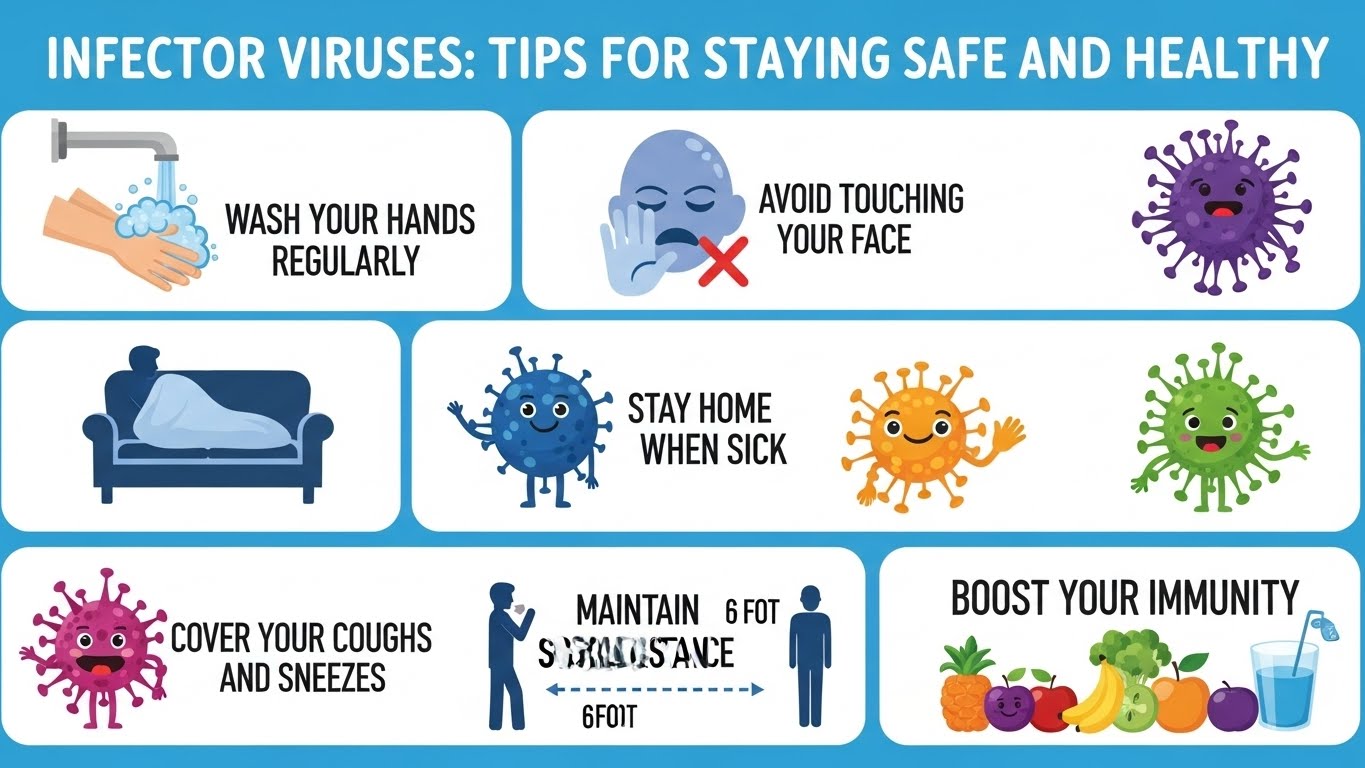
In today’s fast-paced world, staying healthy is more crucial than ever. One of the biggest threats to our well-being comes from infector viruses—tiny invaders that can wreak havoc on our bodies and communities. From the common cold to more severe infections, these viruses can spread quickly if we’re not careful. Understanding what they are and how they operate is essential for keeping ourselves safe. In this blog post, we’ll delve into the different types of infector viruses, explore their modes of transmission, and provide practical tips for prevention and protection. Stay tuned as we arm you with knowledge to navigate a world filled with these unseen dangers!
Common Types of Infector Viruses
Infector viruses come in various forms, each with unique characteristics. One of the most notorious categories is the influenza virus, known for causing seasonal flu outbreaks. This virus mutates frequently, making annual vaccinations crucial.
Another common type is the rhinovirus, which primarily leads to colds. It spreads easily in crowded places and during colder months when people tend to gather indoors.
HIV remains a significant global health threat. Unlike others, it attacks the immune system directly and can lead to AIDS if not managed properly.
Noroviruses are infamous for stomach bugs that cause gastroenteritis. These highly contagious viruses spread through contaminated food or surfaces.
Coronaviruses gained attention due to their role in diseases like COVID-19. With varying severity levels, they remind us of how swiftly an infector virus can change our daily lives.
How do Infector Viruses Spread?
Infector viruses can spread in several ways, making them particularly challenging to control. One common method is through direct contact with an infected person. Simple actions like shaking hands or hugging can facilitate this transmission.
Aerosol droplets are another means of spreading these viruses. When an infected individual coughs or sneezes, tiny droplets containing the virus can linger in the air and be inhaled by others nearby.
Touching contaminated surfaces is also a significant risk factor. Viruses can survive on doorknobs, keyboards, and other high-touch areas for hours, waiting for someone to make contact.
In some cases, infector viruses may even spread through vectors such as mosquitoes or ticks. These carriers transmit pathogens from one host to another without showing any signs themselves.
Awareness of these methods helps individuals take proactive steps in protecting their health against potential outbreaks.
Prevention and Protection against Infector Viruses
Maintaining good hygiene is your first line of defense against infector viruses. Regular handwashing with soap for at least 20 seconds can eliminate many harmful pathogens. If soap isn’t available, keep an alcohol-based sanitizer handy.
Avoid close contact with sick individuals whenever possible. If someone around you shows symptoms like coughing or sneezing, take a step back and encourage them to cover their mouth and nose.
Vaccination offers another layer of protection. Stay updated on vaccines recommended for your age group and lifestyle. This proactive approach significantly reduces the risk of severe illness.
Ensure that your living environment is clean and well-ventilated. Disinfect commonly touched surfaces regularly, especially in shared spaces.
Practicing healthy habits like balanced nutrition and regular exercise strengthens your immune system, making it more resilient against potential infections.
Steps to Take if You Have Been Exposed to an Infector Virus
If you suspect you’ve been exposed to an infector virus, acting quickly is crucial. Start by monitoring your health closely. Look out for common symptoms like fever, cough, or fatigue.
Next, isolate yourself from others. This helps prevent further spread of the virus and protects those around you. Inform anyone who may have come into contact with you so they can take necessary precautions as well.
Contact a healthcare professional for guidance tailored to your situation. They may recommend testing or provide advice on symptom management.
Keep track of any changes in your condition and maintain good hydration and nutrition during this time. If symptoms worsen or new ones develop, seek medical attention immediately.
Stay informed about public health recommendations regarding the specific infector virus involved to ensure you’re following the best practices for safety and recovery.
Treatment for Infector Virus Infections
Treatment options for infector virus infections vary based on the specific virus and severity of symptoms. Antiviral medications can be effective against certain viruses, helping to reduce the duration and intensity of illness.
In some cases, supportive care is essential. This includes hydration and rest. Over-the-counter pain relievers may provide relief from fever or discomfort.
For more severe infections, hospitalization might be necessary. Medical professionals can monitor vital signs and provide advanced treatment as needed.
Preventive measures are crucial as well. Vaccines exist for several viral infections, offering a pathway to immunity before exposure occurs.
It’s always best to consult with a healthcare provider if you suspect an infection or have been exposed to someone infected with an infector virus. Early intervention can make all the difference in recovery outcomes.
Conclusion: Staying Safe and Healthy in a World of Infector Viruses
Staying safe and healthy in a world filled with infector viruses requires vigilance and proactive measures. Awareness of the types of viruses that exist can empower you to protect yourself better. Understanding how these viruses spread is crucial for minimizing risk.
Prevention is your best ally. Regular handwashing, maintaining good hygiene, and avoiding close contact with infected individuals can help shield you from potential threats. Vaccination plays an essential role in protecting against specific viral infections as well.
If exposure does occur, knowing the appropriate steps to take can make all the difference. Seeking medical advice promptly ensures that any necessary treatments are initiated without delay.
Managing health proactively is not just about reacting to illness but also implementing strategies that promote overall wellness. By integrating these practices into daily life, you contribute significantly to both personal health and community safety against infector viruses.

Free OnlyFans Working: A Practical Step‑by‑Step Guide
Understanding Free OnlyFans Working Basics
“Free OnlyFans working” refers to methods that let users view content on the OnlyFans platform without paying the creator’s subscription fee. The allure of free access is strong, but the reality involves a mix of legitimate promotional offers, trial periods, and third‑party tools that claim to bypass payment walls. Most of these solutions operate in a legal gray area, and their effectiveness can vary dramatically from one creator to another.
Before diving in, it’s essential to recognize that OnlyFans is a paid‑service ecosystem built to support creators. Any approach that claims to give permanent free access is likely either short‑lived, against the platform’s terms of service, or potentially risky for the user. Understanding the landscape helps you make informed decisions and avoid wasted time or security threats.
How Free OnlyFans Working Tools Actually Function
Most free‑access tools rely on either shared account credentials, promotional codes, or proxy services that temporarily mask a user’s location to exploit regional pricing differences. Some tools scrape publicly available preview images and compile them into a gallery, while others use browser extensions that auto‑fill login forms with credentials gathered from leaked databases.
Because OnlyFans continuously updates its authentication mechanisms, any tool that works today may stop working tomorrow. Developers often reverse‑engineer API calls, but when the platform patches those endpoints, the tool’s functionality breaks. This cat‑and‑mouse dynamic explains why many free onlyfans working solutions have short lifespans.
Common Use Cases and Who Might Benefit
Legitimate use cases include: creators offering limited‑time free trials, promotional collaborations between brands and influencers, and fans who want to preview content before committing to a subscription. In these scenarios, the “free” aspect is authorized by the creator, aligning with platform policies.
People seeking persistent, unrestricted access without paying typically fall outside the acceptable use policy. While the desire to explore content is understandable, it’s worth weighing the ethical implications and potential account bans that can arise from unapproved methods.
Step‑by‑Step Setup Guide
1. Identify Authorized Free Trials
- Visit the creator’s social media channels (Twitter, Instagram, TikTok) for announced trial links.
- Check the creator’s bio or pinned posts for “free access” coupon codes.
- Subscribe to newsletters that occasionally share limited‑time promotions.
These official routes are the safest way to experience content without cost. They usually require you to create a new OnlyFans account and may limit the number of free posts you can view.
2. Using a Third‑Party Proxy or Extension (With Caution)
- Research the tool’s reputation on independent forums and review sites.
- Download the extension from a trusted source—never from obscure file‑sharing sites.
- Install the extension, enable it, and follow the on‑screen instructions to “unlock” free content.
- After testing, immediately disable or uninstall the extension to reduce exposure.
Even with careful selection, this method carries security risks, such as data logging or malware. Always use a separate browser profile and consider a VPN for added privacy.
Pros, Cons, and Risks – Quick Comparison
| Method | Benefits | Drawbacks | Risk Level |
|---|---|---|---|
| Official Free Trials | Legitimate, no policy violation, full feature access during trial | Limited time, may require new email address | Low |
| Shared Credentials | Immediate access, often unlimited | Against terms of service, can lead to bans | High |
| Browser Extensions / Proxies | Convenient, works across many creators | Potential malware, data collection, instability | Medium to High |
Pricing, Monetization, and Legal Considerations
OnlyFans operates on a subscription model, typically ranging from $4.99 to $49.99 per month per creator. When a free trial is offered, it is usually limited to a set number of posts or a specific timeframe. If you decide to continue after the trial, you’ll be billed automatically unless you cancel before the renewal date.
From a legal perspective, using unapproved methods to obtain free content can constitute a breach of contract with the platform. While civil action is rare, repeated violations may lead to account termination or legal notices. For a comprehensive overview of the platform’s policies, visit the free onlyfans how to page.
Best Practices for Security and Reliability
Protecting your personal data should be a top priority. Use a unique email address and a strong, random password for any OnlyFans account you create, especially when experimenting with free trials. Enabling two‑factor authentication (2FA) adds an extra layer of protection against unauthorized access.
When evaluating third‑party tools, look for transparent privacy policies, regular updates, and active community support. Keep your operating system and browsers up to date, and consider running any suspicious software in a sandboxed environment.
Frequently Asked Questions
- Can I get unlimited free OnlyFans content? In most cases, no. Unlimited free access typically violates OnlyFans’ terms and can result in bans.
- Are free trial links safe? Yes, when they come directly from the creator’s official channels. Always verify the source before clicking.
- Do VPNs help with free onlyfans working? VPNs can mask your location for regional promotions, but they do not bypass subscription requirements.
- What should I do if my account gets flagged? Contact OnlyFans support, explain the situation, and be prepared to verify your identity.

Télécharger Xbet : Guide complet pour les joueurs français
Pourquoi choisir Xbet ?
Xbet se positionne comme une plateforme tout‑en‑un qui combine casino en ligne, paris sportifs et jeux live. Pour les joueurs français, le principal atout réside dans la disponibilité d’une interface française, des offres promotionnelles adaptées et une licence reconnue par les autorités de jeu européennes. De plus, le logiciel propose des cotes compétitives sur le sport et un catalogue de machines à sous dont le RTP moyen dépasse les 96 %.
En choisissant Xbet, vous bénéficiez aussi d’un support client disponible 24/7, d’une application mobile fluide et d’une sécurité renforcée grâce au cryptage SSL. Tout cela rend le processus de telecharger xbet plus rassurant pour les novices comme pour les joueurs confirmés.
Comment télécharger Xbet sur votre smartphone ?
L’application Xbet est disponible pour Android et iOS. La première étape consiste à se rendre sur le site officiel depuis le navigateur mobile. Un bandeau de téléchargement s’affiche automatiquement selon votre système d’exploitation. Cliquez sur le bouton “Télécharger l’appli” et suivez les instructions d’installation.
Sur Android, vous devrez autoriser l’installation d’applications provenant de sources inconnues (paramètre “Sources inconnues”). Une fois le fichier .apk téléchargé, ouvrez-le et validez l’installation. Sous iOS, le processus se fait directement via l’App Store, sans manipulation supplémentaire.
Compatibilité des appareils
- Android : version 6.0 ou supérieure, 2 Go de RAM minimum.
- iOS : iPhone 6s ou plus récent, iOS 12.0+.
- Tablettes : prise en charge complète, affichage adaptatif.
Où trouver le fichier d’installation
Le lien officiel de téléchargement se trouve toujours dans le pied de page du site Xbet ou dans la section “Application mobile”. Méfiez‑vous des sites tiers qui proposent des versions modifiées ; elles peuvent contenir des logiciels malveillants et vous faire perdre l’accès à votre compte.
Créer son compte Xbet après le téléchargement
Une fois l’application installée, ouvrez‑la et choisissez “S’inscrire”. Le formulaire demande les informations classiques : nom, prénom, adresse e‑mail, date de naissance et un mot de passe sécurisé. Vous pouvez également vous inscrire via votre compte Google ou Apple pour simplifier la procédure.
Après validation de l’e‑mail, Xbet vous invite à compléter le processus de vérification d’identité (KYC). Cette étape est obligatoire pour débloquer les retraits et se conforme aux exigences de la licence de jeu.
Processus d’inscription détaillé
- Remplir le formulaire d’inscription.
- Confirmer l’adresse e‑mail via le lien reçu.
- Uploader une pièce d’identité et un justificatif de domicile.
- Attendre la validation (généralement moins de 24 h).
Vérification d’identité (KYC)
Les documents acceptés sont le passeport, la carte d’identité nationale ou le permis de conduire, ainsi qu’une facture d’électricité ou de téléphone récente. Xbet utilise un système de vérification automatisé qui analyse les pièces en quelques minutes, mais le contrôle final peut prendre un peu plus longtemps en période de forte affluence.
Bonus de bienvenue et exigences de mise
Le premier dépôt bénéficie d’un bonus de 100 % jusqu’à 200 €, accompagné de 50 tours gratuits sur une machine à sous populaire. Ce “welcome bonus” est l’un des plus généreux du marché français, mais il est soumis à des exigences de mise (wagering requirements) de 30 x le montant du bonus.
Pour retirer les gains issus du bonus, il faut d’abord miser au moins 30 fois la somme du bonus. Les jeux comptent différemment : les slots remplissent 100 % du wagering, alors que les paris sportifs ne comptent que 10 %.
Détail du bonus
- Bonus de dépôt : 100 % jusqu’à 200 €.
- Tours gratuits : 50 tours sur “Starburst”.
- Exigence de mise : 30 x le montant du bonus.
- Validité : 30 jours après l’activation.
Méthodes de paiement acceptées
Xbet propose une palette de méthodes de paiement pour les dépôts et les retraits, adaptée aux préférences des joueurs français. Vous pouvez choisir entre cartes bancaires, portefeuilles électroniques et virements bancaires.
Les délais de traitement varient selon la méthode ; les dépôts sont instantanés, tandis que les retraits peuvent prendre de quelques minutes à 3 jours ouvrés.
| Méthode | Dépôt minimum | Retrait minimum | Vitesse de retrait |
|---|---|---|---|
| Visa / MasterCard | 10 € | 20 € | Instantané à 24 h |
| PayPal | 10 € | 20 € | Instantané |
| Skrill | 10 € | 20 € | 1 à 2 jours |
| Virement bancaire | 50 € | 50 € | 2 à 3 jours |
Retraits : vitesse et procédure
Pour demander un retrait, rendez‑vous dans la section “Caisse”, choisissez “Retrait” et indiquez le montant souhaité ainsi que la méthode de paiement. Xbet applique un contrôle de sécurité avant d’approuver la transaction, notamment la vérification du solde disponible et de l’état de la vérification KYC.
Les retraits par portefeuille électronique sont généralement finalisés en moins de 30 minutes, alors que les virements bancaires peuvent prendre jusqu’à 72 heures. Xbet ne facture pas de frais de retrait, ce qui est un avantage non négligeable pour les joueurs soucieux de maximiser leurs gains.
Sécurité, licence et jeu responsable
Le site Xbet détient une licence délivrée par la Malta Gaming Authority (MGA) et respecte les standards européens en matière de protection des joueurs. Tous les échanges de données sont chiffrés en SSL 256 bits, garantissant la confidentialité des informations personnelles et financières.
En matière de jeu responsable, Xbet propose des outils tels que le dépôt limité, le temps de jeu journalier et la possibilité de s’auto‑exclure. Un lien vers les organismes d’aide au jeu compulsif est également affiché en bas de page.
Expérience mobile et application
L’application Xbet offre une navigation fluide grâce à un design responsive qui s’adapte à toutes les tailles d’écran. Les sections casino, sportsbook et live sont accessibles en un clic, et le chargement des jeux se fait en moins de deux secondes grâce à la technologie HTML5.
Les notifications push vous informent des promotions en cours, des résultats sportifs en direct et des bonus personnalisés. Vous pouvez aussi activer le mode “dark” pour jouer confortablement de nuit.
Service client et assistance
Le support Xbet est disponible 24 h/24 et 7 j/7 via chat en direct, e‑mail et téléphone. Le temps de réponse moyen au chat est inférieur à une minute, et les agents parlent français couramment. Une FAQ détaillée couvre les questions les plus fréquentes sur le téléchargement, les dépôts et les retraits.
Pour les cas plus complexes, Xbet propose un formulaire de ticket avec suivi personnalisé. Les joueurs apprécient la transparence du service et la possibilité d’obtenir des réponses précises rapidement.
FAQ rapides sur le téléchargement de Xbet
- Q : L’application Xbet est‑elle gratuite ?
- R : Oui, le téléchargement et l’utilisation de l’application sont totalement gratuits. Vous ne payez que les dépôts que vous choisissez d’effectuer.
- Q : Puis‑je jouer depuis mon navigateur sans télécharger l’app ?
- R : Bien sûr, le site mobile de Xbet fonctionne parfaitement, mais l’application offre une expérience plus rapide et des notifications push.
- Q : Quels sont les pays où Xbet n’est pas disponible ?
- R : En plus de la France, Xbet ne propose pas de services dans les juridictions où le jeu en ligne est prohibé, comme la Suisse ou l’Italie sans licence locale.
En résumé, telecharger xbet est un processus simple qui s’accompagne d’une offre de bienvenue attractive, de multiples méthodes de paiement, et d’un niveau de sécurité conforme aux exigences françaises. Pour comparer avec d’autres plateformes, vous pouvez consulter 1xbet ortakları et voir quelles différences se démarquent.

Guide pratique de l’application 1xbet : installation, bonus et sécurité
Vous êtes intéressé·e par le pari en ligne depuis votre smartphone et vous avez entendu parler de l’application 1xbet ? Ce guide complet vous accompagne pas à pas, de la première installation jusqu’à la gestion de vos gains, en passant par les offres de bienvenue et les exigences de vérification. L’objectif est de répondre aux questions concrètes que se posent les joueurs français, tout en restant transparent sur les points forts et les éventuels pièges. Pour en savoir plus, visitez le site officiel via ce lien : 1xbet inde.
Installation de l’application 1xbet sur Android et iOS
L’application 1xbet se télécharge directement depuis le site officiel. Sur Android, le fichier APK est disponible après avoir activé l’option “Sources inconnues” dans les réglages. Sur iOS, il faut passer par le TestFlight ou le lien de téléchargement direct proposé par le casino, car l’App Store ne répertorie pas toujours les applications de jeu.
Une fois le fichier installé, l’ouverture se fait en quelques secondes et vous êtes immédiatement invité·e à créer votre compte ou à vous connecter. Pensez à vérifier que votre appareil possède la dernière mise à jour du système d’exploitation pour éviter les plantages et profiter des dernières fonctionnalités de sécurité.
Bonus de bienvenue via l’application 1xbet
L’un des atouts majeurs de l’application est le bonus de bienvenue dédié aux nouveaux inscrits. En général, le premier dépôt est doublé jusqu’à 100 €, accompagné d’un pari gratuit sur le sport. Les conditions de mise (wagering requirements) sont souvent fixées à 6 fois le montant du bonus, ce qui reste raisonnable comparé à la moyenne du marché.
Pour profiter de ce bonus, il suffit d’utiliser le code promotionnel indiqué dans la section “Offres” de l’application, puis de valider le dépôt via l’une des méthodes de paiement acceptées. Le bonus apparaît automatiquement dans votre solde bonus et peut être utilisé sur le casino live ou le sportsbook.
Méthodes de paiement et retraits sur l’application 1xbet
L’application accepte une variété de méthodes de dépôt, dont les cartes bancaires Visa/MasterCard, les portefeuilles électroniques (Skrill, Neteller) et les virements bancaires. Les dépôts sont généralement crédités instantanément, ce qui permet de commencer à jouer sans attendre.
Les retraits, en revanche, suivent des délais variables selon la méthode choisie. Les portefeuilles électroniques offrent les paiements les plus rapides, souvent en moins de 24 heures, tandis que les virements bancaires peuvent prendre jusqu’à 5 jours ouvrés. Voici un aperçu synthétique :
| Méthode | Délai de dépôt | Délai de retrait | Frais éventuels |
|---|---|---|---|
| Visa / MasterCard | Instantané | 2‑3 jours ouvrés | 0 % |
| Skrill / Neteller | Instantané | 24‑48 h | 0 % |
| Virement bancaire | 1‑2 h (via banque en ligne) | 3‑5 jours ouvrés | 0,5 % du montant |
Sécurité et vérification KYC sur l’application
La sécurité des comptes est assurée par un cryptage SSL de niveau bancaire et une authentification à deux facteurs (2FA) disponible dans les paramètres de l’application. Lors de la première mise à jour du profil, vous serez invité·e à soumettre des pièces d’identité (carte d’identité, passeport) ainsi qu’un justificatif de domicile pour satisfaire aux exigences KYC (Know Your Customer).
Ces documents sont vérifiés en moins de 24 heures. En cas de refus, le support vous indique précisément ce qui manque, afin que vous puissiez corriger le dossier rapidement. Cette procédure protège votre argent et garantit que le casino reste conforme aux réglementations françaises et européennes.
Expérience mobile : jeux en direct et paris sportifs
L’application 1xbet propose une interface fluide, optimisée pour les écrans de 5 à 7 pouces. Vous avez accès aux jeux de casino live (roulette, baccarat, poker) avec des croupiers réels, ainsi qu’à la totalité du sportsbook couvrant football, tennis, e‑sports et même les courses hippiques.
Les fonctionnalités mobiles incluent des notifications push pour les promotions, un filtre de recherche avancé pour les matchs en direct et la possibilité de placer des paris en mode “Quick Bet”. Le temps de chargement reste inférieur à deux secondes grâce à un cache local intelligent.
Support client et jeu responsable
Le service client est disponible 24/7 via chat en direct, email et téléphone. Les réponses sont généralement fournies en moins de 5 minutes, et le personnel parle français, anglais et plusieurs autres langues. Une FAQ exhaustive couvre les sujets les plus fréquents, du processus d’inscription aux questions de retrait.
En matière de jeu responsable, l’application intègre des outils de limitation de dépôt, de temps de jeu et d’auto‑exclusion. Vous pouvez activer ces paramètres directement depuis le menu “Mon compte”, ce qui vous aide à garder le contrôle sur votre activité de pari.
Comparatif rapide : 1xbet application vs concurrence
Pour vous aider à décider, voici un tableau comparatif entre l’application 1xbet et deux de ses principaux concurrents sur le marché français.
| Critère | 1xbet App | PariSportifX | CasinoElite |
|---|---|---|---|
| Bonus de bienvenue | 100 % jusqu’à 100 € + pari gratuit | 100 % jusqu’à 150 € | 150 % jusqu’à 200 € |
| Wagering requirements | 6x bonus | 8x bonus | 10x bonus |
| Délais de retrait | Instantané (e‑wallet) à 48 h (banque) | 2‑3 jours ouvrés | 3‑5 jours ouvrés |
| Licence | Curacao | Malta | UKGC |
| Support | Chat 24/7, email, téléphone | Email + formulaire | Chat business hours |
FAQ rapides sur l’application 1xbet
- Est‑ce que l’application 1xbet est légale en France ? Oui, elle opère sous licence de Curaçao et respecte les normes de protection des joueurs européennes, mais il faut vérifier la législation locale avant de jouer.
- Quel est le montant minimum de dépôt ? Le dépôt minimum est de 10 €, ce qui convient aux joueurs occasionnels comme aux gros parieurs.
- Peut‑on jouer en mode hors‑ligne ? Certaines sections du casino live nécessitent une connexion active, mais les jeux de machine à sous sont disponibles en cache et fonctionnent sans réseau pendant quelques minutes.
- Comment activer le 2FA ? Rendez‑vous dans “Paramètres → Sécurité”, choisissez “Authentification à deux facteurs” et suivez les instructions via Google Authenticator ou SMS.
En suivant ce guide, vous avez maintenant toutes les cartes en main pour télécharger, vérifier et profiter pleinement de l’application 1xbet. Que vous soyez amateur de paris sportifs ou passionné·e de casino live, la plateforme vous offre un environnement complet, sécurisé et riche en promotions. Bonne chance et jouez de façon responsable !