
Archives
Cambodia: A Hidden Gem of Southeast Asia


Cambodia, a captivating country nestled in the heart of Southeast Asia, is a land of ancient temples, lush landscapes, and a resilient culture that continues to thrive. Known for its iconic Angkor Wat, Cambodia attracts travelers seeking both spiritual awe and authentic adventure. With its rich history, vibrant cities, and warm hospitality, Cambodia stands out as a destination that promises unforgettable experiences.
A Brief History of Cambodia
The history of Cambodia is both fascinating and complex. It was once the center of the powerful Khmer Empire, which ruled much of Southeast Asia from the 9th to 15th centuries. This golden era produced the awe-inspiring Angkor Wat temple complex — a symbol of national pride and religious devotion. However, Cambodia’s modern history has been marked by struggles, particularly during the Khmer Rouge regime in the 1970s. Today, the country has emerged with a resilient spirit and is rapidly growing as a cultural and economic hub.
Top Attractions in Cambodia
1. Angkor Wat and the Temples of Angkor
No visit to Cambodia is complete without exploring the ancient city of Angkor. Angkor Wat, the largest religious monument in the world, is an architectural marvel and a UNESCO World Heritage site. Surrounding it are other breathtaking temples like Bayon and Ta Prohm, where tree roots entwine with centuries-old stones. This region is the spiritual heart of Cambodia and a must-see for any traveler.
2. Phnom Penh: The Vibrant Capital
Phnom Penh, the capital of Cambodia, offers a blend of history and modernity. The Royal Palace, Silver Pagoda, and National Museum showcase the country’s cultural heritage. For a sobering experience, the Tuol Sleng Genocide Museum and the Killing Fields provide insight into Cambodia’s tragic past and the resilience of its people.
3. Siem Reap: Gateway to Angkor
Beyond Angkor Wat, Siem Reap has blossomed into a lively town with bustling night markets, art galleries, and traditional dance performances. It’s the perfect base for exploring nearby temples while enjoying modern comforts and cultural immersion.
4. Sihanoukville and Cambodia’s Coastline
Cambodia’s coastline, particularly the beaches of Sihanoukville and nearby islands like Koh Rong and Koh Rong Samloem, offers turquoise waters and white sands. These tropical getaways are ideal for snorkeling, diving, or simply relaxing under the sun.
The Culture and People of Cambodia
Cambodia is home to a warm and welcoming population. The Cambodian people, primarily of Khmer ethnicity, are known for their generosity and strong community ties. Buddhism plays a vital role in daily life, influencing the country’s festivals, art, and architecture.
Cambodian cuisine is another cultural highlight. From fish amok (a creamy curry steamed in banana leaves) to Khmer red curry and street food favorites like num pang (Cambodian sandwiches), the local flavors are both distinctive and delicious.
Sustainable Tourism and Travel Tips
As tourism in Cambodia grows, sustainable practices are becoming increasingly important. Visitors are encouraged to support ethical tourism by choosing locally owned accommodations, avoiding wildlife exploitation, and respecting local customs.
Travel Tips for Cambodia:
-
The official currency is the Cambodian Riel, though U.S. dollars are widely accepted.
-
The best time to visit is during the dry season, from November to March.
-
Always dress modestly when visiting temples and religious sites.
-
Learn a few basic Khmer phrases — locals appreciate the effort!
Economic Growth and Modern Development
While Cambodia is steeped in tradition, it is also experiencing rapid modernization. Urban development, infrastructure upgrades, and a growing tech industry are transforming the country. Despite economic challenges, Cambodia is attracting international investment and becoming more integrated into the global economy.
Tourism remains one of the key drivers of Cambodia’s economy, alongside agriculture and garment manufacturing. As the country continues to develop, responsible tourism can help ensure that growth benefits local communities.
Why Cambodia Should Be on Your Travel Bucket List
Cambodia is more than just ancient temples and scenic beaches — it’s a country of stories, resilience, and beauty. Whether you’re a history enthusiast, a foodie, a nature lover, or a spiritual seeker, Cambodia has something unique to offer.
From sunrise over Angkor Wat to exploring floating villages on the Tonlé Sap Lake, every experience in leaves a lasting impression. Its affordability, rich cultural tapestry, and friendly people make it an ideal destination for travelers looking to go beyond the ordinary.
Conclusion: Cambodia Awaits Your Journey
In conclusion, Cambodia is a destination that invites exploration, reflection, and connection. It’s a place where past and present intertwine, where you can walk in the footsteps of kings and share meals with smiling locals. Whether it’s your first trip to Southeast Asia or your fifth, Cambodia offers something new with every visit. Plan your journey today — Cambodia is ready to welcome you.
Welcome to CNLawBlog, your go-to source for the latest insights and developments in law and policy. In a world where legislation can shift overnight, staying informed is crucial for professionals, businesses, and everyday citizens alike. With each passing day, new trends emerge that influence how we navigate legal landscapes. Whether you’re a legal expert or simply curious about how laws impact your life, our blog will keep you updated on key issues shaping our society today.
Join us as we dive into critical topics like technology’s role in data privacy and explore case studies that illustrate how tech companies are adapting to these changes. We’ll also examine the government’s influence on lawmaking and discuss what it means for individuals and businesses moving forward. Get ready to enhance your understanding of current events with CNLawBlog—where knowledge meets relevance!
The Importance of Staying Updated on Law and Policy Trends
In today’s rapidly changing world, staying informed about law and policy trends is crucial. Laws evolve to address new challenges, especially in sectors like technology and health care.
For professionals, understanding these shifts can shape strategic decisions. Compliance is not just a legal obligation; it’s essential for maintaining credibility and trust with clients.
Individuals also benefit from being aware of their rights and responsibilities under current legislation. This knowledge empowers them to navigate complex systems more effectively.
Moreover, policymakers rely on public awareness to gauge the impact of laws. Engaged citizens contribute valuable perspectives that inform future regulations.
Keeping abreast of legal changes fosters a more transparent society where everyone understands the implications of new rules. Knowledge equips communities to advocate for necessary reforms while ensuring accountability from those in power.
Latest Trends in Law and Policy: Technology and Data Privacy
The intersection of technology and data privacy has become a hotbed for legal innovation. As digital footprints grow, so do the complexities surrounding personal information protection.
New regulations are emerging globally to address concerns over data misuse. The General Data Protection Regulation (GDPR) in Europe set a precedent that many countries now aspire to replicate. Compliance is no longer optional; it’s essential.
Tech companies are responding by developing robust privacy measures, often going beyond legal requirements. This proactive approach not only builds trust with consumers but also mitigates potential liabilities.
Emerging technologies like artificial intelligence present additional challenges and opportunities within this landscape. Legal frameworks must adapt quickly to keep pace with rapid advancements while ensuring individual rights remain protected.
The dialogue between lawmakers and tech innovators continues to evolve as society grapples with the implications of our increasingly interconnected world.
Case Studies: How Tech Companies are Adapting to Changing Laws and Regulations
Tech companies are in a constant state of flux as they navigate the evolving landscape of laws and regulations. Take, for instance, how major social media platforms have adjusted their data privacy policies to comply with GDPR. They’ve invested heavily in user consent features while enhancing transparency around data usage.
Similarly, ride-sharing services have adapted by lobbying for more favorable regulatory frameworks. By working closely with local governments, these companies strive to ensure compliance without losing market share.
Another example is fintech firms that have embraced blockchain technology to meet anti-money laundering requirements. This innovative approach not only ensures compliance but also enhances security and efficiency.
These case studies underscore the agility required in today’s tech environment. Companies that proactively adapt tend to thrive amid uncertainty while others may falter under pressure from new regulations.
The Role of Government in Shaping Law and Policy Trends
Government plays a pivotal role in shaping law and policy trends. Through legislation, it sets the framework within which businesses and individuals operate. These laws reflect societal values and address emerging issues.
Policy-making is not static; it’s dynamic, responding to changes in technology, public opinion, and global circumstances. Governments often collaborate with stakeholders to ensure that new regulations are effective yet practical.
In areas like data privacy or environmental protection, government actions can drive innovation while safeguarding citizens’ rights. This balance is crucial for fostering trust between the public and tech companies.
Moreover, international relations influence domestic policies as governments navigate treaties and agreements that impact local regulation. The interplay of these factors creates a complex landscape where adaptability is key for both lawmakers and those they govern.
Impact on Businesses and Individuals: Benefits and Challenges
The evolving landscape of law and policy significantly impacts both businesses and individuals. For companies, staying compliant with new regulations can lead to enhanced credibility and trust among consumers. This creates opportunities for growth and innovation.
However, adapting to these changes also presents challenges. The cost of compliance can strain resources, especially for small businesses. Navigating complex legal frameworks often requires expert guidance, which adds another layer of expense.
Individuals are not immune to these shifts either. Technology-driven laws can enhance privacy protections but may also limit personal freedoms in certain contexts. Understanding one’s rights becomes crucial in a rapidly changing environment.
For everyone involved, the key lies in balance—leveraging benefits while mitigating risks is essential as we navigate this dynamic realm together.
Future Predictions for Law and Policy Trends
As we look ahead, the landscape of law and policy is set to evolve dramatically. Emerging technologies will drive new regulations focused on artificial intelligence and blockchain. This shift could lead to more robust frameworks governing data protection.
Environmental law is another area ripe for transformation. With climate change at the forefront, expect stricter policies aimed at promoting sustainability. Governments may also implement incentives for businesses adopting green practices.
Public health laws are likely to see changes too, especially in light of global pandemics. Future legislation might emphasize preparedness and response strategies that prioritize community welfare.
Moreover, social justice movements will continue influencing policy decisions, pushing reforms around equity and access to legal resources. As a result, our legal system may become more inclusive over time, reflecting diverse societal needs as they arise.
Conclusion: Why CNLawBlog is Your Go
CNLawBlog stands as a vital resource for anyone interested in the evolving landscape of law and policy. With its focus on the latest trends, it offers valuable insights that help readers navigate complex legal waters. The blog is not just about staying informed; it’s about understanding how these changes impact real-world scenarios.
From technology and data privacy to government regulations, CNLawBlog covers it all with clarity and depth. Each article provides context around significant shifts in legislation and helps demystify intricate policies that affect individuals and businesses alike.
By regularly engaging with CNLawBlog, you gain access to expert analysis, case studies, and predictions that can guide your strategies moving forward. Whether you’re a legal professional or simply curious about your rights in an ever-changing world, this blog serves as a practical tool for enlightenment.
Stay ahead of the curve by making CNLawBlog part of your reading routine. It’s more than just information; it’s a connection to what shapes our society today and tomorrow.
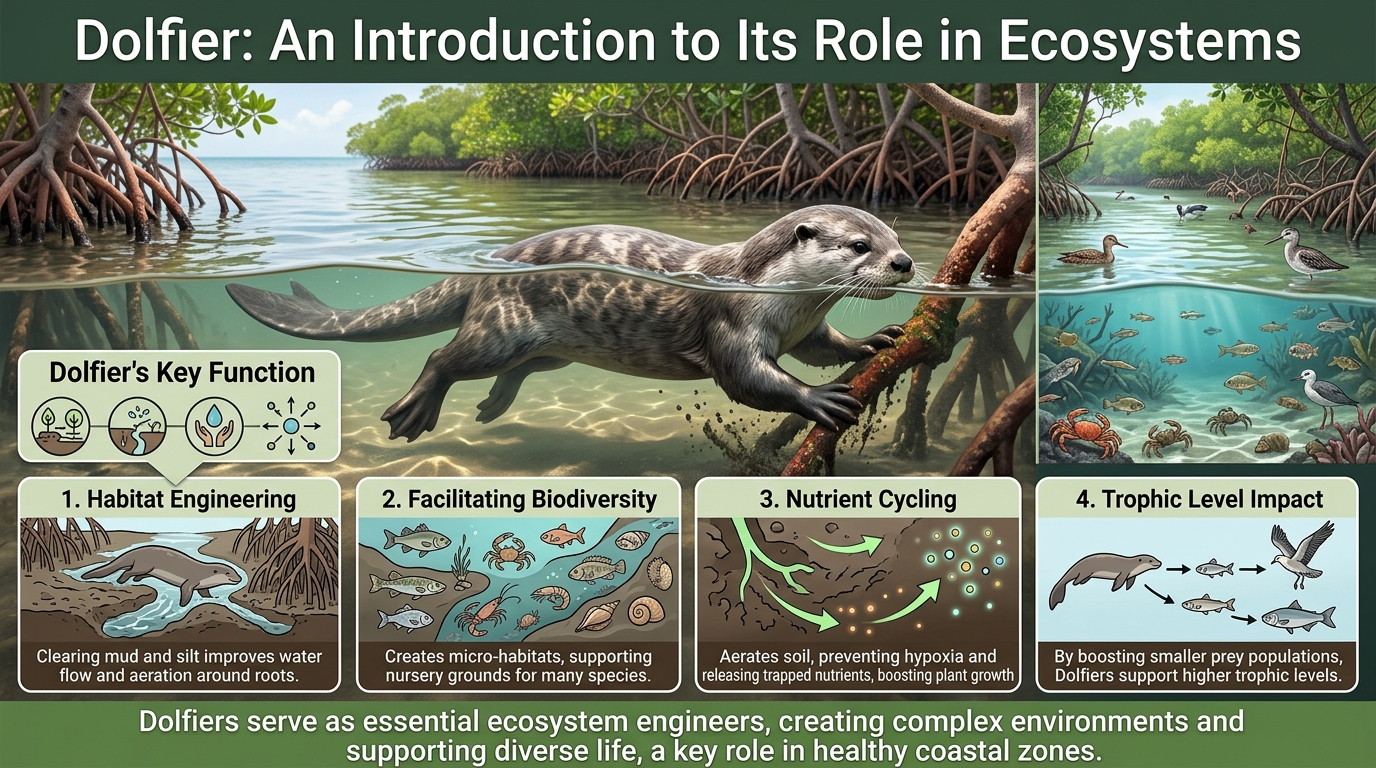
Imagine a world where ecosystems thrive in harmony. At the heart of this delicate balance lies an often-overlooked element: dolfier. While it might not be a household name, understanding its role is crucial for appreciating the intricate web of life around us. From sustaining plant growth to influencing animal populations and even affecting water quality, dolfier plays a vital part in maintaining environmental health. In this exploration, we’ll uncover what dolfier is and why it matters more than we realize. Let’s dive into how this fascinating component shapes our natural world!
Defining Dolfier and Its Importance
Dolfier is a dynamic component found in various ecosystems, often characterized by its unique biological and chemical properties. Though not widely recognized, it plays an essential role in maintaining ecological balance.
This element serves as a foundation for numerous interactions among organisms. It influences nutrient cycles and supports diverse habitats. Without dolfier, many species would struggle to thrive.
Its importance extends beyond plant life; dolfier impacts entire food webs. By facilitating energy transfer between producers and consumers, it ensures that ecosystems function smoothly.
Moreover, dolfier contributes to soil health. A rich substrate allows plants to flourish, which in turn supports animal populations reliant on those plants for sustenance. Understanding this intricate relationship highlights the significance of preserving dolfier within our environments.
The Role of Dolfier in Ecosystems
Dolfier plays a crucial role in maintaining the balance within ecosystems. Its presence influences various biological processes that support life.
As a fundamental component, Dolfier contributes to nutrient cycling. It helps break down organic matter, releasing essential nutrients back into the soil. This process ensures plants have access to vital resources necessary for growth and development.
Additionally, Dolfier fosters biodiversity by providing habitats for numerous organisms. Many species rely on Dolfier-rich environments for shelter and food sources, creating interconnected relationships among flora and fauna.
Furthermore, its interactions with other ecosystem components can enhance resilience against environmental changes. By supporting diverse plant communities, Dolfier strengthens ecosystems’ ability to adapt and thrive amid challenges such as climate change or habitat loss.
In essence, understanding the multifaceted role of Dolfier deepens our appreciation of nature’s intricate web of life.
How Dolfier Affects Plant Growth
Dolfier plays a crucial role in stimulating plant growth. It enhances soil fertility, providing essential nutrients that plants need to thrive. When dolfier is present, it boosts the microbial activity in the soil, creating a healthier environment for roots.
Moreover, it assists in moisture retention. This quality ensures that plants have access to water even during dry spells. With adequate hydration, growth rates can significantly increase.
Additionally, it interacts with various plant species differently. Some may benefit from increased nutrient uptake while others might see enhanced resilience against pests and diseases.
This dynamic relationship between it and vegetation fosters biodiversity within ecosystems. As diverse plant life flourishes, it contributes further to habitat stability and ecological balance.
Impact of Dolfier on Animal Populations
Dolfier plays a crucial role in shaping animal populations within its ecosystem. By influencing food availability, it directly affects the survival and reproduction of various species.
When Dolfier thrives, it supports diverse plant life. This abundance creates habitats for insects, birds, and mammals. More food sources lead to healthier animal communities.
In contrast, fluctuations in Dolfier can result in habitat loss or scarcity of resources. Animals may struggle to find adequate nutrition during these times. Such stress often leads to decreased population numbers.
Predator-prey dynamics are also influenced by Dolfier’s presence or decline. Changes in one species can ripple through the entire ecosystem, impacting others reliant on them for sustenance.
Understanding this connection enhances our knowledge of biodiversity and ecological balance—underscoring the importance of preserving Dolfier as part of our natural heritage.
The Connection Between Dolfier and Water Quality
Dolfier plays a crucial role in maintaining water quality within its habitat. This unique organism contributes to the filtration processes that help purify water sources. Through natural filtration, dolfier removes harmful substances and excess nutrients, making ecosystems healthier.
Moreover, it interacts with microorganisms in the water. These relationships can promote biodiversity while ensuring a balanced aquatic environment. Healthy populations of it enhance overall ecosystem resilience.
When it populations thrive, they indicate good water conditions for other species. Their presence often signals reduced pollution levels and better ecological balance. Conversely, declines in it may suggest deteriorating water quality due to human activities or environmental stressors.
This connection makes it essential to monitor and protect habitats where it lives. By doing so, we support not just this organism but also the entire aquatic ecosystem reliant on clean, healthy waters.
Human Activities that Affect Dolfier
Human activities significantly impact dolfier populations, often leading to detrimental effects on ecosystems. Urbanization is a primary culprit. As cities expand, natural habitats are destroyed or degraded.
Agricultural practices also play a role. Intensive farming can lead to soil erosion and nutrient depletion, negatively affecting the growth of dolfier.
Pollution adds another layer of concern. Chemicals from industrial run-off can contaminate water sources where dolfier thrive, disrupting their life cycles.
Climate change further complicates matters. Rising temperatures and altered precipitation patterns affect the delicate balance needed for optimal dolfier health.
Conservation efforts are essential in mitigating these impacts. By understanding how our actions influence this vital component of nature, we can work towards more sustainable practices that protect both dolfier and their ecosystems.
Ways to Protect and Preserve Dolfier
Protecting and preserving dolfier starts with awareness. Education about its ecological role is crucial. When communities understand the importance of dolfier, they are more likely to take action.
Reducing pollution in habitats where dolfier thrives can make a significant difference. Encouraging sustainable agricultural practices helps maintain soil health and water quality, which directly benefits this species.
Creating protected areas ensures that natural environments remain intact. These spaces allow for the flourishing of diverse ecosystems, including those reliant on dolfier.
Supporting local conservation initiatives strengthens efforts at grassroots levels. Volunteering or donating resources can aid organizations focused on protecting these vital ecosystems.
Advocating for responsible land use policies can help mitigate human impact on regions populated by dolfier. Engaging with lawmakers encourages better environmental regulations that prioritize biodiversity and ecosystem health.
Conclusion
Dolfier plays a crucial role in maintaining the balance of ecosystems. Its presence influences plant growth, supports diverse animal populations, and contributes to overall water quality. Human activities pose significant threats to dolfier, making it imperative that we recognize its importance and take action.
Protecting and preserving dolfier benefits not just the environment but also our health and well-being. By understanding its impact on ecosystems, we can make informed decisions that promote sustainability.
Engaging with nature responsibly ensures that future generations will experience the rich biodiversity supported by dolfier. Taking steps now can make a lasting difference for both wildlife and humans alike. The more we learn about this essential component of our ecosystem, the better prepared we’ll be to safeguard it for years to come.

In the vast digital landscape, URLs are your compass. They guide users to specific content and shape their online experience. But how often do we stop to think about URL management? Many businesses overlook this crucial aspect, and it can lead to a myriad of problems.
Imagine trying to navigate a maze without clear signs or direction—frustrating, right? Efficient URL management acts as that essential roadmap for both users and search engines alike. A well-structured URL not only enhances user experience but also plays a pivotal role in SEO.
So, what happens when you neglect your URLs? What common pitfalls should you avoid? And most importantly, how can effective URL management boost your business strategy? Let’s dive into these questions and explore why mastering the art of URLs is vital for success in today’s online world with our ultimate guide: URLwo.
What is a URL and why is it important to manage it?
A URL, or Uniform Resource Locator, is the web address that directs users to specific pages on the internet. Think of it as a digital street address. Each URL contains essential information that helps browsers locate and access content efficiently.
Managing your URLs effectively is crucial for several reasons. First, a clear and concise URL structure enhances user experience. It allows visitors to know where they’re heading before clicking.
Second, search engines rely heavily on URLs when indexing content. A well-optimized URL can improve your site’s visibility in search results. This means more traffic and potential conversions.
Consistent URL management aids in tracking performance metrics like clicks and bounce rates. Without proper oversight, you might lose valuable insights into how users interact with your website.
The consequences of not managing your URLs
Neglecting URL management can lead to a host of issues. Broken links often become the most visible consequence. A visitor clicks and finds dead ends instead of engaging content.
Search engines also take notice. Poorly managed URLs can harm your site’s ranking. If search bots encounter many errors, they may lower your credibility.
User experience suffers significantly as well. Confusing or inconsistent URLs frustrate visitors, leading them to leave your site swiftly. This bounce rate not only affects user engagement but could also deter potential customers from returning.
Analytics become distorted without proper tracking through manageable URLs. You might miss vital insights into customer behavior, making it difficult to strategize effectively.
Brand image takes a hit when users perceive disorganization on a website. Trust is crucial in digital interactions, and cluttered or broken links do nothing to foster that trust among visitors.
Common mistakes made when managing URLs
One common mistake in URL management is neglecting to use descriptive keywords. URLs should provide hints about the content they lead to. Generic links can confuse users and search engines alike.
Another frequent error involves changing URLs without proper redirects. Failing to set up 301 redirects can result in broken links, leading to a poor user experience and loss of traffic.
Some overlook the importance of keeping URLs short and simple. Long, complex URLs are hard for users to remember or share.
Additionally, inconsistencies across various platforms can create chaos. Using different formats or structures for similar pages may dilute your brand’s online presence.
Not regularly auditing existing URLs leads to missed opportunities for optimization. A consistent review process helps ensure all links remain functional and relevant as your site evolves.
The benefits of efficient URL management
Efficient URL management streamlines your online presence. A well-structured URL makes it easier for visitors to understand where they are on your site.
When URLs are clear and concise, users can navigate effortlessly. This leads to improved user experience and potentially higher conversion rates.
Search engines also favor organized URLs. Descriptive links enhance SEO performance, making it simpler for search engines to index your pages correctly.
Moreover, effective URL management aids in tracking analytics. You can monitor traffic patterns and identify which links drive the most engagement.
Another benefit is brand consistency. Uniformity in URLs reinforces brand identity across platforms, making them more recognizable to potential customers.
Good URL practices simplify maintenance tasks. When changes occur—like moving content or updating sites—having a managed structure minimizes confusion and errors during transitions.
Tools and techniques for effective URL management
When it comes to effective URL management, the right tools can make a significant difference. Consider using link shorteners for concise and memorable URLs. These not only save space but also allow for tracking clicks.
Content Management Systems (CMS) often come equipped with features that support URL customization. Opting for platforms like WordPress enables you to tailor your links effortlessly.
Another technique involves implementing redirects correctly. Whether it’s 301 or 302, understanding when to use them ensures users find what they’re looking for without frustration.
Utilizing analytics software is crucial too. Platforms like Google Analytics provide insight into which URLs drive traffic and engagement, helping refine your strategy over time.
Don’t underestimate the power of regular audits. Periodically reviewing your URL structure helps identify broken links and outdated content, keeping everything in tip-top shape while improving user experience on your site.
Integrating URL management into your business strategy
Integrating URL management into your business strategy can significantly enhance your online presence. It starts with understanding that every URL is a digital asset.
Consider how URLs contribute to user experience and search engine rankings. A well-structured URL not only attracts traffic but also improves navigation for visitors.
Make it a priority to create clear, concise, and meaningful URLs aligned with your content goals. Regular audits of existing links are essential too; this helps identify broken or outdated URLs that could harm user engagement.
Incorporate tools like URLwo into your workflow for streamlined management. These platforms offer analytics that reveal which links perform best, guiding future strategies.
Training team members on the importance of effective URL practices fosters consistency across all departments. This collaborative approach ensures everyone understands their role in maintaining a unified brand identity online.
Conclusion
URL management is more than a technical necessity; it’s a strategic asset. Understanding what URLs are and the importance of managing them can significantly boost your online presence. Neglecting this aspect might lead to broken links, poor user experience, and lost traffic.
Many businesses fall into common traps when handling their URLs. These mistakes often result in confusion for users and search engines alike. Learning from these errors is crucial for any organization aiming to enhance its digital strategy.
The benefits of efficient URL management extend far beyond mere aesthetics. Streamlined URLs improve SEO performance, enhance site navigation, and foster trust among users. With tools like URLwo at your disposal, you can simplify the process tremendously.
Integrating URL management practices into your business strategy will not only save time but also create opportunities for growth. A well-organized approach ensures that every link works effectively toward achieving your goals.
Embracing effective URL practices with solutions such as URLwo may be the key to unlocking new potential for success in today’s competitive digital landscape. Whether you’re a small business or an established brand, investing time in mastering this element could yield significant returns down the line.