
Archives
Tahini: Why This Nutty Paste Should Be in Your Pantry

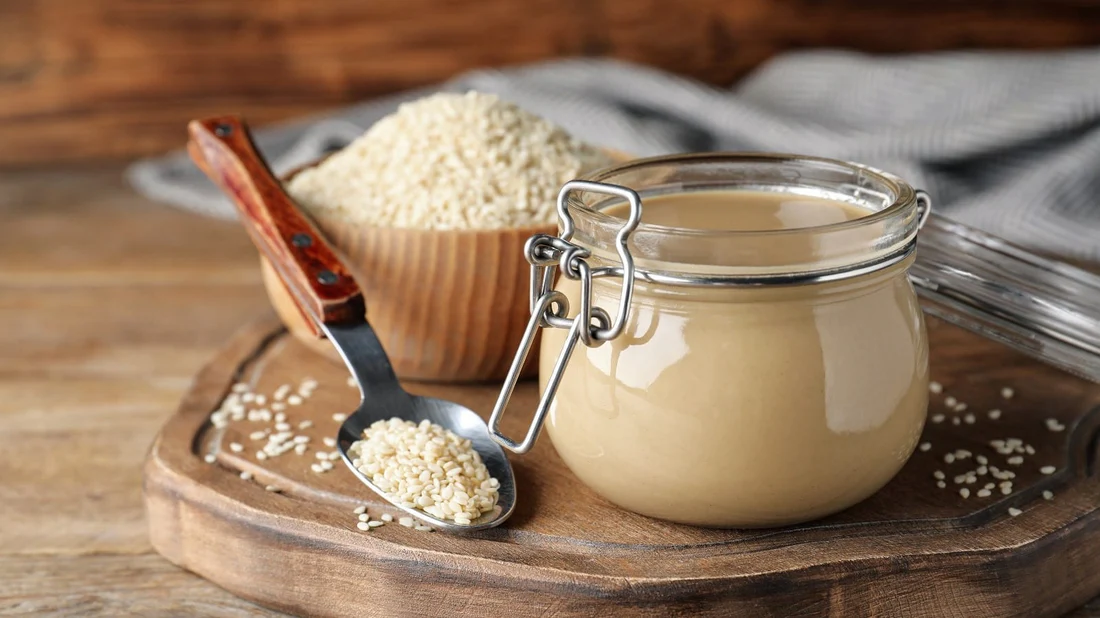
Tahini is more than just a creamy, nutty paste; it’s a culinary gem that deserves a spot in every kitchen pantry. If you’ve ever enjoyed hummus or drizzled sauce over your favorite dishes, chances are, you’ve already savored its rich flavor without even knowing it. This versatile ingredient is packed with nutrients and can elevate both sweet and savory recipes alike.
But what exactly is tahini? And how did this delightful paste make its way into kitchens around the world? Whether you’re looking to boost your meals with nutrition or simply want to explore new flavors, tahini might just become your new favorite staple. Let’s dive deeper into the history of tahini, its health benefits, and creative ways to incorporate it into your cooking routine. You’ll be inspired to grab a jar of this scrumptious spread by the end!
What is Tahini?
Tahini is a smooth, creamy paste made from ground sesame seeds. It’s a staple in Middle Eastern and Mediterranean cuisines, often hailed for its rich flavor and versatility.
The texture can range from runny to thick, depending on how it’s prepared. When you taste tahini, you’ll notice a nutty aroma that pairs beautifully with various ingredients.
Unlike peanut butter or almond butter, tahini offers a unique profile of nutrients. Packed with healthy fats, protein, and minerals like calcium and iron, it’s not just delicious but also nourishing.
You can find plain tahini or varieties infused with spices and flavors. Each offers an exciting twist to your dishes while adding that signature nuttiness that enhances both savory meals and sweet treats alike.
The History of Tahini
Tahini has a rich history that stretches back thousands of years. It is believed to have originated in the Middle East, with evidence found in ancient cookbooks and texts dating as far back as 3000 B.
C.
This nutty paste made from ground sesame seeds was cherished by various cultures, particularly in regions like Persia and the Mediterranean. Its versatility quickly made it a staple ingredient.
During the rise of trade routes, tahini spread across different civilizations. As people explored new flavors and cooking techniques, they incorporated this ingredient into their diets.
From savory dips to sweet desserts, tahini has been embraced globally. Today, it appears not only in traditional dishes like hummus but also in modern vegan recipes and health food stores.
The vibrant history of tahini reflects its enduring appeal—a simple yet profound connection between culture and cuisine over millennia.
The Health Benefits of Tahini
Tahini is packed with nutrients that offer numerous health benefits. Made from ground sesame seeds, it’s rich in healthy fats, particularly monounsaturated and polyunsaturated fats. These can help improve heart health by promoting good cholesterol levels.
This nutty paste also contains a wealth of vitamins and minerals. It’s an excellent source of calcium, magnesium, and iron—all essential for strong bones and muscle function. The presence of antioxidants aids in reducing inflammation throughout the body.
Moreover, tahini is high in protein compared to many other plant-based ingredients. This makes it a fantastic addition for vegetarians or anyone looking to boost their protein intake without meat.
With fiber content contributing to digestive health, tahini can support regularity while keeping you feeling fuller longer—perfect for those managing their weight or simply seeking balanced nutrition.
How to Use Tahini in Your Cooking
Tahini is incredibly versatile and can elevate a variety of dishes. Start by drizzling it over roasted vegetables for added creaminess and nutty flavor.
It also makes an excellent base for salad dressings. Just mix tahini with lemon juice, garlic, and water to create a silky dressing that enhances greens beautifully.
For those who enjoy dips, combine tahini with yogurt or chickpeas to craft delicious spreads like tzatziki or hummus.
You can even incorporate it into baked goods! Use tahini in cookies or brownies as an alternative fat source, introducing a unique taste profile.
Smoothies benefit from its rich texture; just add a spoonful for extra nutrition without overwhelming the flavor. Embrace this paste’s adaptability—experimenting will reveal countless culinary possibilities!
Recipes Using Tahini
Tahini is a versatile ingredient that can elevate many dishes. One simple way to enjoy it is by making tahini salad dressing. Just whisk together tahini, lemon juice, garlic, and water for a creamy drizzle over greens or roasted vegetables.
For something heartier, try tahini in your hummus. Blend chickpeas with tahini, olive oil, garlic, and cumin for a rich flavor that pairs perfectly with pita chips or fresh veggies.
If you’re feeling adventurous, use tahini in desserts! Swirl it into brownies or mix it into cookie dough for an unexpected nutty twist.
Smoothies also benefit from the addition of this paste. A spoonful adds creaminess along with a nutritional punch—perfect for breakfast on-the-go.
Don’t forget about marinades! Combine tahini with soy sauce and ginger for a delicious glaze on grilled meats or tofu. The possibilities are endless when cooking with this unique ingredient!
Where to Buy Tahini and How to Store It
Finding tahini is easier than you might think. Most grocery stores carry it in the international or health food aisle. Look for brands that use high-quality sesame seeds and minimal additives.
For a wider selection, consider specialty Middle Eastern markets. They often have fresh options with unique flavors, such as roasted or spiced varieties.
Online shopping also offers convenience. Websites like Amazon and health-focused retailers provide an array of choices delivered to your door.
Once you’ve got your tahini, proper storage is key to preserving its flavor and texture. Keep it in a cool, dark place like a pantry or cupboard if unopened. After opening, transfer it to the refrigerator to maintain freshness.
Always give it a good stir before using; oil separation can happen naturally over time. With these tips in mind, you’ll keep this nutty paste ready for all sorts of culinary adventures!
Conclusion: Incorporating Tahini into Your Diet for Flavor and Nutrition
Tahini is more than just a trendy ingredient; it’s a versatile and nutritious addition to your pantry. With its rich, nutty flavor and creamy texture, tahini can elevate dishes in countless ways. From dressings to dips and even desserts, the possibilities are endless.
Adding tahini to your meals not only enhances flavor but also contributes significant health benefits. Packed with healthy fats, vitamins, and minerals, it supports heart health and provides energy without compromising on taste.
Incorporating this delightful paste into your diet is easy. Whether you’re drizzling it over roasted vegetables or blending it into smoothies for extra creaminess, you’ll soon discover how essential tahini can be in everyday cooking.
So why wait? Embrace the nutty goodness of tahini today! Your taste buds—and your body—will thank you for making this delicious paste a staple in your kitchen.

Are you tired of scrolling through endless YouTube videos only to wish you could listen to your favorite content on the go? Imagine having all those catchy tunes, insightful podcasts, or motivational speeches right at your fingertips in MP3 format. Meet YTMP3, a user-friendly tool that transforms YouTube videos into audio files with just a few clicks. Whether you’re commuting, exercising, or simply relaxing at home, converting your favorite clips into MP3s can elevate your listening experience. Let’s dive into the world of YTMP3 and explore how it can enhance the way you consume content!
Benefits of Converting YouTube Videos to MP3 Audio Files
Converting YouTube videos to MP3 audio files opens up a world of convenience. Imagine enjoying your favorite content on the go, without needing to rely on an internet connection. This flexibility is perfect for road trips or workouts.
Audio files take up significantly less storage than video. By converting videos, you can save space on your devices while keeping all your favorite tunes and podcasts within reach.
Another benefit lies in multitasking. With audio-only formats, you can listen while doing other activities—like cooking or cleaning—maximizing productivity.
Moreover, many YouTube videos feature great music tracks that may not be available elsewhere. Transforming these into MP3s allows easy access to unique sounds and mixes that enhance your playlists.
It’s a cost-effective way to build a personalized library filled with diverse audio experiences from various creators across platforms.
Step-by-Step Guide on Using YTMP3
Using YTMP3 is straightforward. Start by opening your web browser and navigating to the YTMP3 website.
Next, find the YouTube video you wish to convert. Click on the share button beneath the video and copy its link.
Return to YTMP3. In the designated box, paste your copied URL.
Now, select your preferred audio quality from options provided. Typically, higher quality equals a larger file size.
Click on the “Convert” button and wait for a moment while your conversion processes.
Once it’s ready, a download link will appear. Just click on it to save your MP3 file directly to your device. Enjoy listening!
Other Features and Functions of YTMP3
YTMP3 isn’t just about converting videos to MP3 audio files. It offers a streamlined interface that makes the process user-friendly and efficient. Users can quickly paste the YouTube link into the converter, ensuring minimal hassle.
Another noteworthy feature is its speed. YTMP3 performs conversions rapidly without compromising audio quality. This efficiency means you spend less time waiting and more time enjoying your favorite tracks.
The platform supports various video lengths too, accommodating everything from short clips to longer podcasts. Plus, it works seamlessly on multiple devices, whether you’re using a smartphone or a desktop computer.
Moreover, YTMP3 allows users to convert in different formats beyond MP3—providing flexibility for those who may prefer other audio types. The site also requires no downloads or installations, which enhances convenience and saves space on your device.
Tips for Optimal Results When Converting YouTube Videos
To achieve the best results when converting YouTube videos to MP3 with YTMP3, pay attention to video quality. Higher resolution often means better audio fidelity.
Choose videos that have clear sound and minimal background noise. This will ensure your converted file sounds crisp and professional.
Be mindful of the length of the video as well. Shorter clips tend to focus on specific content, which can enhance your listening experience.
Before conversion, check if you need a particular bitrate for optimal playback on your device. Experimenting with different settings might yield impressive results.
Always ensure you are connected to a stable internet connection during the conversion process. This helps prevent interruptions that could affect file integrity or quality.
Alternatives to YTMP3
If you’re exploring options beyond YTMP3, several alternatives are worth considering. Websites like Convert2MP3 offer a user-friendly interface and a range of formats to choose from.
Another popular choice is ClipGrab, which is available as downloadable software. It allows for quick conversions and even supports video downloads from platforms beyond YouTube.
For mobile users, apps such as VidMate provide an easy way to convert videos directly on smartphones. This flexibility can be beneficial for those always on the go.
Freemake Video Converter also stands out with its extensive features. It not only converts but also edits videos before saving them in your desired format.
OnlineVideoConverter remains a reliable web-based option that doesn’t require any downloads or installations. Each of these alternatives brings unique capabilities tailored to different needs.
Legal Considerations When Using YTMP3
When using YTMP3, it’s crucial to understand the legal implications of converting YouTube videos into MP3 files. Copyright laws vary by country, but generally, downloading content without permission may infringe on the rights of creators.
YouTube’s terms of service explicitly prohibit unauthorized downloads. This means that converting copyrighted music or videos could lead to potential legal issues. It’s essential to check whether the content you want to convert is in the public domain or if it’s licensed for such use.
Many artists rely on streaming revenue from platforms like YouTube. By converting their work without consent, users might undermine these earnings. Always consider supporting your favorite creators through legitimate channels when possible.
Staying informed about local copyright regulations can help mitigate risks associated with using conversion tools like YTMP3. Responsible usage ensures both enjoyment and respect for intellectual property rights.
Conclusion
YTMP3 offers a simple and effective way to convert YouTube videos into MP3 audio files. This tool opens up new possibilities for enjoying your favorite music, podcasts, or any other audio content from YouTube without the need for constant video streaming.
By following the step-by-step guide provided above, anyone can easily navigate YTMP3’s interface and transform their desired videos into high-quality audio files. The additional features add even more value to this already robust platform.
While many appreciate the convenience of YTMP3, it’s important to consider legal implications when converting copyrighted material. Staying informed about copyright laws will help in making responsible decisions regarding content usage.
Whether you choose YTMP3 or explore alternatives like 4K Video Downloader or OnlineVideoConverter, being aware of these options enhances your experience. Finding what works best for you is key to maximizing enjoyment while staying within legal boundaries.
Enjoying multimedia has never been easier with tools like YTMP3 at our fingertips. Dive in and start transforming your favorite YouTube content today!

Dympigal is making waves in the fashion world, and it’s about time you got on board. This emerging trend combines comfort and style like never before, capturing the attention of fashion enthusiasts everywhere. Whether you’re a trendsetter or just looking to spice up your wardrobe, Dympigal offers something fresh and exciting.
Imagine stepping out in outfits that not only turn heads but also make you feel at ease throughout your day. Dympigal is all about versatility—perfect for casual outings or dressed-up occasions. As we dive deeper into this captivating trend, you’ll see why it deserves a spot in your closet now more than ever. Get ready to explore the ins and outs of Dympigal!
What is Dympigal?
Dympigal is a fresh concept in fashion that blends effortless style with everyday practicality. It’s not just a trend; it’s a lifestyle choice for those who value comfort without sacrificing aesthetics.
At its core, It embodies an approach to clothing that prioritizes relaxed silhouettes and soft fabrics. Picture flowing dresses, oversized sweaters, and easy-to-wear separates that allow you to move freely while looking chic.
This emerging trend draws inspiration from various cultural influences, creating a unique fusion of styles. You’ll find elements of bohemian flair mixed with modern minimalism, offering something for everyone.
Whether you’re lounging at home or out on the town, Dympigal pieces make it simple to express yourself creatively through your wardrobe choices. Each item tells a story of freedom and individuality—perfect for today’s fast-paced world where we crave both comfort and style.
The Origins of Dympigal
Dympigal is a style that emerged from the vibrant streets of urban fashion. It combines eclectic influences, showcasing creativity and individuality.
The term itself originated in social media circles, where influencers began experimenting with bold colors and unique patterns. The essence of it lies in its playful juxtaposition of styles—think vintage meets modern chic.
As designers embraced this trend, it gained traction at fashion weeks around the globe. Streetwear enthusiasts started to adopt Dympigal pieces, making them their own by mixing textures and layering.
With roots deeply embedded in community expression, Dympigal represents more than just clothing; it’s a movement celebrating diversity and personal identity through fashion choices.
How to Incorporate Dympigal into Your Wardrobe
Incorporating it into your wardrobe is all about versatility and creativity. Start with statement pieces that catch the eye. A dympigal-patterned jacket can elevate a simple outfit instantly.
Layering works wonders too. Pair a lightweight dympigal scarf with neutral tones to add texture without overwhelming your look. It’s an effortless way to embrace this trend.
Don’t shy away from accessories. It earrings or bags can be focal points, adding flair to basic attire like jeans and tees.
Mix patterns cautiously for a bold style statement. Combine it prints with complementary designs, ensuring they share similar color palettes for harmony.
Footwear is another great entry point. Consider shoes in subtle dympigal hues that tie the ensemble together while keeping it chic and modern.
The Benefits of Wearing Dympigal
Wearing it offers a fresh take on style. It combines comfort with elegance, making it perfect for any occasion.
The unique fabric used in it pieces often features excellent breathability and stretch, ensuring you remain comfortable throughout the day. This versatility means you can transition from work to an evening out without needing to change.
Dympigal’s aesthetic is striking yet understated, allowing wearers to express their individuality effortlessly. You’ll find that these garments attract compliments while providing a sense of confidence.
Moreover, choosing it supports emerging designers who prioritize sustainability and ethical practices. By wearing Dympigal, you’re not just enhancing your wardrobe; you’re also making a positive statement about fashion’s future.
The ease of care associated with many Dympigal items makes them practical additions to your closet. You’ll spend less time worrying about upkeep and more time enjoying your stylish look.
Styling Tips and Tricks for Rocking the Dympigal Look
To truly rock the dympigal look, layering is your best friend. Combine textures and patterns for a dynamic outfit that stands out. Think oversized shirts under fitted jackets or playful skirts paired with chunky knit sweaters.
Accessorizing can elevate any it ensemble. Statement jewelry like bold earrings or layered necklaces adds personality to your style. Don’t forget a chic bag that complements your outfit while being functional.
Footwear is crucial too. Ankle boots or trendy sneakers are perfect options to keep it casual yet stylish. When in doubt, opt for neutral colors; they effortlessly blend with vibrant pieces.
Experimenting with color palettes can transform your vibe entirely. Try contrasting colors for an eye-catching effect or monochrome looks for sleek elegance.
Confidence is key! Own your dympigal look and wear it unapologetically—your attitude will be the ultimate accessory.
Where to Buy Dympigal Pieces
Finding the right place to buy it pieces can be an exciting adventure. Several online retailers are leading the charge in this emerging trend.
Platforms like Etsy and Depop offer unique, handcrafted options that stand out. You’ll discover a range of styles from independent designers who embrace the dympigal aesthetic.
If you prefer mainstream shopping, check out stores like ASOS or Zara. They often carry trendy items that fit within the dympigal vibe.
Local boutiques may also surprise you with their curated collections. It’s worth exploring shops in your area for those hidden gems.
Don’t forget about thrift stores! Vintage finds can add character to your wardrobe while embracing sustainability. Each piece tells its own story, perfectly aligning with the spirit of dympigal fashion.
Conclusion: Why You Should Give Dympigal a Try
Dympigal is not just a fleeting trend; it represents a unique fusion of style and self-expression. Embracing this look can transform your wardrobe into an exciting realm filled with creativity. The versatility of Dympigal allows you to mix and match pieces, ensuring that every outfit feels fresh and new.
Whether you’re aiming for casual comfort or chic elegance, Dympigal has something to offer everyone. By incorporating these pieces into your daily attire, you’ll not only stand out but also feel more connected to the current fashion landscape.
If you’re curious about experimenting with your style, now is the perfect time to explore the world of Dympigal. Discovering how it resonates with your personal aesthetic could lead to refreshing changes in how you approach fashion. Why not give Dympigal a try? You might just find a new favorite way to express who you are through what you wear.

Jable is taking the digital world by storm, and if you haven’t heard of it yet, you’re in for a treat. This platform blends social networking with unique features that cater to both personal users and businesses alike. Whether you’re looking to connect with friends or promote your brand, Jable offers a fresh take on online interaction. With its user-friendly interface and innovative tools, it’s no wonder that people are flocking to this trending platform. Let’s dive into everything you need to know about Jable so you can decide how best to leverage its capabilities!
The Features and Functions of Jable
Jable stands out with its user-friendly interface, designed for seamless navigation. Whether you’re a casual user or a business professional, finding your way around is effortless.
One of the key features includes customizable profiles. You can showcase your interests and connect with like-minded individuals easily. This personalization boosts engagement and fosters community interaction.
The platform also offers robust messaging tools. Instant communication makes it easy to collaborate or simply chat with friends. Notifications keep you updated on interactions without overwhelming you.
Additionally, Jable boasts a content-sharing feature that allows users to share articles, images, and videos in real-time. This keeps the feed dynamic and encourages creative exchanges among users.
Another noteworthy function is its analytics dashboard for businesses. Users can track engagement metrics to refine their strategies effectively while maximizing their reach within the community.
How to Use Jable for Personal or Business Purposes
Using Jable for personal purposes is straightforward. Create a profile that reflects your interests and personality. Share content that resonates with you, whether it’s photos, videos, or thoughts. Engage with others by liking and commenting on their posts. This interaction can help build connections within the community.
For business uses, Jable offers unique opportunities to reach potential customers directly. Start by setting up a professional account showcasing your brand’s identity. Regularly post engaging content related to your products or services.
Utilize features like polls or Q&As to stimulate audience interaction and gather feedback. Collaborate with influencers on the platform to boost visibility and credibility.
Monitor analytics provided by Jable to assess what works best for your audience. Tailor future strategies based on these insights for optimal engagement results in both personal interactions and business initiatives.
Why Jable is Gaining Popularity
Jable is rapidly becoming a favorite among users, and its appeal is clear. The platform offers an engaging space for content creation and sharing. This attracts both casual users and professionals alike.
One major factor driving its popularity is the user-friendly interface. Navigating Jable feels effortless, making it accessible to everyone regardless of technical savvy.
Moreover, unique features like customizable profiles foster creativity. Users can showcase their individuality in ways that resonate with their audience.
Another reason behind Jable’s rise is its focus on community engagement. Networking opportunities abound as users connect with like-minded individuals who share similar interests or goals.
The integration of multimedia capabilities enhances the experience further, allowing creators to produce eye-catching content effortlessly. As trends shift towards visual storytelling, platforms like Jable are perfectly positioned to meet these demands head-on.
Tips for Maximizing Your Experience on Jable
To make the most of your time on Jable, start by exploring various content categories. Dive into different genres to discover what resonates with you.
Engage actively! Like, comment, and share posts that catch your attention. Interaction enhances your feed and connects you with like-minded users.
Utilize the platform’s search features effectively. Use specific keywords related to your interests for better results.
Don’t forget about notifications. Stay updated on trends or new content from creators you follow.
Consider creating a consistent posting schedule if you’re sharing original content. Regular updates can help build an audience over time.
Join groups or forums within Jable that align with your passions. Networking can open doors to collaborations and new perspectives on the platform’s offerings.
Potential Challenges and Controversies Surrounding Jable
Jable, like any emerging platform, faces its share of challenges and controversies. One major concern is the potential for inappropriate content. Given the nature of user-generated platforms, it can be difficult to maintain strict guidelines.
Privacy issues also loom large. Users often worry about how their data is used and shared. Transparency in data handling is crucial to build trust within the community.
Additionally, there are ongoing debates regarding censorship versus freedom of expression. Balancing these two aspects can lead to friction among users who hold differing views on acceptable content.
Furthermore, competition from established social media giants adds another layer of complexity. Jable must find a unique identity while navigating existing market pressures and expectations.
With rapid growth comes scrutiny as well; public perception plays a significant role in shaping its future trajectory within the digital landscape.
Conclusion: The Future of Jable in the Social Media Landscape
As Jable continues to carve its niche within the crowded social media landscape, it is becoming increasingly clear that this platform has the potential to reshape how we connect and communicate. With a user-friendly interface and unique features tailored for various audiences, both personal users and businesses are finding value in what Jable offers.
The rise of video content consumption has paved the way for platforms like Jable to flourish. Users crave authentic connections and fresh perspectives, which simplifies sharing experiences in real-time. This demand is driving exponential growth among new users looking for an alternative space free from traditional constraints.
While there are challenges ahead—such as navigating privacy concerns and competing with established giants—the community-driven essence of Jable may be its strongest asset yet. As more people come onboard seeking engaging interactions, innovation will likely follow suit.
In a world where social media constantly evolves, keeping an eye on how brands leverage Jable can provide insight into emerging trends. Whether you’re an influencer or simply someone looking to share your story, embracing what makes Jable different could lead to exciting opportunities in your online journey moving forward.
-

 Cast10 months ago
Rico Rodriguez
-

 Episode Guide10 months ago
Halloween episodes
-

 Cast10 months ago
Cast
-

 Guest Star10 months ago
Valentine’s Day episodes
-

 Cast10 months ago
Sarah Hyland
-

 Cast10 months ago
Who is your favourite character?
-

 Guest Star10 months ago
Guest Star: Khamani Griffin
-

 Guest Star10 months ago
Guest Star: Raegan Revord