
TOPIC
Fast, Safe, and Effective Rodent Removal Services

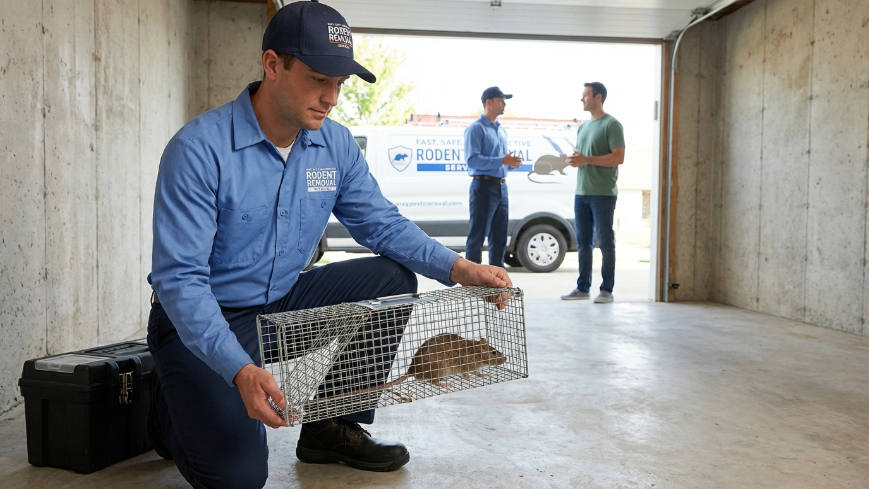
Rodents in your home or business aren’t just a nuisance—they’re a serious problem. From gnawed electrical wiring to contaminated food supplies, these uninvited guests can cause significant damage and pose health risks to your family or employees. When you spot the tell-tale signs of a rodent infestation, you need a solution that works quickly and keeps them from coming back.
That’s where professional rodent removal becomes essential. At Palm Beach Wildlife Services, we specialize in humane, thorough rodent control that addresses the root of the problem, not just the symptoms. Our team understands the unique challenges that property owners face when dealing with mice, rats, and other rodents, and we’re committed to delivering results that restore your peace of mind.
Why Rodents Are More Than Just a Minor Inconvenience
Many people underestimate the damage rodents can cause. These small creatures are surprisingly destructive, and their presence in your property can lead to costly repairs and potential health hazards.
Rodents constantly gnaw to keep their teeth from growing too long. This natural behavior means they’ll chew through wood, insulation, pipes, and even electrical wiring. A single rodent can cause thousands of dollars in structural damage, and chewed wires create a serious fire hazard.
Beyond property damage, rodents carry diseases that can spread to humans and pets. Their droppings, urine, and saliva can contaminate surfaces and food, leading to illnesses like hantavirus, salmonella, and leptospirosis. If you have children or elderly family members in your home, the health risks become even more concerning.
Rodents also reproduce rapidly. A small problem can turn into a full-blown infestation in just a few weeks. Female mice can produce up to 60 offspring per year, which means waiting to address the issue only makes it worse.
What Sets Professional Rodent Removal Apart
While DIY traps and store-bought solutions might seem like an easy fix, they rarely solve the underlying problem. Rodents are intelligent and adaptable. They learn to avoid traps, find new entry points, and continue breeding in hidden areas of your property.
Professional rodent removal takes a comprehensive approach. Palm Beach Wildlife Services doesn’t just set traps and hope for the best. We conduct detailed inspections to identify how rodents are entering your property, where they’re nesting, and what’s attracting them in the first place.
Our trained specialists look for entry points as small as a quarter-inch—gaps that most homeowners would never notice. We examine your foundation, roofline, vents, utility lines, and any other potential access routes. Once we’ve mapped out the infestation, we develop a customized removal plan that fits your specific situation.
We use humane, effective methods to remove rodents from your property. Our techniques prioritize safety for your family, pets, and the environment while ensuring complete eradication of the infestation.
The Palm Beach Wildlife Services Approach to Rodent Control
Our rodent removal process is built on three core principles: thorough inspection, strategic removal, and long-term prevention.
Inspection and Assessment
Every successful rodent removal starts with understanding the scope of the problem. Our team conducts a meticulous property inspection, checking both interior and exterior areas for signs of rodent activity. We look for droppings, gnaw marks, grease trails, nesting materials, and entry points.
We also assess what might be attracting rodents to your property. Open garbage, pet food, bird feeders, and overgrown vegetation can all make your home more appealing to these pests. Identifying these attractants allows us to recommend changes that will help prevent future infestations.
Strategic Removal
Once we understand the extent of the infestation, we implement a targeted removal strategy. This might include a combination of trapping, exclusion techniques, and habitat modification. We place traps in strategic locations based on rodent behaviour patterns and movement paths.
Our team monitors these traps regularly and adjusts our approach as needed. We don’t consider the job done until we’ve eliminated the entire rodent population from your property.
Prevention and Exclusion
Removing existing rodents is only half the solution. Without proper exclusion, new rodents will simply take their place. We seal entry points using durable materials that rodents can’t chew through. This includes installing door sweeps, sealing cracks in your foundation, covering vents with wire mesh, and addressing any structural vulnerabilities.
We also provide recommendations for maintaining a rodent-free property. Simple changes like proper food storage, regular cleaning, and vegetation management can make a significant difference in preventing future infestations.
Why Choose Palm Beach Wildlife Services
When you’re dealing with a rodent problem, you need a team that responds quickly, works efficiently, and delivers lasting results. Palm Beach Wildlife Services has built a reputation for excellence in wildlife management and rodent control throughout the Palm Beach area.
Our technicians receive ongoing training in the latest rodent removal techniques and safety protocols. We stay current with industry best practices and use proven methods that protect your property while addressing the infestation humanely.
We understand that rodent problems don’t follow a convenient schedule. That’s why we offer flexible appointment times and emergency services when you need them. Your comfort and safety are our top priorities, and we work around your schedule to minimize disruption to your daily routine.
Our commitment doesn’t end when the rodents are gone. We stand behind our work with comprehensive warranties and follow-up inspections to ensure your property remains rodent-free. If you experience any issues after our initial service, we’ll return to address them at no additional cost.
Take Action Before the Problem Grows
Rodent Removal services provide timely, professional solutions to stop infestations before they escalate. Rodent infestations don’t improve on their own—each day you wait allows these pests to multiply, cause more damage, and threaten your health. The most effective time to act is right now, using expert rodent removal to protect your property and restore peace of mind.
Palm Beach Wildlife Services makes it easy to protect your property. Our team is ready to provide a thorough inspection, develop a customized removal plan, and implement solutions that work. We’ve helped countless property owners reclaim their homes and businesses from rodent invasions, and we’re ready to do the same for you.
Don’t let rodents take over your property. Contact Palm Beach Wildlife Services today and experience the difference that professional, comprehensive rodent removal can make. Your rodent-free home is just one call away.

Few television characters have celebrated cultural identity as joyfully as Gloria Pritchett. Throughout Modern Family, Gloria embraces her Colombian heritage, speaks Spanish with confidence, shares stories from her upbringing, and occasionally reminds everyone around her that adapting to a new country does not mean leaving your roots behind.
While the series focuses primarily on family relationships and comedy, Gloria’s journey also reflects an experience shared by millions of people around the world: building a new life in another country while navigating unfamiliar systems, languages, and paperwork.
Moving internationally is exciting, but anyone who has done it knows that official documents quickly become an important part of the process. From proving your identity to registering children for school, many life events depend on having the right paperwork available in a language that local institutions can understand.
Life Doesn’t Pause When You Cross Borders
One of Gloria’s defining traits is her determination. Whether she is defending her culture, supporting her family, or pursuing a new opportunity, she rarely allows obstacles to stop her.
Real-life newcomers often need a similar mindset. Relocating to another country involves much more than packing suitcases and finding a new home. It frequently requires gathering documents issued years earlier, sometimes in another language and under completely different legal systems.
People who move abroad may suddenly discover they need copies of records they have not looked at in decades. Some documents may be stored with relatives, local municipalities, churches, or government offices back home. Others may need to be replaced because they were lost or damaged over time.
In many situations, presenting a document in its original language is not enough. Schools, employers, banks, courts, and healthcare providers often need to understand exactly what the document says before they can process an application or provide a service. Thus, the official certified translation is required.
The Documents Families Commonly Need
Every family’s circumstances are unique, but certain records appear repeatedly during international moves.
Birth Certificates
Birth certificates are among the most frequently requested documents. They establish identity, parentage, and place of birth.
Parents may need birth certificates when enrolling children in school, applying for benefits, obtaining passports, or proving family relationships.
For multicultural families, it is not unusual for parents and children to possess documents issued in several different countries and languages.
Marriage Certificates
Marriage certificates become important whenever couples need to demonstrate their legal relationship.
Whether opening joint accounts, updating insurance policies, purchasing property, or handling inheritance matters, proof of marriage is often required.
Families who married abroad sometimes discover that institutions in their new country expect the certificate to be accompanied by an accurate translation.
Academic Records
Diplomas, transcripts, and certificates of completion help educational institutions and employers evaluate an applicant’s background.
Adults seeking professional opportunities may need to provide evidence of degrees earned overseas. Teenagers transferring schools may also have to submit translated report cards and attendance records.
Even short educational programs, vocational courses, and language certificates can become relevant depending on the situation.
Medical Documents
Medical histories, vaccination records, and specialist reports can be invaluable when changing healthcare providers.
Having these records available in a language that doctors can understand helps ensure continuity of care and reduces the chances of misunderstandings.
Parents of young children often find it especially useful to organize vaccination records before moving internationally.
Police Certificates and Legal Records
Certain applications and professional licensing processes require police clearances or court documents.
Obtaining these papers from another country can take time, making it worthwhile to prepare them early.
Translation Is About More Than Language
People sometimes assume that translating an official document simply means replacing words from one language with words from another.
In reality, document translation requires precision.
Dates may follow different formats from country to country. Names can appear in multiple spellings. Some languages use characters that do not exist in English, while others have naming conventions that differ significantly from North American standards.
A small inconsistency can create unnecessary delays.
Imagine if Gloria’s full name appeared one way on her birth certificate, another way on her marriage certificate, and yet another way on her son’s school records. A clerk reviewing the paperwork might request additional explanations before proceeding.
Professional translators pay close attention to these details, ensuring that names, locations, stamps, signatures, and annotations are accurately represented.
Keeping Documents Organized
One lesson viewers can take from Modern Family is that family life is rarely predictable.
Unexpected opportunities arise. Emergencies happen. Plans change.
For internationally connected families, maintaining an organized document archive can save considerable stress.
A practical approach includes:
- Creating digital scans of important records.
- Storing original documents in a secure location.
- Keeping copies accessible while traveling.
- Checking expiration dates on passports and identity cards.
- Updating translations whenever a document is renewed or amended.
Some families also maintain a checklist identifying where each document was issued and whom to contact if a replacement is needed.
Embracing Two Cultures
Part of what makes Gloria such a memorable character is that she never hides her background. She introduces her traditions to the people around her, cooks familiar meals, celebrates holidays from home, and teaches her family to appreciate another perspective.
Many immigrant families share this experience.
Children may grow up speaking more than one language. Grandparents might live in another country. Relatives may visit from overseas carrying stories, customs, and documents written in languages younger generations cannot easily read.
Managing paperwork may not be the most exciting aspect of multicultural life, but it supports many meaningful milestones.
Buying a first home, enrolling a child in school, continuing an education, getting married, or pursuing a dream career often begins with something surprisingly simple: having the right documents ready when they are needed.
A Modern Family Reality
Television tends to skip over administrative tasks because they rarely make for entertaining storylines. Viewers see celebrations, arguments, vacations, and heartfelt moments, but they do not see characters waiting in line to request certified copies of records or searching old filing cabinets for missing certificates.
Yet these behind-the-scenes responsibilities are part of everyday life for countless families around the world.
Gloria reminds us that adapting to a new environment does not mean abandoning who we are. Our languages, histories, and personal records travel with us, helping tell the story of where we came from and where we hope to go next.
And while moving between countries can involve plenty of paperwork, being prepared allows families to spend less time worrying about documents and more time focusing on what truly matters: creating memories together.
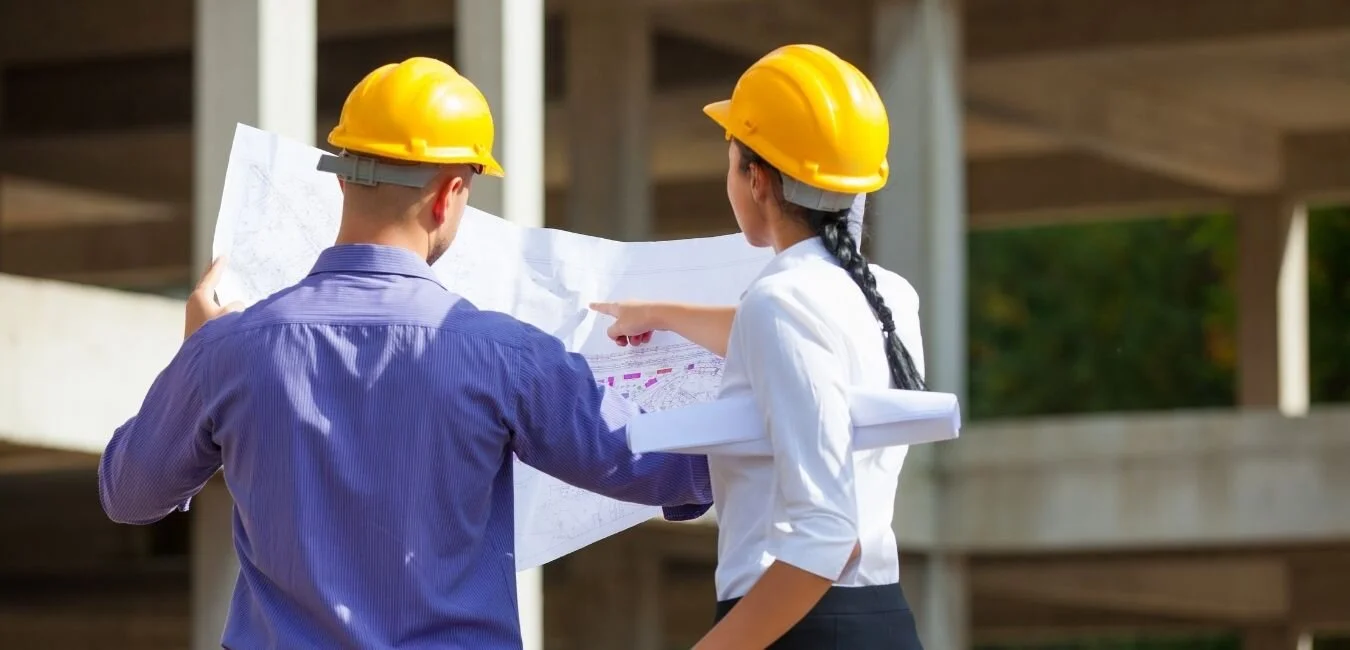
In present-day creation tasks, collaboration among design and location teams is not elective—it’s crucial. Projects these days are speedy-paced, information-driven, and exceedingly complicated, requiring seamless coordination across a couple of disciplines. This is where estimators play a critical role. Acting as a bridge between conceptual planning and on-site execution, estimators assist in aligning expectations, budgets, and timelines from the earliest stages of a project.
One of the important things that approach this alignment is achieved through construction estimation services, where a Construction Estimator provides accurate fee insights and designated quantity breakdowns. These insights enable designers to make informed choices while ensuring that site teams have sensible plans to execute. When the feedback is delivered early, it minimizes misunderstandings and sets a strong basis for collaboration in the course of the task lifecycle.
As tasks pass ahead, the position of estimators will become even more impactful. They do not clearly calculate charges—they interpret designs, become aware of capability risks, and ensure that every stakeholder is working with constant information. This continuous interaction fosters belief among teams and decreases the friction that frequently arises because of miscommunication or incomplete statistics.
The Role of Estimators as Communication Bridges
Estimators act as translators between layout rationale and production fact. Designers often focus on aesthetics and capability, while online website groups prioritize feasibility and execution. Estimators bring these perspectives together by interpreting drawings and specs in a practical, value-centered way.
By taking part in early-degree meetings, estimators help clarify layout details and spotlight potential cost implications. This proactive conversation guarantees that layout selections aren’t only visually appealing but also financially possible and constructible. As a result, both teams gain a clearer knowledge of venture necessities.
Another critical element in strengthening this collaboration is the integration of drafting services. These services provide particular visual representations of task additives, permitting estimators to extract correct quantities and identify discrepancies early. When design groups and location groups work from equally precise drawings, it considerably reduces mistakes and guarantees that everyone is aligned with the undertaking’s vision.
Enhancing Transparency Through Data-Driven Insights
Transparency is one of the most valuable contributions estimators bring to a challenge. Detailed cost breakdowns, fabric portions, and exertion forecasts provide a shared reference point for all stakeholders.
When each design and site group has access to the same facts, it eliminates ambiguity. A CAD Drafter ensures that everyone is working from consistent and accurate drawings, so what’s anticipated, what assets are required, and the way choices affect the general price range are clearly understood. This degree of readability facilitates preventing disputes and keeps the task on the right track.
Reducing Errors and Rework
One of the most important challenges in creation is transformation caused by design inconsistencies or misinterpretations. Estimators play a crucial function in minimizing those issues by using very well-reviewed plans and figuring out gaps earlier than production starts.
Their ability to move, take a look at drawings, specifications, and portions guarantees that capacity conflicts are addressed early. This not only saves time but also reduces needless costs and delays. A nicely coordinated method in the long run leads to smoother mission execution.
Supporting Better Decision-Making
Estimators empower each layout and location group with actionable insights. By studying extraordinary layout alternatives and their fee implications, they assist stakeholders in picking the most efficient solutions.
For instance, if a selected cloth choice will considerably increase fees or complicate setup, estimators can suggest alternatives that are excellent while enhancing feasibility. This collaborative decision-making process guarantees that initiatives reap the high-quality balance between the designated and realistic execution.
Strengthening Workflow Integration
Modern production projects rely heavily on integrated workflows, where more than one team’s paintings are simultaneously in place or sequentially. Estimators contribute to this integration by way of maintaining steady conversation and updating value data as designs evolve.
This dynamic approach ensures that modifications in design are immediately reflected in price estimates and placement planning. It prevents last-minute surprises and keeps all groups aligned for the duration of the undertaking lifecycle.
In this context, construction estimators play a strategic role in preserving continuity between planning and execution. Their expertise ensures that each phase of the undertaking is completed, reducing fragmentation and improving overall performance.
Building Trust Between Teams
Trust is the muse of a hit collaboration, and estimators help build it by way of supplying reliable and constant data. When design teams believe that their thoughts might be appropriately costed, and site groups trust that plans are practical, collaboration will become a good deal smoother.
Construction Estimating Services also act as impartial agents who balance competing priorities. By specializing in facts and practicality, they help clear up conflicts and keep the task moving ahead. This balanced technique fosters a lifestyle of cooperation and mutual admiration.
Final Thoughts
In today’s construction surroundings, estimators are far more than cost calculators—they’re key facilitators of collaboration. By bridging the distance between layout creativity and location practicality, they make sure that initiatives are not only well-planned but also efficiently performed.
Their potential to offer correct records, identify dangers, and support knowledgeable decision-making makes them fundamental to modern production workflows. As projects keep growing in complexity, the position of estimators in enhancing collaboration will simply become more crucial.
Frequently Asked Questions
1. How do estimators improve communication among groups?
Estimators provide clear value data and distinct amount breakdowns, making sure both layout and location teams work with the same statistics, decreasing misunderstandings.
2. Why is early involvement of estimators crucial?
Early involvement enables picking out price implications and layout challenges before production starts, preventing delays and expensive adjustments later.
3. How do estimators lessen venture risks?
By reviewing plans and figuring out inconsistencies early, estimators help keep away from errors, transformations, and sudden costs throughout construction.
4. What tools do estimators use to enhance collaboration?
Estimators use superior software programs, virtual drawings, and integrated project management tools to ensure correct data sharing and seamless coordination among teams.

The construction enterprise is rapidly evolving, driven by growing undertaking complexity, tighter cut-off dates, and growing purchaser expectations. Traditional coordination strategies are not enough to address the dynamic nature of modern construction projects. Today, achievement relies on advanced coordination structures that integrate eras, streamline workflows, and align all stakeholders towards a shared goal.
Efficient coordination is the backbone of productivity. When teams, statistics, and approaches are structured in a coordinated way, tasks become more predictable, delays are minimized, and costly mistakes are avoided. With the support of Construction Estimating Companies, the emergence of next-era coordination systems is transforming how production tasks are planned, achieved, and delivered.
Building a Strong Foundation for Coordinated Project Success
Every efficient production challenge starts with a solid coordination framework. Early planning ensures that each team recognizes their roles, duties, and timelines. Without this clarity, confusion can quickly disrupt progress.
A key thing at this level is accurate fabric-making plans. Tools like takeoff assistance outline genuine material necessities, permitting groups to keep away from shortages and over-ordering. When incorporated into early coordination, it ensures better resource allocation and smoother workflow execution. Establishing this basis early creates alignment amongst stakeholders and decreases the probability of miscommunication later within the assignment.
Connecting Teams Through Structured Planning Systems
Coordination isn’t pretty much making plans—it’s approximately making sure that every team works in sync throughout the project lifecycle. Structured planning systems offer a roadmap that keeps everybody aligned.
These systems define communication protocols, reporting systems, and workflow sequences. When mixed with accurate cloth insights, including lumber, they allow venture managers to maintain consistency and efficiency across all levels. With clear systems in the region, groups can collaborate effectively, decreasing confusion and improving standard productivity.
Data-Driven Decision Making for Better Project Outcomes
Modern production relies heavily on data to guide decisions. From fee estimation to scheduling, data-driven insights help project managers make informed decisions that enhance performance. By analyzing real-time records, groups can discover capacity dangers, track performance, and adjust plans for this reason. This proactive technique minimizes disruptions and keeps initiatives on schedule.
Incorporating Construction Estimating Services in this manner further complements accuracy with the aid of imparting unique cost evaluation and forecasting. This guarantees that financial planning aligns with actual undertaking requirements, decreasing the probability of budget overruns.
Enhancing Budget Control Through Smart Estimation Integration
Cost control is one of the most essential factors of construction challenge management. Without proper coordination, expenses can quickly spiral out of control. Smart estimation integration allows groups to screen charges in real time and make adjustments when necessary. By the use of construction estimating offerings, undertaking managers benefit from higher visibility into costs, supporting them to maintain a budget throughout the venture.
This degree of management is not the most effective in improving performance; however, it additionally builds trust with customers by means of making sure there is transparency and accountability.
Leveraging Advanced Technologies for Seamless Coordination
Technology performs an important function in next-gen coordination systems. Tools, including cloud-based platforms, Building Information Modeling (BIM), and mobile packages, allow real-time collaboration among groups.
These technologies permit stakeholders to get access to updated challenge data, share records instantly, and remedy issues quickly. This reduces delays and guarantees that everybody is working with accurate facts. Automation is a critical issue. By automating repetitive duties, groups can focus on more vital tasks, enhancing standard productivity and performance.
Strengthening Project Accountability and Performance Tracking
Accountability is important for keeping efficiency in construction projects. Clear performance metrics and monitoring systems make certain that each group member is accountable for their duties. Regular progress critiques and performance reviews help pick out areas for development and make sure that cut-off dates are met. This dependable technique maintains the undertaking on the right track and minimizes the risk of delays.
Collaborating with a professional construction estimation company can further enhance duty by using and supplying correct value monitoring and performance insights. This facilitates keeping control over both financial and operational aspects of the mission.
Minimizing Risks Through Proactive Coordination Strategies
Risk management is a critical part of construction coordination. Unexpected demanding situations can disrupt progress and boost fees if not addressed directly. Proactive coordination strategies involve identifying ability risks early and growing contingency plans. Regular conversation and continuous monitoring allow teams to respond fast to any issues that arise.
A reliable Construction Estimating Service can also guide threat management by means of supplying correct forecasts and identifying financial dangers before they come to be essential troubles.
Final Thoughts
Next-era coordination systems are reshaping the construction enterprise by introducing smarter, more efficient ways of dealing with tasks. From early planning and information-driven selection-making to the advanced era and accountability, these systems offer a complete method for enhancing assignment performance.
By adopting cutting-edge coordination strategies, construction professionals can lessen delays, manipulate expenses, and supply amazing outcomes. The future of production lies in connected, intelligent systems that bring clarity and performance to each stage of the task lifecycle.
FAQ’s
1. What are subsequent-technology coordination systems in construction?
They are superior systems that integrate technology, records, and dependent procedures to enhance mission efficiency and collaboration.
2. How do coordination structures improve construction efficiency?
They streamline verbal exchange, reduce errors, and make sure that all teams are working in alignment with the challenge’s desires.
3. Why is statistics critical in construction coordination?
Data provides insights that help task managers make knowledgeable decisions, discover risks, and optimize performance.
4. What position does ERA play in coordination?
Technology allows real-time collaboration, automation, and accurate statistics sharing, which appreciably improves performance.
5. How can construction projects reduce risks successfully?
By using proactive planning, continuous monitoring, and strong coordination strategies to deal with capability problems early.