
Archives
Tahini: Everything You Need to Know About This Nutty Wonder

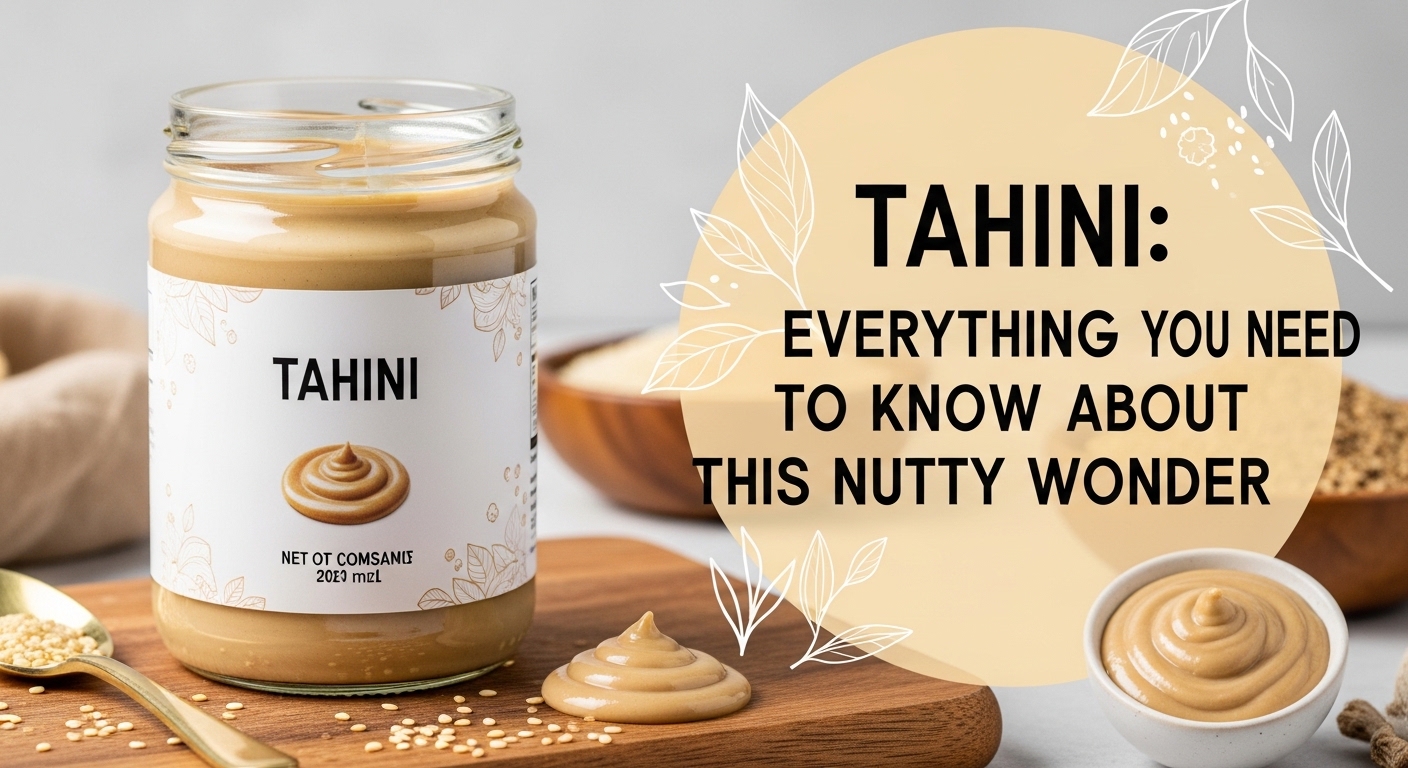
Tahini is a culinary gem that packs a flavorful punch. This creamy, nutty paste made from ground sesame seeds has been winning hearts (and taste buds) around the world for centuries. Whether you’re drizzling it over your favorite dishes or blending it into sauces and dips, tahini brings a unique richness that elevates any meal. But there’s more to this ingredient than just its delicious taste. From its fascinating history to its impressive nutritional benefits, tahini deserves a spotlight in your kitchen pantry. Let’s dive deep into everything you need to know about this versatile wonder!
History and Cultural Significance of Tahini
Tahini boasts a rich and storied history that stretches back thousands of years. Originating in the Middle East, it has been a staple in various cuisines for centuries. Ancient texts suggest its use as far back as 5000 BC.
In many cultures, tahini is more than just a food item; it’s a symbol of heritage and tradition. It plays an essential role in Mediterranean and Middle Eastern diets, often accompanying dishes like hummus and baba ghanoush.
In Jewish cuisine, tahini finds its place during significant celebrations, particularly during Passover when it’s used to make charoset. In contrast, other regions incorporate it into daily meals without hesitation.
With its nutty flavor and creamy texture, tahini transcends borders. Today, you’ll find this versatile ingredient gaining popularity around the globe as people discover its unique taste and health benefits.
Nutritional Benefits of Tahini
Tahini is a powerhouse of nutrition. Made from ground sesame seeds, it’s rich in healthy fats, particularly monounsaturated and polyunsaturated fatty acids.
These heart-healthy fats can help lower bad cholesterol levels. That makes tahini an excellent addition to any balanced diet.
It also boasts a good amount of protein, making it a favorite among plant-based eaters looking for alternatives to meat.
Beyond that, tahini is packed with vitamins and minerals like calcium, magnesium, and iron. These nutrients are essential for bone health and overall well-being.
Another highlight? Tahini contains antioxidants which protect the body from oxidative stress. This can lead to improved skin health and boosted immunity over time.
With its impressive nutritional profile, incorporating tahini into your meals brings both flavor and health benefits to the table.
Ways to Use Tahini in Cooking
Tahini is a versatile ingredient that can elevate your culinary creations. Use it as a creamy base for salad dressings, mixing it with lemon juice, garlic, and olive oil for a zesty kick.
You can stir tahini into soups to add richness and depth. A spoonful transforms simple vegetable broths or lentil soups into something luxurious.
For breakfast lovers, drizzle tahini over pancakes or oatmeal. It pairs wonderfully with honey and fruit for a nutritious start to the day.
Baking enthusiasts can incorporate tahini into cookies or brownies. This nutty wonder enhances flavor while keeping baked goods moist.
Don’t forget about dips! Blend tahini with chickpeas to make smooth hummus or mix it with yogurt and spices for an exciting veggie dip.
Experimenting with this ingredient opens up endless possibilities in both sweet and savory dishes.
Popular Dishes and Recipes Featuring Tahini
Tahini shines in a variety of dishes, adding depth and creaminess. One popular option is hummus. The nutty flavor perfectly complements chickpeas, garlic, and lemon juice.
Another classic dish is baba ganoush. This smoky eggplant dip gets a delightful twist with tahini mixed in. It’s perfect for dipping fresh veggies or pita bread.
For those looking to spice things up, tahini can be drizzled over roasted vegetables. Its rich texture enhances the natural sweetness of carrots or Brussels sprouts.
Salad lovers adore tahini dressings too. A simple mix of tahini, lemon juice, garlic, and water creates a creamy dressing that elevates any salad bowl.
Don’t forget about desserts! Tahini cookies offer a unique take on traditional recipes, providing an unexpected nutty flavor that pairs well with chocolate chips or dried fruit.
How to Make Homemade Tahini
Making homemade tahini is simple and rewarding. Start with raw sesame seeds. You’ll need about a cup to yield a batch that you can use in various recipes.
Toast the seeds lightly in a dry skillet over medium heat. Stir constantly for even browning, just until they turn golden and fragrant. This step enhances their nutty flavor.
Once cooled, transfer the toasted seeds to a food processor or blender. Blend them on high speed, scraping down the sides as needed. The mixture will first resemble crumbs before turning into creamy tahini.
If it’s too thick, add a tablespoon of neutral oil like grapeseed or sunflower oil for smoother consistency. Continue blending until perfectly silky.
Store your homemade tahini in an airtight container in the refrigerator for up to two weeks. Enjoy this versatile ingredient whenever you need it!
Choosing the Best Tahini for Your Needs
When selecting tahini, consider the type that suits your culinary needs. There are two main varieties: hulled and unhulled. Hulled tahini has a smoother texture and milder flavor, perfect for dressings or dips. Unhulled offers a richer taste and more nutrients due to its whole sesame seeds.
Check the ingredient list carefully. Quality tahini should contain just one item: sesame seeds. Avoid brands with added oils or preservatives.
Next, think about freshness. Opt for products in glass jars rather than plastic containers when possible. Glass helps preserve flavor over time.
Don’t forget to explore local options! Artisan producers often create unique blends that can elevate your dishes significantly while supporting small businesses in your community.
Potential Side Effects and Precautions
While tahini is generally safe for most people, it’s important to be aware of potential side effects. Those with sesame allergies should avoid it altogether, as even a small amount can trigger severe reactions.
Tahini is high in calories and fat. Moderation is key if you’re watching your weight or managing cholesterol levels.
Some individuals may experience digestive issues due to its high fiber content. It’s wise to start with small amounts and see how your body reacts before incorporating more into your diet.
If you’re on certain medications or have specific health conditions, consult a healthcare professional before adding tahini regularly. This ensures that it fits well within your dietary needs without causing complications.
Always check labels carefully when buying store-bought tahini for additives like salt or preservatives that may not align with your dietary preferences.
Incorporating Tahini into Different Diets (Vegan, Gluten-Free, etc.)
Tahini is a versatile ingredient that fits beautifully into various diets. For those following a vegan lifestyle, tahini serves as an excellent source of plant-based protein and healthy fats. It can elevate salads, smoothies, or even be used as a spread on toast.
Gluten-free eaters will find tahini’s creamy texture perfect for binding ingredients in recipes like gluten-free cookies or energy balls. It adds richness without compromising dietary needs.
Paleo enthusiasts can also enjoy this nutty wonder in dressings or sauces. Its natural flavors complement roasted vegetables wonderfully.
For anyone focused on Mediterranean cuisine, tahini is essential for making authentic hummus and baba ganoush. This ingredient brings depth to dishes while remaining health-conscious.
Whether you’re exploring new culinary avenues or sticking to specific diet guidelines, incorporating tahini opens up exciting possibilities in the kitchen.
Conclusion
Tahini is more than just a trendy ingredient; it’s a versatile staple deeply rooted in history and culture. Its rich, nutty flavor can elevate countless dishes while providing significant nutritional benefits. Whether you’re drizzling it over salads, blending it into dips, or using it as a base for sauces, tahini opens up a world of culinary possibilities.
Making your own tahini at home is simple and rewarding. You can also find various brands that cater to different dietary needs, ensuring everyone can enjoy this delicious paste. However, like any food item, moderation is key—especially if you have allergies or certain dietary restrictions.
Incorporating tahini into vegan or gluten-free diets adds depth and nutrition without sacrificing taste. With its rising popularity across the globe, there’s no better time to explore what this nutty wonder has to offer.
So why not dive in? Experiment with tahini today and discover how this ancient ingredient can enhance your meals!

There’s a unique magic in the air when you embark on a journey solo. Meet Solo Et, an empowering experience that invites you to step away from familiar comforts and dive headfirst into self-discovery. Imagine exploring new horizons without the constraints of an itinerary shaped by others. This is your chance to immerse yourself in different cultures, savor local delicacies, and meet fascinating individuals—all at your own pace.
Solo travel isn’t merely about visiting new places; it’s about forging a deeper connection with yourself. As you navigate through unknown streets or hike up breathtaking trails, you’ll find opportunities for reflection and growth around every corner. Whether you’re seeking adventure or tranquility, Solo Et offers transformative experiences that can reshape your perspective on life.
Are you ready to embrace independence? Let’s explore what makes Solo Et not just a trip but a profound journey toward personal growth and fulfillment.
The Benefits of Solo Travel
Solo travel offers unparalleled freedom. You can create your own itinerary without considering anyone else’s preferences. Each decision, from where to eat to what sights to see, is entirely yours.
This independence fosters a sense of empowerment. You’ll learn how capable you truly are when navigating new environments alone. It pushes you out of your comfort zone and encourages personal growth.
Another significant advantage is the opportunity for deep self-reflection. When you’re away from distractions, you can connect with yourself on a deeper level.
Meeting new people becomes easier as well. Traveling solo often opens doors to authentic interactions with locals and fellow travelers alike.
Each journey transforms into a unique experience that shapes who you are and broadens your perspective on life.
Overcoming the Fear of Solo Travel
Many people feel apprehensive about embarking on a solo trip. The thought of facing the unknown can be daunting. However, overcoming this fear is an essential step toward embracing independence.
Start by acknowledging your fears. Write them down and explore what specifically makes you anxious. This exercise helps in identifying irrational thoughts that may be holding you back.
Next, take small steps to build your confidence. Begin with day trips or exploring local spots alone. These experiences serve as practice for longer adventures.
Connecting with other travelers through online communities can provide reassurance too. Sharing stories and tips from those who have taken the plunge can inspire courage within you.
Remember, every seasoned traveler started somewhere—everyone has faced their own doubts along the journey of self-discovery through travel. Embrace it!
Choosing the Right Destination for Solo Et
Choosing the right destination for your Solo Et experience is crucial. Think about what kind of adventure you seek. Do you crave bustling city life or serene nature?
Researching destinations that cater to solo travelers can open new possibilities. Look for places known for their welcoming atmospheres and vibrant cultures. You might find cities with plenty of activities, from museums to cafes where you can meet fellow adventurers.
Consider safety as a top priority. Destinations with low crime rates are ideal for peace of mind while exploring on your own.
Think about language and communication barriers. Choosing a place where English is widely spoken may ease any anxiety during your travels.
Finding a destination that aligns with both your interests and comfort levels will enrich your Solo Et journey significantly.
Budgeting for a Solo Et Adventure
Budgeting for a Solo Et adventure requires thoughtful planning. Start by estimating your travel expenses. Consider flights, accommodation, meals, and activities.
Research costs at your chosen destination to get an accurate picture. Utilize budget-friendly websites to find deals on flights or hostels. These savings can free up funds for experiences that matter most.
Create a daily spending limit based on your total budget. This helps you stay accountable and avoid overspending during the trip.
Don’t forget about emergency funds; set aside a little extra just in case plans go awry.
You might also explore options like cooking meals instead of dining out or using public transportation rather than taxis to keep costs down while still enjoying authentic local culture.
With some foresight and creativity, solo travel becomes not only possible but enriching without breaking the bank.
Safety Tips for Solo Et
When embarking on a Solo Et adventure, prioritizing safety is essential. Start by researching your destination thoroughly. Familiarize yourself with local customs, laws, and any areas to avoid.
Stay connected. Share your itinerary with friends or family members, so they know where you are at all times. Consider using location-sharing apps for added security.
Keep important documents secure but accessible. A money belt can help protect against theft while allowing easy access to essentials like your passport and cash.
Trust your instincts when meeting new people or navigating unfamiliar places. If something doesn’t feel right, it’s okay to walk away.
Invest in travel insurance that covers medical emergencies and trip cancellations. This small step can provide peace of mind during your Solo Et journey.
Embracing Self-Discovery Through Solo Et
Solo Et invites you to embark on a journey within. When you travel alone, the world becomes your canvas for self-exploration.
Without distractions, every experience shapes your understanding of who you are. You learn to navigate challenges and celebrate small victories, gaining confidence along the way.
Each moment spent in solitude encourages reflection. A quiet morning by the sea or an adventurous hike can spark insights about your passions and dreams.
As you meet new people and embrace different cultures, your perspectives broaden. These encounters often lead to unexpected lessons that resonate deeply with your own life story.
Embracing Solo Et helps shed layers of uncertainty. It empowers a deeper connection with yourself while fostering resilience and adaptability—key traits for personal growth.
Conclusion: The Power of Solo Et in Personal Growth and Development
Embracing the journey of Solo Et is not just about traveling alone; it’s a pathway to deeper self-awareness and personal growth. Each trip offers opportunities for introspection, allowing you to connect with your true self away from daily distractions.
As you navigate new places on your own, you learn resilience and adaptability. Small challenges become moments of triumph, boosting your confidence along the way. The friendships formed with fellow travelers or locals add richness to these experiences, showing that connections can thrive even in solitude.
Moreover, solo travel encourages creative thinking. With every decision resting in your hands—from where to eat to what sights to see—you unlock parts of yourself that may have been overshadowed by routine life choices.
The power of Solo Et lies in its ability to foster independence while nurturing a sense of adventure within you. It invites exploration—not just of the world around you but also the landscape within yourself. This journey becomes transformative as each experience builds toward a clearer understanding of who you are and what brings joy into your life.
Engaging fully in this form of travel can be liberating and empowering, making every moment spent exploring solo an investment in personal development that lasts far beyond any trip taken.

Nestled in the heart of captivating landscapes, Beit Bart is a hidden gem that beckons photographers from all corners of the globe. With its breathtaking vistas and vibrant culture, this enchanting destination offers an unparalleled canvas for visual storytelling. Whether you’re an amateur snapping photos on your phone or a seasoned professional wielding high-end equipment, Beit Bart presents endless opportunities to capture stunning visuals. Each corner holds secrets waiting to be unveiled through your lens. The charm of this locale is not just in its scenery but also in the stories it tells through light and shadow. Discover why every photographer should make their way to Beit Bart, where creativity knows no bounds and inspiration flows like a gentle breeze through the hills.
The Best Time to Visit Beit Bart for Photography
For photographers, timing is everything. The golden hours of early morning and late afternoon offer the best light in Beit Bart. Soft hues bathe the landscape, creating magical opportunities for stunning shots.
Spring is particularly captivating here. Wildflowers burst into bloom, adding vibrant pops of color against the backdrop of historic architecture and serene landscapes. The weather during this season is also mild, making it comfortable to explore.
Autumn presents a different charm with its rich foliage transforming the scenery into a tapestry of warm tones. Photographers eager for dramatic skies should consider visiting just before or after rain showers when clouds add depth to their images.
Beit Bart hums with life year-round; however, capturing its essence requires planning around these seasonal changes for optimal results. Each moment offers something unique—patience and awareness will reward you handsomely behind the lens.
Must-See Locations in Beit Bart for Photographers
Beit Bart is a treasure trove for photographers seeking inspiration and stunning backdrops. Start your journey at the ancient olive groves, where gnarled trunks create captivating shapes against the golden light.
Next, explore the vibrant local markets. The colors and textures of fresh produce offer endless opportunities for vivid close-ups.
Don’t miss the charming streets lined with historic architecture. Each building tells a story through its intricate details and weathered surfaces.
For landscape lovers, head to nearby hills that provide panoramic views of rolling valleys bathed in soft sunlight during sunset.
The scenic riverbanks are perfect for reflections and serene water shots, especially in early morning fog.
Wildflower fields bloom in springtime, adding splashes of color that can elevate any composition dramatically.
Tips for Capturing Stunning Visuals in Beit Bart
To capture stunning visuals in Beit Bart, timing is everything. Golden hour—just after sunrise and before sunset—provides magical lighting that enhances colors and textures.
Experiment with angles. Don’t just shoot from eye level; get low or find higher vantage points for unique compositions. This can transform an ordinary scene into something extraordinary.
Pay attention to the locals. Their daily life offers candid moments ripe for photography. Building rapport can lead to more intimate shots, capturing genuine expressions and interactions.
Utilize leading lines found in roads or paths to draw viewers’ eyes into your frame. This technique creates depth and guides the viewer’s journey through your photograph.
Embrace spontaneity. Sometimes the best shots are unplanned, so keep your camera ready at all times to seize fleeting moments that tell a story about this vibrant place.
Equipment and Camera Settings for Photographing in Beit Bart
When photographing in Beit Bart, having the right equipment can make all the difference. A DSLR or mirrorless camera is ideal for capturing the stunning landscapes and intricate details of this picturesque location.
Consider bringing a versatile zoom lens that allows you to switch between wide-angle shots of sweeping views and close-ups of unique textures found throughout the area. A tripod is essential for low-light situations, especially during sunrise or sunset when the light creates magical moments.
Don’t forget extra batteries and memory cards; you’ll want to capture every spectacular shot without worrying about running out of power or space.
For settings, shoot in RAW format to give yourself more flexibility during editing. Keep your ISO as low as possible for clearer images, adjusting shutter speed based on lighting conditions. Experiment with aperture settings to create depth in your compositions while ensuring your subject stands out beautifully against Beit Bart’s captivating backdrop.
Capturing the Culture and People of Beit Bart
Beit Bart is a vibrant tapestry of culture, rich traditions, and warm-hearted people. Each corner reveals a story waiting to be told through your lens.
As you roam the bustling markets, take time to engage with local vendors. Their smiles and stories can add depth to your photos. Capture candid moments that reflect daily life; these will resonate with viewers.
Participating in cultural festivals offers another fantastic opportunity. The colors, sounds, and emotions create stunning backdrops for portraits or action shots.
Don’t forget about the children playing in the streets or elders sharing tales on porches. These interactions breathe life into your photography portfolio.
Use natural light during golden hours for softer tones that highlight expressions beautifully. Observing how locals interact can inspire unique compositions that tell Beit Bart’s story authentically.
Editing Techniques for Enhancing your Photos from Beit Bart
Editing your photos from Beit Bart can elevate them to an entirely new level. Start by adjusting the exposure to bring out details in shadows and highlights. A well-balanced image is key.
Color correction plays a vital role too. Enhance the vibrant hues of Beit Bart’s landscapes, making those blues and greens pop without oversaturation.
Consider using cropping techniques to draw attention to your subject or create a more dynamic composition. A tighter frame can often tell a better story.
Don’t shy away from applying filters that resonate with the mood you captured during your shoot. Whether it’s warm tones for sunsets or cooler shades for tranquil scenes, subtle enhancements work wonders.
Sharpening helps define edges, giving clarity to intricate details that might otherwise go unnoticed. Each adjustment should feel intentional—allowing the essence of Beit Bart to shine through in every shot.
Conclusion: Why Every Photographer Should Visit Beit Bart
Beit Bart is a hidden gem for photographers seeking to capture breathtaking visuals. Its diverse landscapes, rich cultural tapestry, and vibrant community provide an endless source of inspiration. Whether you’re drawn to the serene natural beauty or the bustling life of its streets, each corner reveals something new.
Visiting Beit Bart allows photographers to develop their skills while exploring unique compositions and lighting conditions. The local culture offers compelling narratives that enhance your portfolio with authentic stories behind every shot.
If you seek a destination that combines stunning scenery with artistic potential, Beit Bart should be on your radar. Embrace the opportunity to explore this photographer’s paradise; it promises unforgettable moments waiting to be captured through your lens.

The digital landscape is ever-evolving, and one phenomenon has captured the attention of millions: Vçç. This intriguing concept has taken root in our online interactions, transforming how we connect and share ideas. From its humble beginnings to becoming a cultural force, Vçç represents more than just a trend—it’s a reflection of how technology shapes our communication. With its unique charm and growing influence, understanding Vçç can provide insight into where we’re headed as a society. Join us on this journey through the evolution of Vçç and discover what makes it so captivating!
The Emergence of Vçç
Vçç emerged in the digital realm as a response to our craving for authenticity. It began as a niche concept among tech-savvy communities, quickly spreading through social media platforms.
The initial appeal lay in its ability to convey emotions succinctly. Users found it refreshing compared to traditional forms of communication. The simplicity and versatility of Vçç allowed people to express themselves creatively.
As more users adopted this new language, it evolved into a cultural phenomenon. Memes, videos, and posts featuring Vçç started appearing everywhere. Its unique style resonated with diverse audiences across various demographics.
This grassroots movement paved the way for mainstream recognition. Influencers began incorporating Vçç into their content, further solidifying its presence in popular culture. With each passing day, interest grew exponentially as more individuals sought ways to engage with this dynamic form of expression.
The Popularity and Growth of Vçç
Vçç has rapidly transformed from a niche interest to a global phenomenon. Its unique appeal lies in its ability to engage users across different demographics.
The platform’s user-friendly interface fosters creativity and connection. This ease of use encourages participation, drawing in millions who want to share their experiences.
Social media influencers have played a significant role in boosting Vçç’s popularity. Their endorsements create buzz, attracting new users eager to join the trend.
As more individuals embrace this digital space, the growth becomes exponential. The algorithm adapts swiftly, ensuring that engaging content reaches an ever-widening audience.
Moreover, Vçç’s integration with other platforms enhances its visibility. Cross-platform sharing allows for greater exposure and interaction among diverse communities worldwide.
How Vçç Has Changed the Way We Communicate
Vçç has revolutionized communication in ways we never imagined. With its unique format, it encourages brevity and clarity. Messages are shorter, often adorned with vibrant visuals that convey emotions faster than words.
Social interactions have shifted dramatically. People now interact through a blend of symbols and emojis, creating a new language of sorts. This transformation fosters creativity while also posing challenges for nuanced conversations.
The immediacy of Vçç means thoughts can be shared in real-time. Instant feedback is the norm; waiting for replies feels outdated.
Moreover, connections formed through Vçç can transcend geographical barriers. Friendships flourish beyond borders as users come together over shared interests.
In essence, Vçç has fostered a dynamic landscape where communication is both quick and engaging—reflecting our fast-paced digital lives.
Controversies Surrounding Vçç
Vçç has not been without its fair share of controversies. Critics often highlight issues related to privacy concerns. Users’ data can be vulnerable, leading to potential exploitation.
Another major debate revolves around content moderation. The platform faces challenges in managing harmful or misleading information. This raises questions about free speech versus the responsibility of digital platforms.
The influence of Vçç on mental health is also a hot topic. Some studies suggest that excessive use can lead to anxiety and depression among users, especially younger demographics.
There are ongoing discussions about the impact Vçç has on interpersonal relationships. Many argue it fosters superficial connections rather than meaningful interactions. These varying perspectives continue to fuel conversations surrounding this digital phenomenon.
The Impact of Vçç on Society and Culture
Vçç has woven itself into the fabric of modern society. Its influence stretches far beyond digital spaces, changing how we relate to one another.
The platform fosters new forms of expression. Artists and creators now have a unique stage to share their work, reaching global audiences effortlessly. This democratization of creativity is profound.
Social movements also thrive on Vçç. Activists harness its power for awareness and mobilization, making it an essential tool for change. Voices that once went unheard gain momentum.
Culturally, Vçç creates shared experiences among diverse groups. Memes and trends transcend boundaries, creating a collective language that resonates with many.
However, this impact isn’t universally positive. The rapid spread of information can lead to misinformation and polarization within communities.
Navigating these complexities becomes crucial as Vçç continues to evolve in our lives.
Future Predictions for Vçç
The future of Vçç holds immense potential. As digital communication continues to evolve, we can expect Vçç to adapt seamlessly.
Technological advancements will likely enhance its features. Imagine augmented reality integrations that make interactions more immersive and engaging. Users could experience conversations in 3D spaces, adding depth to virtual connections.
Additionally, the rise of artificial intelligence may shape how messages are crafted and shared on Vçç. Personalized content suggestions could streamline discussions, making exchanges smoother than ever.
Furthermore, as global connectivity grows, Vçç might expand its reach across diverse languages and cultures. This could foster a richer tapestry of communication styles within the platform.
With increasing concerns around privacy and data security, it’s crucial for Vçç to prioritize user protection while maintaining an open environment for expression. The evolution ahead promises exciting developments that can redefine our digital interactions in remarkable ways.
Conclusion
Vçç has undeniably carved out a unique space in the digital landscape. What began as a niche concept quickly evolved into a cultural phenomenon that reshapes how we interact and communicate. Its rise to prominence illustrates not only the power of technology but also our collective need for connection.
As Vçç continues to grow, its influence on communication methods will likely deepen. The ongoing debates surrounding this platform highlight both the benefits and challenges it brings to society. While controversies may arise, they often spark discussions that drive innovation and improvement.
Looking ahead, it’s clear that Vçç will keep evolving. Whether it becomes more entrenched in our daily lives or faces new competition from emerging platforms remains to be seen. However, one thing is certain: its impact on society and culture is profound, leaving an indelible mark for years to come.
The future holds many possibilities for Vçç as it adapts alongside changing user needs and technological advancements. Whatever lies ahead, the journey of Vçç promises to be just as dynamic as its past.
-

 Cast11 months ago
Rico Rodriguez
-

 Episode Guide11 months ago
Halloween episodes
-

 Cast11 months ago
Cast
-

 Guest Star11 months ago
Valentine’s Day episodes
-

 Cast11 months ago
Sarah Hyland
-

 Cast11 months ago
Who is your favourite character?
-

 Guest Star11 months ago
Guest Star: Raegan Revord
-

 Guest Star11 months ago
Guest Star: Khamani Griffin