
Archives
Pravi Celer: A Culinary Journey Through Flavor and Health

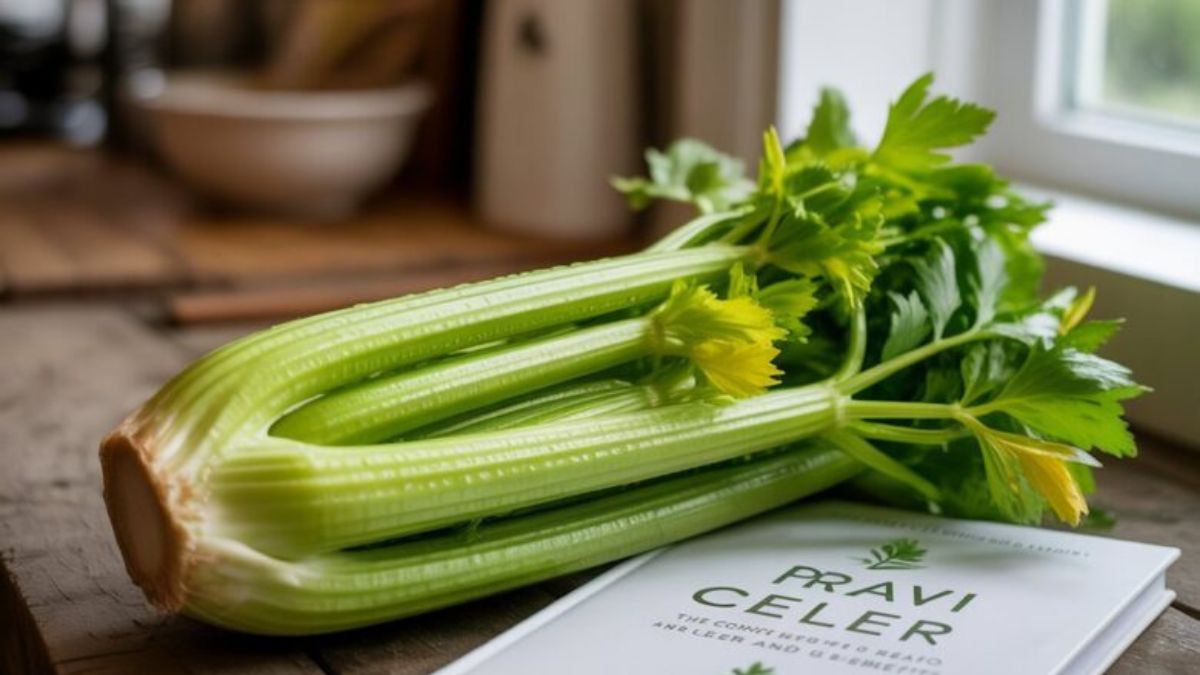
Welcome to the delightful world of Pravi Celer, a culinary gem that brings together vibrant flavors and wholesome ingredients. Nestled in the heart of its community, Pravi Celer stands as a testament to passion for cooking and commitment to health. Founded by an innovative chef with roots deep in tradition, this restaurant is more than just a dining spot; it’s an experience that celebrates food at its finest.
Imagine stepping into a space where every dish tells a story—a story woven from fresh, local produce and seasonal delights. At Pravi Celer, each plate is crafted with care and creativity, inviting you on a journey through taste while nourishing your body. Join us as we explore the inspiration behind this unique establishment and discover how it marries culinary artistry with health-conscious choices.
The Inspiration Behind Pravi Celer
The story of Pravi Celer begins with a simple yet profound passion for food. Its founder, inspired by childhood memories spent in the kitchen, envisioned a space where culinary art meets heartfelt tradition.
Traveling through vibrant markets and local farms sparked an idea. The desire to create dishes that tell a story became the driving force behind every recipe. Each plate reflects not just flavor but also heritage.
Seasonal ingredients play a pivotal role. They serve as the canvas upon which creativity flows, making every meal unique and fresh. The goal was clear: to honor traditional recipes while reimagining them for modern palates.
Pravi Celer is more than just a restaurant; it’s an ongoing journey driven by love for cooking and community connection. This vision brings people together over shared meals that celebrate life’s flavors in their purest form.
The Importance of Using Fresh, Local, and Seasonal Ingredients
Fresh, local, and seasonal ingredients are the backbone of any great culinary experience. They not only enhance flavors but also tell a story about the region they come from.
When you choose local produce, you support nearby farmers and help sustain the community. This connection fosters a sense of belonging that extends beyond just food on your plate.
Seasonal ingredients bring vibrancy to dishes. They capture the essence of each season, offering tastes that change throughout the year. Imagine biting into a ripe summer tomato or savoring earthy root vegetables in winter.
Furthermore, fresh ingredients boast superior nutritional value. With less time spent in transit and storage, they retain essential vitamins and minerals that can often diminish over time.
Cooking with what’s locally available encourages creativity in the kitchen while promoting sustainability. It’s an approach that honors both tradition and innovation without compromising quality or flavor.
A Look at the Menu: Traditional Dishes with a Modern Twist
At Pravi Celer, tradition meets innovation on every plate. The menu showcases classic dishes reimagined with a contemporary flair. Imagine savoring a rich goulash infused with unexpected spices that awaken your taste buds.
Each dish tells a story, rooted in heritage yet daring to explore new horizons. Take the beloved sarma: tender cabbage rolls filled with locally sourced meats and grains, topped with a zesty tomato reduction that adds an exciting twist.
Vegetarians will not be disappointed either; the roasted vegetable mlinci serves as a vibrant homage to rustic flavors while embracing modern cooking techniques.
Desserts are no exception—think traditional baklava layered with organic honey and pistachios but drizzled with an aromatic cardamom syrup for added depth of flavor. Each bite is crafted to evoke nostalgia while inviting diners into uncharted culinary territory.
Health Benefits of Pravi Celer’s Cuisine
Pravi Celer’s cuisine is a treasure trove of health benefits. Each dish is crafted with fresh ingredients that bring out the natural flavors and nutrients.
The use of seasonal produce ensures that every bite is packed with vitamins and minerals. Ingredients like locally sourced vegetables are rich in antioxidants, which can boost your immune system.
Whole grains often feature on the menu, providing essential fiber for digestive health. This makes meals not only satisfying but also nourishing.
Herbs and spices play a crucial role too. They add depth to dishes while offering anti-inflammatory properties that enhance overall wellness.
By focusing on mindful eating, Pravi Celer encourages diners to savor their food, promoting better digestion and mental well-being. Enjoying each meal here means indulging in flavors that are as good for your body as they are for your palate.
Sustainability Practices at Pravi Celer
At Pravi Celer, sustainability is woven into the fabric of every dish. The restaurant prioritizes eco-friendly practices from sourcing ingredients to waste management.
Local farmers supply fresh produce, reducing carbon footprints and bolstering community ties. This commitment ensures that each meal celebrates regional flavors while supporting sustainable agriculture.
Pravi Celer minimizes plastic use by opting for biodegradable packaging and reusable containers. Guests can enjoy their meals with peace of mind, knowing they are contributing to a healthier planet.
The team actively composts organic waste, turning scraps into nutrient-rich soil for local gardens. This circular approach not only benefits the environment but also enhances the quality of future crops.
Through these initiatives, Pravi Celer sets an example in the culinary world—proving that delicious food can go hand in hand with responsible practices.
The Future of Pravi Celer
The future of Pravi Celer is vibrant and promising. As the culinary landscape evolves, so does their commitment to innovation while honoring tradition. New dishes are on the horizon, inspired by global flavors yet rooted in local ingredients.
Expansion is also part of the vision. Plans for additional locations aim to bring this unique dining experience to more communities. This will allow even more people to enjoy seasonal menus that celebrate freshness.
Collaboration with local farmers remains a cornerstone of their philosophy. Strengthening these partnerships means ensuring quality produce while supporting regional agriculture.
Furthermore, sustainability initiatives will deepen. Expect enhancements in waste reduction practices and eco-friendly packaging options as they strive for a greener footprint.
Pravi Celer’s journey continues, fueled by passion and creativity within every dish served.
Conclusion
Pravi Celer stands as a testament to the beauty of culinary artistry combined with health and sustainability. With its roots deeply embedded in fresh, local ingredients and an unwavering commitment to seasonal produce, it offers an experience that transcends mere dining.
The journey through its menu reveals traditional dishes reimagined for the modern palate. Each bite tells a story—a narrative woven from nostalgia but infused with contemporary flair. Health enthusiasts will find themselves delighted by not only the flavor but also the nutritional benefits packed into every dish.
Moreover, Pravi Celer’s dedication to sustainable practices sets it apart in today’s food scene. By prioritizing environmentally-friendly methods, this restaurant is making strides toward a greener future.
As Pravi Celer continues to evolve, there’s no doubt that it will remain a beloved spot for those seeking both taste and wellness. The fusion of flavors here opens up new avenues for appreciation while honoring age-old culinary traditions. This isn’t just about food; it’s about community, culture, and crafting memorable experiences—one plate at a time.

Nestled in the heart of captivating landscapes, Beit Bart is a hidden gem that beckons photographers from all corners of the globe. With its breathtaking vistas and vibrant culture, this enchanting destination offers an unparalleled canvas for visual storytelling. Whether you’re an amateur snapping photos on your phone or a seasoned professional wielding high-end equipment, Beit Bart presents endless opportunities to capture stunning visuals. Each corner holds secrets waiting to be unveiled through your lens. The charm of this locale is not just in its scenery but also in the stories it tells through light and shadow. Discover why every photographer should make their way to Beit Bart, where creativity knows no bounds and inspiration flows like a gentle breeze through the hills.
The Best Time to Visit Beit Bart for Photography
For photographers, timing is everything. The golden hours of early morning and late afternoon offer the best light in Beit Bart. Soft hues bathe the landscape, creating magical opportunities for stunning shots.
Spring is particularly captivating here. Wildflowers burst into bloom, adding vibrant pops of color against the backdrop of historic architecture and serene landscapes. The weather during this season is also mild, making it comfortable to explore.
Autumn presents a different charm with its rich foliage transforming the scenery into a tapestry of warm tones. Photographers eager for dramatic skies should consider visiting just before or after rain showers when clouds add depth to their images.
Beit Bart hums with life year-round; however, capturing its essence requires planning around these seasonal changes for optimal results. Each moment offers something unique—patience and awareness will reward you handsomely behind the lens.
Must-See Locations in Beit Bart for Photographers
Beit Bart is a treasure trove for photographers seeking inspiration and stunning backdrops. Start your journey at the ancient olive groves, where gnarled trunks create captivating shapes against the golden light.
Next, explore the vibrant local markets. The colors and textures of fresh produce offer endless opportunities for vivid close-ups.
Don’t miss the charming streets lined with historic architecture. Each building tells a story through its intricate details and weathered surfaces.
For landscape lovers, head to nearby hills that provide panoramic views of rolling valleys bathed in soft sunlight during sunset.
The scenic riverbanks are perfect for reflections and serene water shots, especially in early morning fog.
Wildflower fields bloom in springtime, adding splashes of color that can elevate any composition dramatically.
Tips for Capturing Stunning Visuals in Beit Bart
To capture stunning visuals in Beit Bart, timing is everything. Golden hour—just after sunrise and before sunset—provides magical lighting that enhances colors and textures.
Experiment with angles. Don’t just shoot from eye level; get low or find higher vantage points for unique compositions. This can transform an ordinary scene into something extraordinary.
Pay attention to the locals. Their daily life offers candid moments ripe for photography. Building rapport can lead to more intimate shots, capturing genuine expressions and interactions.
Utilize leading lines found in roads or paths to draw viewers’ eyes into your frame. This technique creates depth and guides the viewer’s journey through your photograph.
Embrace spontaneity. Sometimes the best shots are unplanned, so keep your camera ready at all times to seize fleeting moments that tell a story about this vibrant place.
Equipment and Camera Settings for Photographing in Beit Bart
When photographing in Beit Bart, having the right equipment can make all the difference. A DSLR or mirrorless camera is ideal for capturing the stunning landscapes and intricate details of this picturesque location.
Consider bringing a versatile zoom lens that allows you to switch between wide-angle shots of sweeping views and close-ups of unique textures found throughout the area. A tripod is essential for low-light situations, especially during sunrise or sunset when the light creates magical moments.
Don’t forget extra batteries and memory cards; you’ll want to capture every spectacular shot without worrying about running out of power or space.
For settings, shoot in RAW format to give yourself more flexibility during editing. Keep your ISO as low as possible for clearer images, adjusting shutter speed based on lighting conditions. Experiment with aperture settings to create depth in your compositions while ensuring your subject stands out beautifully against Beit Bart’s captivating backdrop.
Capturing the Culture and People of Beit Bart
Beit Bart is a vibrant tapestry of culture, rich traditions, and warm-hearted people. Each corner reveals a story waiting to be told through your lens.
As you roam the bustling markets, take time to engage with local vendors. Their smiles and stories can add depth to your photos. Capture candid moments that reflect daily life; these will resonate with viewers.
Participating in cultural festivals offers another fantastic opportunity. The colors, sounds, and emotions create stunning backdrops for portraits or action shots.
Don’t forget about the children playing in the streets or elders sharing tales on porches. These interactions breathe life into your photography portfolio.
Use natural light during golden hours for softer tones that highlight expressions beautifully. Observing how locals interact can inspire unique compositions that tell Beit Bart’s story authentically.
Editing Techniques for Enhancing your Photos from Beit Bart
Editing your photos from Beit Bart can elevate them to an entirely new level. Start by adjusting the exposure to bring out details in shadows and highlights. A well-balanced image is key.
Color correction plays a vital role too. Enhance the vibrant hues of Beit Bart’s landscapes, making those blues and greens pop without oversaturation.
Consider using cropping techniques to draw attention to your subject or create a more dynamic composition. A tighter frame can often tell a better story.
Don’t shy away from applying filters that resonate with the mood you captured during your shoot. Whether it’s warm tones for sunsets or cooler shades for tranquil scenes, subtle enhancements work wonders.
Sharpening helps define edges, giving clarity to intricate details that might otherwise go unnoticed. Each adjustment should feel intentional—allowing the essence of Beit Bart to shine through in every shot.
Conclusion: Why Every Photographer Should Visit Beit Bart
Beit Bart is a hidden gem for photographers seeking to capture breathtaking visuals. Its diverse landscapes, rich cultural tapestry, and vibrant community provide an endless source of inspiration. Whether you’re drawn to the serene natural beauty or the bustling life of its streets, each corner reveals something new.
Visiting Beit Bart allows photographers to develop their skills while exploring unique compositions and lighting conditions. The local culture offers compelling narratives that enhance your portfolio with authentic stories behind every shot.
If you seek a destination that combines stunning scenery with artistic potential, Beit Bart should be on your radar. Embrace the opportunity to explore this photographer’s paradise; it promises unforgettable moments waiting to be captured through your lens.

The digital landscape is ever-evolving, and one phenomenon has captured the attention of millions: Vçç. This intriguing concept has taken root in our online interactions, transforming how we connect and share ideas. From its humble beginnings to becoming a cultural force, Vçç represents more than just a trend—it’s a reflection of how technology shapes our communication. With its unique charm and growing influence, understanding Vçç can provide insight into where we’re headed as a society. Join us on this journey through the evolution of Vçç and discover what makes it so captivating!
The Emergence of Vçç
Vçç emerged in the digital realm as a response to our craving for authenticity. It began as a niche concept among tech-savvy communities, quickly spreading through social media platforms.
The initial appeal lay in its ability to convey emotions succinctly. Users found it refreshing compared to traditional forms of communication. The simplicity and versatility of Vçç allowed people to express themselves creatively.
As more users adopted this new language, it evolved into a cultural phenomenon. Memes, videos, and posts featuring Vçç started appearing everywhere. Its unique style resonated with diverse audiences across various demographics.
This grassroots movement paved the way for mainstream recognition. Influencers began incorporating Vçç into their content, further solidifying its presence in popular culture. With each passing day, interest grew exponentially as more individuals sought ways to engage with this dynamic form of expression.
The Popularity and Growth of Vçç
Vçç has rapidly transformed from a niche interest to a global phenomenon. Its unique appeal lies in its ability to engage users across different demographics.
The platform’s user-friendly interface fosters creativity and connection. This ease of use encourages participation, drawing in millions who want to share their experiences.
Social media influencers have played a significant role in boosting Vçç’s popularity. Their endorsements create buzz, attracting new users eager to join the trend.
As more individuals embrace this digital space, the growth becomes exponential. The algorithm adapts swiftly, ensuring that engaging content reaches an ever-widening audience.
Moreover, Vçç’s integration with other platforms enhances its visibility. Cross-platform sharing allows for greater exposure and interaction among diverse communities worldwide.
How Vçç Has Changed the Way We Communicate
Vçç has revolutionized communication in ways we never imagined. With its unique format, it encourages brevity and clarity. Messages are shorter, often adorned with vibrant visuals that convey emotions faster than words.
Social interactions have shifted dramatically. People now interact through a blend of symbols and emojis, creating a new language of sorts. This transformation fosters creativity while also posing challenges for nuanced conversations.
The immediacy of Vçç means thoughts can be shared in real-time. Instant feedback is the norm; waiting for replies feels outdated.
Moreover, connections formed through Vçç can transcend geographical barriers. Friendships flourish beyond borders as users come together over shared interests.
In essence, Vçç has fostered a dynamic landscape where communication is both quick and engaging—reflecting our fast-paced digital lives.
Controversies Surrounding Vçç
Vçç has not been without its fair share of controversies. Critics often highlight issues related to privacy concerns. Users’ data can be vulnerable, leading to potential exploitation.
Another major debate revolves around content moderation. The platform faces challenges in managing harmful or misleading information. This raises questions about free speech versus the responsibility of digital platforms.
The influence of Vçç on mental health is also a hot topic. Some studies suggest that excessive use can lead to anxiety and depression among users, especially younger demographics.
There are ongoing discussions about the impact Vçç has on interpersonal relationships. Many argue it fosters superficial connections rather than meaningful interactions. These varying perspectives continue to fuel conversations surrounding this digital phenomenon.
The Impact of Vçç on Society and Culture
Vçç has woven itself into the fabric of modern society. Its influence stretches far beyond digital spaces, changing how we relate to one another.
The platform fosters new forms of expression. Artists and creators now have a unique stage to share their work, reaching global audiences effortlessly. This democratization of creativity is profound.
Social movements also thrive on Vçç. Activists harness its power for awareness and mobilization, making it an essential tool for change. Voices that once went unheard gain momentum.
Culturally, Vçç creates shared experiences among diverse groups. Memes and trends transcend boundaries, creating a collective language that resonates with many.
However, this impact isn’t universally positive. The rapid spread of information can lead to misinformation and polarization within communities.
Navigating these complexities becomes crucial as Vçç continues to evolve in our lives.
Future Predictions for Vçç
The future of Vçç holds immense potential. As digital communication continues to evolve, we can expect Vçç to adapt seamlessly.
Technological advancements will likely enhance its features. Imagine augmented reality integrations that make interactions more immersive and engaging. Users could experience conversations in 3D spaces, adding depth to virtual connections.
Additionally, the rise of artificial intelligence may shape how messages are crafted and shared on Vçç. Personalized content suggestions could streamline discussions, making exchanges smoother than ever.
Furthermore, as global connectivity grows, Vçç might expand its reach across diverse languages and cultures. This could foster a richer tapestry of communication styles within the platform.
With increasing concerns around privacy and data security, it’s crucial for Vçç to prioritize user protection while maintaining an open environment for expression. The evolution ahead promises exciting developments that can redefine our digital interactions in remarkable ways.
Conclusion
Vçç has undeniably carved out a unique space in the digital landscape. What began as a niche concept quickly evolved into a cultural phenomenon that reshapes how we interact and communicate. Its rise to prominence illustrates not only the power of technology but also our collective need for connection.
As Vçç continues to grow, its influence on communication methods will likely deepen. The ongoing debates surrounding this platform highlight both the benefits and challenges it brings to society. While controversies may arise, they often spark discussions that drive innovation and improvement.
Looking ahead, it’s clear that Vçç will keep evolving. Whether it becomes more entrenched in our daily lives or faces new competition from emerging platforms remains to be seen. However, one thing is certain: its impact on society and culture is profound, leaving an indelible mark for years to come.
The future holds many possibilities for Vçç as it adapts alongside changing user needs and technological advancements. Whatever lies ahead, the journey of Vçç promises to be just as dynamic as its past.

Gout can be a painful and disruptive condition, affecting millions around the world. But what if there was a natural solution that could help alleviate those nagging symptoms? Enter Goutabio—a product designed specifically to support health and wellness for those dealing with gout. Imagine waking up each day without the fear of flare-ups or discomfort holding you back. With its unique blend of ingredients, Goutabio aims to empower individuals to reclaim their lives from this chronic condition. Let’s dive deeper into how Goutabio works and discover if it might be the key to your health transformation.
What is Gout and How Does It Affect the Body?
Gout is a type of inflammatory arthritis characterized by sudden and severe pain in the joints. It typically affects the big toe but can also impact other areas like the knees and ankles. The condition arises from an accumulation of uric acid crystals, which form when there’s too much uric acid in the bloodstream.
This excess uric acid can be a result of various factors, including diet, genetics, and certain medical conditions. When these crystals deposit in joints or surrounding tissues, inflammation occurs, leading to intense pain and swelling.
During a gout attack, even light touch may trigger discomfort. Beyond the acute pain episodes, chronic gout can lead to joint damage over time if not managed properly. Awareness of this condition is crucial for maintaining overall health and wellness as it impacts daily life significantly.
The Science behind Goutabio and its Ingredients
Goutabio combines a unique blend of natural ingredients designed to combat gout symptoms effectively. Each component plays a crucial role in promoting wellness.
One key ingredient is cherry extract, renowned for its anti-inflammatory properties. Studies suggest that cherries can lower uric acid levels, potentially alleviating pain and discomfort associated with gout flare-ups.
Another powerful element is turmeric. This spice contains curcumin, which has been shown to reduce inflammation throughout the body. It helps soothe joints affected by gout.
Additionally, Goutabio includes vitamin C and magnesium. Vitamin C supports immune function while also aiding in reducing uric acid concentrations. Magnesium contributes to overall muscle and joint health, ensuring you stay active and nimble.
The synergy between these ingredients creates a holistic approach to managing gout. Together, they work to enhance your body’s natural defenses against this condition without harsh side effects.
Benefits of Goutabio for Health and Wellness
Goutabio offers a variety of benefits that can significantly enhance health and wellness. One key advantage is its ability to manage uric acid levels effectively. Elevated uric acid is often the culprit behind gout flare-ups, and Goutabio helps regulate this naturally.
This supplement also supports joint health by reducing inflammation. Many users report decreased pain during flare-ups, allowing for improved mobility and overall comfort in daily activities.
The unique blend of ingredients promotes not just physical well-being but mental clarity too. Users frequently mention feeling more energized throughout the day, boosting productivity and mood.
Moreover, Goutabio aids in detoxification processes within the body. This cleansing action contributes to an enhanced sense of vitality, ensuring users feel their best both physically and mentally on a daily basis.
How to Incorporate Goutabio into Your Daily Routine
Incorporating Goutabio into your daily routine can be simple and effective. Start by identifying a consistent time each day to take the supplement, whether it’s in the morning with breakfast or before bed.
Mixing Goutabio with your favorite drink can enhance the experience. Add it to smoothies, juices, or even plain water for ease of consumption.
Pairing Goutabio with healthy meals is another great option. Consider having it alongside nutrient-rich foods that support overall wellness.
Tracking your progress in a journal might also prove beneficial. Note any changes you feel over time; this helps keep you motivated and engaged.
Don’t forget to stay hydrated throughout the day. Drinking plenty of water complements Goutabio’s benefits and supports joint health too.
Success Stories from Users of Goutabio
Users of Goutabio have shared transformative experiences that highlight its effectiveness. Many report a significant reduction in gout flare-ups after incorporating it into their routines.
One user, Sarah, was skeptical at first but decided to give Goutabio a try. Within weeks, she noticed less stiffness and fewer painful episodes. Her active lifestyle returned, allowing her to enjoy hiking again.
Another story comes from Mark, who struggled with chronic joint pain for years. After using Goutabio daily, he felt an improvement in mobility and overall wellness. He describes the relief as life-changing.
These personal narratives underline the potential benefits of Goutabio for those seeking natural solutions for their health concerns. Each success story adds to a growing community of satisfied users eager to share how this supplement has positively influenced their lives.
Potential Side Effects and Precautions when Using Goutabio
While Goutabio can offer numerous benefits, it’s important to be aware of potential side effects. Some users may experience mild gastrointestinal discomfort, such as bloating or gas. These reactions can vary from person to person.
Allergies are another consideration. If you have known sensitivities to any ingredients in Goutabio, it’s wise to approach with caution. Always read labels and consult your healthcare provider if you’re unsure.
Proper dosage is crucial for safety. Following the recommended guidelines helps minimize risks while optimizing effectiveness.
Pregnant or nursing women should refrain from using this supplement without guidance from a medical professional. It’s essential to prioritize health during these sensitive times.
Combining Goutabio with other medications may lead to interactions. Discussing your full medication list with a doctor ensures safe use and maximizes wellness benefits.
Where to Purchase Goutabio
If you’re interested in trying Goutabio, you’re likely wondering where to purchase it. Goutabio is available through various platforms. You can find it on the official website, which often features exclusive deals and promotions. This ensures you’re getting a genuine product straight from the source.
Many health and wellness retailers also stock Goutabio both online and in physical stores. A quick search will show you local options as well as e-commerce sites that carry this supplement.
Before making your purchase, consider checking for customer reviews and ratings to ensure you’re choosing a reputable seller. Taking these extra steps can help you feel confident about your decision.
Once you’ve selected your preferred purchasing method, you’ll be one step closer to experiencing the benefits of Goutabio for yourself!
-

 Cast11 months ago
Rico Rodriguez
-

 Episode Guide11 months ago
Halloween episodes
-

 Cast11 months ago
Cast
-

 Guest Star11 months ago
Valentine’s Day episodes
-

 Cast11 months ago
Sarah Hyland
-

 Cast11 months ago
Who is your favourite character?
-

 Guest Star11 months ago
Guest Star: Khamani Griffin
-

 Guest Star11 months ago
Guest Star: Raegan Revord