
Archives
Crocolini: The Fascinating World of Miniature Crocodiles

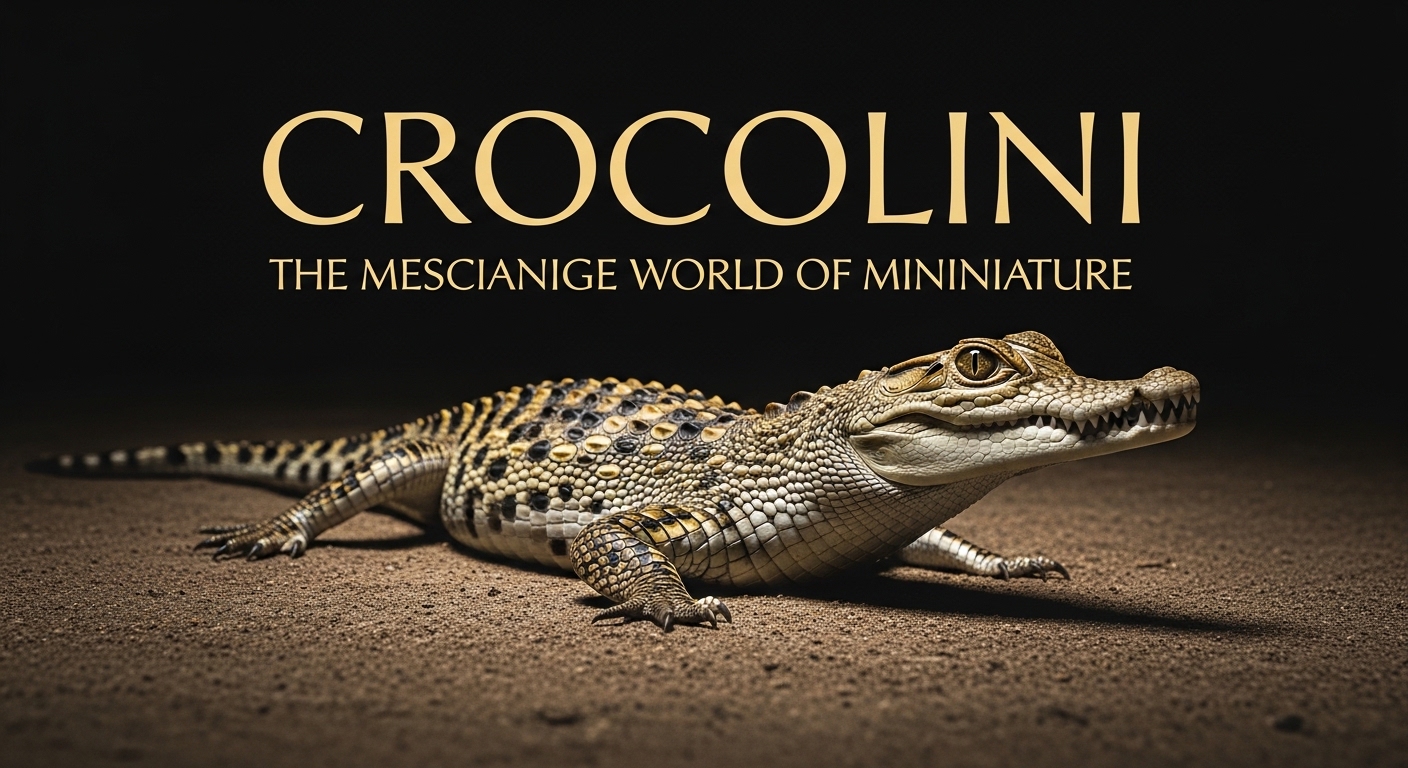
Picture a creature that embodies the fierce power of its larger relatives but fits comfortably in the palm of your hand. Welcome to the captivating world of crocolini! These miniature crocodiles are not just adorable; they’re a fascinating glimpse into how diversity thrives within nature. As we dive deeper into their intriguing lives, you’ll discover what makes these small reptiles so special and why they deserve our attention—both for their ecological role and as potential pets. Buckle up as we explore everything from their species variations to conservation efforts aimed at protecting them!
What are Crocolini?
Crocolini are a captivating group of miniature crocodiles that have recently garnered attention in the pet and wildlife communities. These small reptiles intrigue enthusiasts with their unique charm and distinct characteristics.
While they may resemble their larger relatives, crocolini showcase a smaller stature, usually measuring less than three feet long. Their diminutive size makes them appealing to those interested in exotic pets.
Often found basking on riverbanks or lurking among dense vegetation, these creatures exhibit fascinating behaviors. They possess an array of colors and patterns that vary by species, adding to their allure.
Understanding what sets crocolini apart from traditional crocodilians is essential for anyone curious about keeping them as pets or studying them further. This enchanting group opens up new avenues for appreciation within the diverse world of reptiles.
Species of Miniature Crocodiles
Crocolini, a term used to describe the smaller species of crocodiles, showcases incredible diversity. Among them is the Dwarf Crocodile, known for its compact size and distinct dark coloration. This species thrives in the rainforests of Africa.
Another fascinating example includes the Philippine Crocodile. Though slightly larger than others in this category, it remains relatively small compared to its relatives. Its limited habitat makes it particularly vulnerable.
Then there’s the Freshwater Crocodile from Australia. It exhibits unique adaptations that allow it to live comfortably in freshwater environments while maintaining a playful demeanor.
These miniature reptiles not only captivate with their looks but also contribute significantly to their ecosystems by controlling prey populations and fostering biodiversity within their habitats. Each species plays a crucial role in maintaining ecological balance on our planet.
Appearance and Behavior of Crocolini
Crocolini, often referred to as miniature crocodiles, exhibit a striking appearance. These small reptiles typically measure around 3 to 4 feet in length. Their sleek bodies are adorned with dark green and brown scales that provide excellent camouflage in their natural habitats.
These creatures possess elongated snouts filled with sharp teeth, perfect for catching unsuspecting prey. Despite their size, they display the classic characteristics of larger crocodilian species.
Behaviorally, Crocolini can be quite fascinating. They are mostly solitary animals but can be seen basking together on warm rocks during the day. Their diet consists mainly of fish and small mammals.
While they might seem fierce, Crocolini exhibit playful tendencies when young. They engage in social interactions through head-bobbing and vocalizations that sound like soft hisses or growls. This blend of beauty and behavior makes them captivating subjects for enthusiasts and researchers alike.
Habitat and Distribution
Crocolini thrive in diverse habitats, primarily found in freshwater environments. They are typically spotted in rivers, swamps, and marshes.
These miniature crocodiles prefer warm climates. Regions near tropical and subtropical zones see a higher concentration of Crocolini populations. Their adaptability allows them to inhabit areas with varying vegetation and water conditions.
In Southeast Asia, these creatures have established their presence along riverbanks and coastal mangroves. The lush greenery provides ample cover for hunting and nesting.
Additionally, some species show remarkable resilience to human encroachment. They can often be seen in modified landscapes where natural wetlands meet urban development. This ability makes them more widespread than one might expect.
Understanding their habitat is essential for conservation efforts aimed at protecting these unique reptiles from the threats they face due to environmental changes.
Importance in Ecosystems
Crocolini play a vital role in their ecosystems. As apex predators, they help regulate the populations of various species within their habitats. This balance is crucial for maintaining healthy environments.
Their presence impacts both aquatic and terrestrial ecosystems. By controlling prey numbers, crocolini ensure that no single species overwhelms the food web. This helps sustain biodiversity.
Additionally, these miniature crocodiles contribute to nutrient cycling. Their hunting habits stimulate plant growth by redistributing nutrients through their waste products.
When crocolini thrive, so do other organisms around them. They create a dynamic environment where multiple species can flourish together. Thus, protecting these creatures is essential not just for their survival but also for the health of entire ecosystems in which they reside.
Conservation Efforts for Crocolini
Conservation efforts for crocolini are gaining traction as awareness of their ecological significance grows. These miniature crocodiles play a vital role in maintaining the balance of their ecosystems.
Organizations focused on wildlife conservation have initiated breeding programs to help stabilize crocolini populations. These programs aim to restore natural habitats and ensure genetic diversity among these unique reptiles.
Community involvement is pivotal. Local communities are educated about the importance of protecting crocolini and their environments. This grassroots approach fosters a sense of responsibility toward preserving biodiversity.
Additionally, habitat preservation is critical. Efforts to combat wetlands destruction can significantly impact crocolini survival rates, ensuring they thrive in their natural surroundings.
Research initiatives contribute valuable insights into crocolini behavior and ecology, aiding targeted conservation strategies. By understanding their needs better, we can enhance protective measures tailored specifically for these fascinating creatures.
Caring for Crocolini as Pets
Caring for crocolini as pets requires a unique approach. These miniature crocodiles may be small, but their needs are specific and demanding.
First, ensure they have an appropriate habitat. A spacious aquarium with both water and land areas mimics their natural environment. The water should be clean and heated to maintain optimal temperatures.
Feeding is essential too. Crocolini thrive on a diet of insects, fish, and specially-formulated pellets designed for reptiles. Regular feeding schedules help keep them healthy.
Social interaction plays a part in their well-being as well. While they can be solitary creatures, observing them regularly helps you understand their behaviors and signs of distress.
Regular veterinary check-ups will keep your crocolini in top shape. Since these reptiles can carry diseases that affect humans, maintaining hygiene is crucial when handling them or cleaning their enclosures.
The Controversy Surrounding Keeping Crocolini as Pets
Keeping crocolini as pets sparks intense debate among enthusiasts and animal welfare advocates. On one hand, these miniature crocodiles attract collectors who admire their unique charm.
On the other hand, critics raise concerns about their well-being in captivity. Crocolini require specific habitats that mimic their natural environments. Many pet owners struggle to meet those needs adequately.
Furthermore, there are ethical dilemmas surrounding breeding practices. Some argue that capturing them from the wild disrupts local ecosystems and threatens their populations.
Legal regulations also complicate ownership. In many regions, crocolini are considered exotic animals subject to strict laws.
Potential pet owners must weigh the joy of having such a creature against the responsibilities involved. Ensuring proper care can be daunting for some, leading to discussions on whether they truly belong in homes or should remain in nature’s embrace instead.
Conclusion
When it comes to the world of reptiles, crocolini certainly stands out. These miniature crocodiles capture our imagination with their unique characteristics and behaviors. Understanding what they are and their role in ecosystems adds depth to our appreciation of these fascinating creatures.
As more enthusiasts consider keeping crocolini as pets, it’s essential to weigh both the joys and challenges involved. Responsible ownership goes hand-in-hand with awareness about conservation efforts aimed at protecting their natural habitats.
Whether you’re a casual admirer or an aspiring owner, there’s no denying that crocolini offer a glimpse into a captivating aspect of nature. Their charm is undeniable, inviting curiosity and respect for all wildlife alike.
Whales: Giants of the Ocean
Whales are among the largest and most remarkable animals on Earth. These marine mammals live in oceans around the world, from warm tropical waters to the cold seas surrounding the poles.
Life Beneath the Surface
Although whales spend their lives in water, they breathe air through blowholes located on top of their heads. They must regularly return to the surface to breathe before diving again in search of food or traveling through the ocean.
Whales are warm-blooded, give birth to live young, and nurse their calves with milk. A thick layer of fat called blubber helps protect them from cold water and stores energy during long migrations.
Two Main Groups
Whales are generally divided into baleen whales and toothed whales. Baleen whales filter small animals from the water using flexible plates inside their mouths. This group includes blue whales, humpback whales, and gray whales.
Toothed whales use teeth to catch fish, squid, and other prey. Many of them also use echolocation, producing sounds and listening for returning echoes to understand their surroundings. Sperm whales, belugas, and orcas belong to this group.
The Blue Whale
The blue whale is the largest known animal to have ever lived. An adult can grow longer than a city bus and weigh well over one hundred tonnes. Despite its enormous size, it feeds mainly on tiny crustaceans called krill.
Communication and Migration
Whales communicate using clicks, whistles, pulses, and complex songs. Some sounds can travel across great distances underwater. Humpback whales are especially famous for their long, patterned songs.
Many species migrate thousands of kilometres each year. They often feed in cold, nutrient-rich waters before traveling to warmer regions where they mate and give birth.
Protecting Whales
Commercial hunting once caused severe declines in many whale populations. Today, whales also face threats from fishing gear, ship collisions, underwater noise, pollution, and changes to ocean ecosystems.
Conservation programs, safer fishing practices, protected habitats, and international cooperation can help whale populations recover. Protecting whales also supports healthier oceans because these animals play an important role in marine food webs and nutrient cycles.

If you’re a fan of Telugu cinema, you’ve probably heard of Ibomma. This online streaming platform has gained immense popularity among movie enthusiasts for its vast collection of films and shows. Whether you’re in the mood for the latest blockbusters or timeless classics, Ibomma offers something for everyone. But with so many options available, how can you ensure that your viewing experience is smooth and enjoyable? In this guide, we’ll explore tips and tricks to help you make the most out of your time on Ibomma, along with some insights into what makes this platform stand out in the crowded world of streaming services. Get ready to dive into an exciting adventure filled with cinematic gems!
What is Ibomma?
Ibomma is an online streaming platform that specializes in Telugu content. It caters primarily to fans of Telugu cinema and television, providing a vast library of movies, web series, and shows. Users can easily access both new releases and classic favorites.
The website focuses on delivering high-quality video streaming for audiences who want to enjoy their favorite films from the comfort of home. With user-friendly navigation, finding specific titles or genres becomes effortless.
Ibomma stands out due to its commitment to bringing regional content directly to viewers. This makes it a go-to source for anyone looking to immerse themselves in the rich culture and storytelling traditions unique to Telugu media. Whether you’re seeking drama, romance, or comedy, Ibomma has something tailored just for you.
The Popularity of Ibomma
Ibomma has taken the Telugu film industry by storm. Its user-friendly interface and vast library of content make it a go-to platform for many.
Users flock to Ibomma for its collection of the latest movies, classic hits, and regional shows. This diverse range appeals not just to die-hard fans but also casual viewers seeking quality entertainment.
The accessibility on multiple devices enhances its popularity further. Whether you’re on your smartphone or tablet, streaming is smooth and convenient.
Social media buzz plays a significant role too. Word-of-mouth recommendations fuel interest among new users who are eager to discover what’s trending in Telugu cinema.
Ibomma’s focus on delivering high-quality streams has garnered positive reviews from audiences everywhere. As more people seek alternatives to traditional viewing options, this platform continues to thrive in today’s digital landscape.
How to Access and Navigate the Website
Accessing Ibomma is straightforward. Start by typing the URL into your browser. A quick search will also lead you to the site if you’re unsure of the link.
Once on the homepage, take a moment to familiarize yourself with its layout. You’ll notice various categories and sections that make finding content easier. Whether you’re looking for new releases or classics, everything is organized neatly.
Use the search bar at the top for specific titles or actors. It’s efficient and saves time when browsing through extensive collections.
Navigating through genres can be enjoyable too. Click on any category that piques your interest, and explore what’s available.
Don’t forget to check out user reviews as they often provide insights about each film or series before you dive in!
Tips for Optimal Viewing Experience
For the best experience on Ibomma, start with a stable internet connection. A fast and reliable network can significantly reduce buffering issues.
Adjust your screen settings for clarity. Increase brightness and contrast to enhance visual quality. Don’t forget to check the resolution options available for each stream.
Consider using headphones or external speakers for better sound quality. Immersive audio elevates your viewing enjoyment.
Utilize features like subtitles when needed. They can help understand dialogues better, especially in fast-paced scenes or regional accents.
Create a distraction-free environment. Dimming lights and minimizing noise can make all the difference as you dive into your favorite films or shows on Ibomma.
Benefits of Using Ibomma for Streaming Telugu Content
Ibomma stands out as a prime platform for streaming Telugu content. It offers an extensive library that caters to varied tastes, including the latest blockbusters and timeless classics.
One significant advantage is accessibility. Users can enjoy their favorite films and shows from the comfort of home or on-the-go, making it perfect for busy schedules.
Additionally, Ibomma provides high-quality streams. Viewers can expect clear visuals and crisp audio, enhancing the overall experience.
The platform also frequently updates its collection. This means fans won’t miss out on new releases or trending titles within the Telugu film industry.
Another benefit is user-friendly navigation. The intuitive layout allows even tech novices to find what they’re looking for quickly without hassle.
It’s often free of charge! This affordability makes it a popular choice among those seeking quality entertainment without breaking the bank.
Common Troubleshooting Issues and Solutions
Streaming on Ibomma can sometimes present a few hiccups. One common issue is buffering. This often occurs due to slow internet speed. To remedy this, try restarting your router or switching to a wired connection for better stability.
Another frequent problem is video playback errors. If you face this, clearing the browser cache might help significantly. Simply go into your settings and remove temporary files that could be causing interference.
Some users encounter difficulties accessing specific content due to geo-restrictions. A reliable VPN can bypass these limitations, allowing access from different regions seamlessly.
If the website isn’t loading at all, check if it’s undergoing maintenance or facing server issues. Often refreshing the page after a while resolves such problems without any hassle.
Conclusion
Ibomma has undoubtedly carved a niche for itself in the streaming landscape, especially among Telugu film enthusiasts. Its extensive library and user-friendly interface make it an attractive option for viewers looking to enjoy their favorite movies and shows.
By understanding how to navigate the site effectively and implementing tips for an optimal viewing experience, users can enhance their enjoyment significantly. From ensuring stable internet connections to exploring various device compatibility options, there are many ways to elevate your Ibomma experience.
The benefits of using Ibomma extend beyond just access to content; they include convenience and affordability that traditional streaming platforms may not offer. Plus, with solutions available for common troubleshooting issues, you can resolve potential hiccups swiftly.
As more people discover the joys of streaming on Ibomma, its popularity will likely continue growing. Embrace this platform as a reliable source of entertainment tailored specifically for Telugu audiences. Whether it’s blockbuster hits or indie gems, there’s something here for everyone ready to dive into the world of Telugu cinema.

Garret Barnes stands at the forefront of modern art, a name synonymous with innovation and transformation. His unique vision has redefined artistic boundaries, captivating audiences worldwide. But who is Garret Barnes? What drives his creativity? Join us as we delve into the life and work of this remarkable artist, exploring his journey from humble beginnings to becoming a pivotal figure in contemporary art. With each brushstroke and concept, he challenges conventions, inspiring both admiration and debate within the art community. Get ready to uncover how Garret Barnes reshaped our understanding of modern artistry forever.
Early Life and Influences
Garret Barnes was born into a family that valued creativity. Growing up in an artistic household, he was surrounded by various forms of expression. His parents encouraged exploration, nurturing his curiosity from a young age.
As a child, Garret often wandered through vibrant galleries and art fairs. He soaked in the colors and emotions displayed around him. This exposure ignited a passion for visual storytelling that would shape his future endeavors.
Influential figures marked his journey early on. Mentors introduced him to avant-garde movements and unconventional techniques. Their guidance opened doors to new ideas, leading Garret to blend tradition with innovation.
Nature also played a pivotal role in his development as an artist. Long walks in the park sparked inspiration for many of his concepts later on. The beauty of simplicity became evident through these moments spent outdoors, shaping how he viewed art itself.
The Birth of the Barnes Method
The Barnes Method emerged as a revolutionary approach to modern art. Garret Barnes, driven by a desire for innovation, sought to break away from traditional techniques.
His method combined various mediums and styles. This fusion created a dynamic visual language that resonated with many artists. By embracing experimentation, he encouraged others to explore their creativity without constraints.
Barnes introduced concepts such as layering and texture manipulation. These elements added depth and dimension to his pieces, pushing the boundaries of contemporary art. His focus on process over perfection inspired countless creators.
As word spread about the Barnes Method, workshops began popping up across cities. Artists flocked to learn from Barns himself or experienced practitioners who embraced his philosophy.
This newfound technique opened doors previously thought closed in the art world. The excitement surrounding it ignited discussions on what constitutes true artistic expression.
Impact on the Art World
Garret Barnes has made waves in the art world, transforming perceptions and pushing boundaries. His innovative techniques have sparked a new dialogue among artists and critics alike.
Many view his work as a bridge between traditional artistry and modern expression. By blending various mediums, he invites audiences to explore their own interpretations. This fusion has encouraged other artists to think outside conventional frameworks.
Barnes’ impact extends beyond his artwork alone. He has inspired countless workshops that focus on experimentation and creativity. Emerging artists find motivation in his fearless approach.
Critics may argue about the accessibility of some pieces, yet they cannot deny his influence on contemporary movements. Galleries now showcase works that reflect Barnes’ ethos: innovation over tradition.
His ability to challenge norms continues to resonate with both creators and admirers in the ever-evolving landscape of modern art.
Evolution of His Work
Garret Barnes’ artistic journey is a testament to relentless experimentation. His early works showcased vivid colors and abstract forms, capturing the attention of critics and collectors alike.
As he delved deeper into modern art, his style began to shift dramatically. He started incorporating mixed media elements, blending traditional painting with digital techniques. This innovative approach allowed him to challenge conventional boundaries.
Barnes also drew inspiration from technology and social issues, embedding narratives within his pieces that resonated with contemporary audiences. His later work often featured interactive installations that invited viewer participation, transforming spectators into active participants in the art experience.
Each phase of his evolution reflects not only personal growth but also an unwavering commitment to pushing artistic frontiers. Garret’s dynamic body of work continues to inspire countless artists looking for their own unique paths in the ever-changing landscape of modern art.
Controversies and Criticisms
Garret Barnes has faced his share of controversies throughout his career. Critics often question the authenticity of his innovative techniques, claiming they overshadow traditional practices in modern art.
Some purists argue that the Barnes Method dilutes artistic integrity. They believe it prioritizes commercial success over genuine expression. This tension sparked heated debates within artistic communities.
Additionally, accusations of elitism have surfaced. Detractors suggest that Barnes’ work is inaccessible to everyday art lovers due to its complex nature and high price points.
Barnes himself has responded by emphasizing inclusivity and engagement through workshops and community projects. He insists that innovation can coexist with tradition, pushing boundaries while remaining grounded in artistic fundamentals.
Despite this ongoing discourse, many fans appreciate how he challenges conventional norms and encourages dialogue about what art can be today.
Legacy and Influence on Future Artists
Garret Barnes has left an indelible mark on the world of modern art. His innovative techniques and fearless exploration have inspired countless emerging artists to push boundaries.
Many young creators now adopt his principles, blending traditional methods with avant-garde concepts. This fusion encourages a fresh dialogue in the artistic community.
Barnes’ workshops and mentorship programs further amplify his influence. Artists who once looked up to him are now carrying forward his legacy, fostering creativity among their peers.
His approach challenges conventions, urging future generations to seek authenticity in their work. The spirit of experimentation he championed continues to resonate deeply within contemporary art circles.
As new talent rises, echoes of Garret Barnes’ vision can be seen everywhere—from galleries to street murals—making it clear that innovation is at the heart of artistry today.
Conclusion: Garret Barnes’ Enduring Legacy in Modern Art
Garret Barnes has left an indelible mark on the landscape of modern art. His innovative approaches and unique techniques have not only challenged traditional norms but also inspired a new generation of artists. Through the Barnes Method, he redefined creativity, blending technology with artistic expression.
The impact of his work reaches far beyond galleries and exhibitions. It resonates in classrooms, studios, and even online platforms where emerging artists find their voice. Despite facing controversies and criticisms throughout his career, Barnes remained steadfast in his vision. This resilience has become a cornerstone for many who seek authenticity in their craft.
As we look to the future of modern art, Garret Barnes’ influence is undeniable. He encouraged countless individuals to think outside conventional boundaries while exploring their creative instincts. The legacy he crafted will continue to inspire innovation for years to come—a testament to the power of imagination in shaping our world through art.