
Archives
Tariffs: What They Are and How They Impact Global Trade

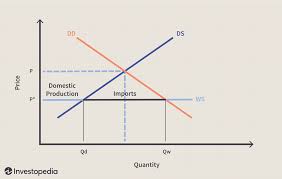
Tariffs are often a hot topic in discussions about global trade. They can affect prices, influence industries, and change the way countries interact with one another economically. But what exactly are tariffs? How do they function within international markets? Understanding tariffs is essential for anyone interested in the world economy.
As nations navigate complex trade relationships, these levies play a crucial role in shaping both domestic and global economic landscapes. Whether you’re a business owner looking to import goods or simply someone curious about how international economics works, grasping the concept of tariffs will help you make sense of today’s interconnected marketplace. Let’s dive deeper into this intriguing subject and uncover the layers behind tariffs and their impact on global trade.
History of Tariffs and Their Purpose
The concept of tariffs dates back centuries. Ancient civilizations imposed taxes on goods traded across borders, using them as a source of revenue and a means to protect local industries.
In the Middle Ages, European countries applied tariffs to regulate trade routes and control market prices. These early forms often favored domestic producers while restricting foreign competition.
During the 18th and 19th centuries, tariffs played a crucial role in shaping economic policies. Nations sought to build their own industries through protective measures, leading to fierce debates about free trade versus protectionism.
As globalization took off in the late 20th century, many governments began lowering tariffs. The aim was clear: foster international cooperation and mutual growth by making markets more accessible.
Yet tariffs have never disappeared entirely; they remain tools for national policy—reflecting both political landscapes and economic strategies throughout history.
Types of Tariffs
Tariffs can be classified into several types, each serving distinct purposes in international trade.
Ad valorem tariffs are calculated as a percentage of the value of the imported goods. This type adjusts with market prices, making it flexible and common for various products.
Specific tariffs impose a fixed fee per unit imported, regardless of its value. This straightforward approach simplifies calculations but may have varying impacts on different products.
Another type is compound tariffs that combine both ad valorem and specific components. These can target particular economic conditions or industries more effectively than other tariff types alone.
Protective tariffs aim to shield domestic industries by raising import costs, encouraging consumers to buy local alternatives instead. Each category reflects strategic choices countries make to navigate complex global markets while balancing revenue needs and domestic interests.
Impact of Tariffs on Global Trade
Tariffs play a significant role in shaping global trade dynamics. When imposed, they increase the cost of imported goods, often leading to higher prices for consumers. This can shift purchasing patterns and affect demand.
Countries facing high tariffs may retaliate with their own tariff measures. This tit-for-tat strategy escalates trade tensions and can lead to reduced international cooperation. The ripple effects extend beyond nations; businesses may struggle to navigate these changes.
Moreover, tariffs can disrupt supply chains. Companies reliant on foreign materials might find production costs soaring. Such disruptions not only impact profits but also innovation as firms concentrate on survival rather than growth.
In emerging markets, tariffs can stifle development by limiting access to advanced technology from industrialized nations. Access becomes restricted when imports are penalized, hindering economic progress and competitiveness on a global scale.
Case Studies: Examples of Tariff Impositions and Effects
In 2018, the United States imposed tariffs on steel and aluminum imports, citing national security concerns. This decision aimed to protect domestic industries. However, it led to retaliatory tariffs from countries like China and Canada. As a result, American farmers faced challenges selling their products abroad.
Another compelling example is the European Union’s tariff on US goods during the Airbus-Boeing dispute. The EU targeted iconic American products such as whiskey and motorcycles. Companies in these sectors experienced declining sales due to increased prices for consumers.
China’s recent tariffs on Australian wine highlight another layer of complexity. After political tensions rose, Chinese authorities levied heavy duties that crippled an industry reliant on exports.
These case studies illustrate how tariffs can create ripple effects across economies and industries. Each imposition brings unique consequences that shape global trade dynamics in unforeseen ways.
Criticisms and Controversies Surrounding Tariffs
Tariffs often spark heated debates among economists, policymakers, and the public. Critics argue that imposing tariffs can lead to higher prices for consumers. When taxes are levied on imported goods, businesses typically pass those costs onto shoppers.
Moreover, tariffs can create tension between countries. Trade wars may ensue when nations retaliate against each other’s tariffs. This back-and-forth can disrupt global supply chains and reduce international cooperation.
Another point of contention is their impact on domestic industries. While some sectors might benefit from reduced foreign competition, others could suffer due to increased material costs or diminished export opportunities.
Environmental concerns also arise with tariff policies. They may encourage local production at the expense of sustainable practices abroad. As countries focus on protecting their own economies, they might overlook broader environmental responsibilities.
These complexities make it clear that the conversation around tariffs is anything but straightforward.
Conclusion: The Future of Tariffs in Global Trade
The future of tariffs in global trade appears to be a complex and evolving landscape. As countries navigate economic challenges, the role of tariffs is likely to shift in response to changing political climates and market demands.
In recent years, we’ve seen a resurgence in tariff implementation as nations strive to protect domestic industries. This trend may continue as governments emphasize self-sufficiency and resilience against global supply chain disruptions. However, the implications for international relations could be significant.
Trade agreements might also evolve. Countries are increasingly recognizing that collaborative efforts can yield mutual benefits while minimizing tension associated with tariff impositions. The balance between protectionism and free trade will remain delicate.
Additionally, technological advancements could alter how tariffs are applied and monitored. Digital tools may facilitate more efficient customs processes or enable better tracking of goods crossing borders.
As economies grow more interconnected, discussions around fair trade practices will intensify. Tariffs should not serve merely as tools for economic warfare but rather as instruments that promote equitable growth among nations.
Understanding the nuances surrounding tariffs will become essential for businesses and policymakers alike as they prepare for what lies ahead in global trade dynamics.

Have you ever caught yourself showering your furry friend with affection, thinking about how they’ve captured your heart? That feeling of joy and connection is often referred to as “pet lust.” It’s a term that perfectly encapsulates the deep bond we share with our pets. Whether it’s cuddling on the couch or taking long walks in the park, these moments create an undeniable attachment. But what drives this intense emotion? Let’s dive into the fascinating world of pet lust and explore why our lives are so enriched by these four-legged companions.
The Science Behind Our Love for Pets
Our affection for pets runs deeper than mere companionship. Scientific studies reveal that interacting with animals triggers the release of oxytocin, often referred to as the “love hormone.” This powerful neurotransmitter promotes bonding and emotional connection.
Moreover, when we pet our furry friends, dopamine levels rise. This chemical is associated with pleasure and reward, explaining why cuddling a dog or cat can instantly elevate our mood.
Evolutionary theories suggest humans have coexisted with pets for thousands of years. Through this relationship, we’ve cultivated mutual benefits—protection and companionship on one side; love and care on the other.
Pets also provide a sense of purpose. For many people, nurturing an animal creates routine and responsibility—essential elements in fostering happiness. The bond formed transcends words; it’s a silent language understood by both human hearts and paws alike.
The Evolution of the Human-Pet Relationship
Throughout history, the bond between humans and pets has transformed dramatically. What began as a simple alliance for protection and sustenance evolved into a complex emotional connection.
Early on, animals served practical roles. They helped with hunting and guarding homes from threats. Over time, domestication shifted this relationship toward companionship.
As societies advanced, the focus moved beyond utility. Pets became symbols of status and affection in households across cultures. Cats prowled alongside ancient Egyptians while dogs were revered by various civilizations.
Today, our furry friends are more than just companions; they’re family members. The rise of pet culture highlights how integral these relationships have become in modern life—think dog parks or cat cafes!
This evolution reflects not only changes in society but also our deep-rooted need for connection and love that transcends species boundaries. Pets fill an emotional void many people experience in today’s fast-paced world.
Benefits of Owning a Pet
Owning a pet can transform your life in countless ways. First and foremost, pets bring joy and companionship into our homes. Their unconditional love creates a bond that enriches daily living.
Additionally, pets encourage physical activity. Dogs need walks, which means you’re moving more often. This simple act promotes better cardiovascular health for both of you.
Mental well-being also sees a boost with furry friends around. Pets can reduce feelings of loneliness and anxiety through their mere presence. Just stroking a cat or playing fetch with a dog releases feel-good hormones like oxytocin.
Moreover, having pets fosters responsibility and routine. They rely on us for food, exercise, and care, which helps establish structure in our lives.
The laughter they inspire is immeasurable. Whether it’s playful antics or snuggly moments on the couch, these delightful creatures make every day brighter.
How to Show Your Pet Love and Affection
Showing love to your pet goes beyond simple care. It’s about building a bond that enhances both your lives.
Spend quality time together. Play fetch in the park or cuddle on the couch. These moments create lasting memories and deepen your connection.
Physical touch matters, too. Gentle pets, belly rubs, or ear scratches can make your furry friend feel cherished and secure.
Training sessions offer another way to express affection while stimulating their minds. Use positive reinforcement techniques with treats or praise to cultivate trust and respect.
Don’t forget about surprises! A new toy or a special treat can brighten their day and show you’re thinking of them.
Always listen intently when they communicate through barks, meows, or body language. Recognizing their needs fosters mutual understanding and strengthens your relationship further.
Potential Dangers of Pet Lust
While the bond with our pets can be incredibly fulfilling, there are potential dangers associated with pet lust that deserve attention. This affection can sometimes lead to unhealthy behaviors. Overindulgence in treats or neglecting exercise for our furry friends may result in obesity and related health issues.
Another risk lies in emotional dependence. Relying too heavily on a pet for companionship can hinder social interactions with other people. It might create an imbalance where personal relationships fade away.
Financial strain is also a concern. Pet ownership comes with responsibilities, and excessive spending on luxuries instead of essentials could place a burden on finances.
It’s essential to recognize boundaries when expressing our love for pets. For some individuals, crossing those lines might lead to inappropriate attachment or behavior that isn’t healthy either for them or their animals. Awareness is key to maintaining a balanced relationship.
Conclusion: Embracing the Special Bond Between Humans and Pets
Our connection to pets runs deep, transcending mere companionship. The bond we share is a tapestry woven from affection, loyalty, and mutual understanding. Every wag of a tail or gentle purr brings joy that enriches our lives in ways words can hardly describe.
As we explore the phenomenon of pet lust, it’s crucial to appreciate these relationships for what they truly are: partnerships filled with love and shared experiences. Whether you cuddle your cat on a lazy afternoon or take your dog for an invigorating walk in the park, each moment strengthens this special bond.
Understanding the layers behind our affection helps us nurture these relationships even further. As responsible pet owners, recognizing both our emotional attachment and the needs of our furry friends ensures a harmonious coexistence where everyone thrives.
Embracing this unique relationship allows us not only to celebrate our pets but also to learn about ourselves along the way. The journey of pet ownership transforms into a rewarding adventure that enhances every aspect of life—reminding us all to cherish those who bring unconditional love into our world.

Looking for a daily dose of inspiration? Look no further than Quotela.net. This platform is your ultimate destination for uplifting quotes that can brighten your day and spark motivation. Whether you need encouragement during tough times or simply want to reflect on the wisdom of great thinkers, Quotela.net has you covered. With an extensive collection of quotes from various categories, you’re bound to find something that resonates with you. Let’s dive into what makes this site a must-visit for quote enthusiasts everywhere!
The Benefits of Using Quotela.net
Quotela.net offers a treasure trove of inspiration at your fingertips. With its user-friendly interface, finding the perfect quote becomes effortless.
This platform is designed for everyone—whether you’re seeking motivation for personal growth or words to uplift friends. The vast selection caters to diverse tastes and needs.
Engaging with quotes can spark creativity and positivity in daily life. Quotela.net encourages this by providing easy access to thought-provoking expressions from various thinkers.
Moreover, users can explore different categories tailored to specific emotions or situations. This makes it simple to find exactly what resonates with you at any moment.
Another key benefit is the community aspect. Sharing favorites and discovering new ones fosters connections among like-minded individuals eager for inspiration.
A Variety of Categories and Topics
Quotela.net offers an impressive selection of categories and topics to inspire every visitor. Whether you’re seeking wisdom, motivation, or simply a spark of creativity, you’ll find it here.
Explore themes like love, perseverance, success, and friendship. Each category is thoughtfully curated to resonate with different emotions and stages in life.
If you’re feeling reflective or need a boost during tough times, Quotela.net has got you covered. The diverse range ensures that everyone can discover quotes that speak directly to their experiences.
You can easily navigate through the platform’s user-friendly interface. This makes finding the perfect quote for any occasion quick and enjoyable.
Whether for personal use or social media sharing, there’s something for everyone at Quotela.net. Dive into this treasure trove of inspiration today!
Inspirational Quotes from Famous Figures
Quotela.net is a treasure trove of wisdom from influential personalities. Whether you seek the motivation of great leaders or the creativity of renowned artists, you’re bound to find something that resonates.
Imagine scrolling through quotes by figures like Maya Angelou, Albert Einstein, or Steve Jobs. Each phrase encapsulates a profound insight or life lesson that can spark inspiration in your daily routine.
The platform allows users to easily search for quotes tailored to their specific needs. Need encouragement? There’s a quote for that. Looking for guidance on innovation? You’ll discover thoughts from some of the greatest minds in history.
These powerful words have stood the test of time and continue to ignite passion and drive today. They remind us that we are part of a larger narrative filled with dreams, challenges, and victories waiting to be explored.
Personalized Quote Creation Feature
Quotela.net offers a unique feature that allows users to create personalized quotes. This tool is perfect for anyone looking to express their thoughts or feelings in a meaningful way.
With just a few clicks, you can craft your own message. Choose the style and tone that resonates with you. Whether it’s motivational, humorous, or reflective, the options are endless.
Once you’ve created your quote, share it effortlessly across social media platforms. Imagine inspiring friends and followers with words straight from your heart.
This feature not only encourages creativity but also fosters self-expression. It’s a fantastic way to encapsulate personal experiences or insights into something memorable and shareable on Quotela.net.
Community Engagement and Sharing Options
Quotela.net fosters a vibrant community where users can connect over their shared love for quotes. Engaging with others is easy, whether you’re commenting on your favorite lines or discussing interpretations.
The platform encourages sharing quotes across social media channels. With just a click, you can inspire friends and followers with wisdom that resonates deeply. This feature amplifies the reach of powerful words, creating ripples of motivation online.
Users also have the option to create personalized profiles. Here, they can curate collections of quotes that speak to them most profoundly. This creates a sense of ownership and pride in their unique tastes.
Community challenges and quote contests further enhance user interaction. These initiatives not only spark creativity but build camaraderie among members who appreciate language’s beauty together.
Conclusion
Quotela.net serves as a powerful resource for anyone seeking inspiration. The platform combines an extensive selection of quotes with user-friendly features that make it easy to find the perfect words to uplift your spirits or motivate you through challenges.
With its diverse categories and topics, Quotela.net caters to every mood and occasion. Whether you’re looking for wisdom from historical figures or contemporary thinkers, you’ll find something that resonates with you.
The ability to create personalized quotes adds another layer of creativity and engagement. Users can express their unique thoughts while sharing them within a vibrant community.
Sharing options enable friends and followers to discover quotes that inspire you personally, fostering connections based on shared values and motivations.
Choosing Quotela.net means accessing a wealth of knowledge, support, and encouragement right at your fingertips. It’s not just about reading inspiring words; it’s about becoming part of a larger narrative that celebrates positivity in everyday life.

Are you tired of the hassle that comes with traditional shopping and shipping? Look no further than Renvoit.com, a game-changer in the online marketplace. Whether you’re looking for unique products or need an efficient way to send items across borders, this platform has got your back. With its user-friendly interface and innovative features, Renvoit.com is transforming how we shop and ship.
In this blog post, you’ll discover everything you need to know about getting started with Renvoit.com. From signing up to understanding the shipping process, we’ve got tips and tricks that will enhance your experience on this amazing site. Let’s dive into what makes Renvoit.com an essential tool for savvy shoppers like you!
What is Renvoit.com?
Renvoit.com is an innovative online platform designed to simplify shopping and shipping for users around the globe. It connects buyers with a diverse range of products while offering streamlined logistics services.
What sets Renvoit apart is its commitment to making cross-border transactions easier than ever. Users can access items from various sellers, all consolidated in one place. This means no more juggling multiple websites or worrying about complicated shipping processes.
The site features a user-friendly interface that caters to both seasoned online shoppers and newcomers alike. With just a few clicks, you can explore categories ranging from electronics to fashion.
Additionally, Renvoit.com emphasizes security and transparency throughout your shopping journey. With real-time tracking updates and reliable customer support, it’s no wonder many are turning to this platform for their e-commerce needs.
How to Sign Up and Create an Account
Signing up for renvoit com is a straightforward process. First, visit the website and look for the “Sign Up” button on the homepage. Click it to get started.
You’ll be prompted to enter your email address and create a password. Make sure to choose a strong password that you can remember but is hard for others to guess.
After filling in those details, check your inbox for a confirmation email from renvoit com. Click on the link provided in that email to verify your account.
Once verified, you can log in using your credentials. Don’t forget to explore profile settings where you can add shipping addresses or payment methods later on.
Creating an account opens doors to better tracking of shipments and access to exclusive offers tailored just for you. Enjoy navigating through this user-friendly platform!
The Benefits of Using Renvoit.com
Renvoit.com offers a range of advantages that stand out in the crowded online marketplace. First and foremost, it simplifies international shipping. Users can easily send packages across borders without hassle.
Another benefit is the competitive pricing. With various shipping options available, customers can choose solutions that fit their budget while ensuring timely delivery.
The platform also boasts user-friendly navigation. This makes it easy for newcomers to find what they need quickly, reducing frustration during the process.
Additionally, Renvoit.com takes security seriously. The site incorporates advanced encryption technologies to protect personal information and transaction details.
Customer support sets Renvoit apart from many competitors. Their dedicated team is readily available to assist users with inquiries or issues that may arise along the way.
Tips for Using Renvoit.com Effectively
To maximize your experience on Renvoit.com, start by exploring the platform thoroughly. Familiarize yourself with all its features. This knowledge will help you navigate seamlessly.
Next, take advantage of promotions or special offers that may be available. Signing up for newsletters can keep you updated on any deals or discounts.
When placing an order, double-check your details before finalizing it. Accuracy ensures a smoother shipping process and avoids unnecessary delays.
Utilize customer support if you encounter issues. The team is there to assist you promptly and efficiently.
Engage with the community features if they are available. Connecting with other users can provide valuable insights and tips for using Renvoit.com even better.
Understanding the Shipping Process
Understanding the shipping process on Renvoit.com is essential for a smooth experience. Once you place an order, it gets processed quickly. The platform prioritizes efficiency to ensure your items reach you in good time.
You can track your shipment through the website. This feature allows you to monitor progress and estimated delivery dates easily. Transparency is key; knowing where your package is helps reduce anxiety.
Shipping options vary based on location and urgency. Choose the one that fits your needs best—whether it’s standard or expedited shipping.
Additionally, customs procedures may apply depending on where you’re ordering from and shipping to. Be prepared for possible delays if crossing borders.
Don’t forget about potential fees associated with international shipments. Familiarizing yourself with these details will make navigating the entire process much more manageable.
Customer Reviews and Testimonials
Customer reviews and testimonials play a crucial role in understanding the value of renvoit com. Users often share their experiences, highlighting both positive aspects and areas for improvement.
Many customers appreciate the user-friendly interface that simplifies the shipping process. They frequently mention how easy it is to navigate through different options offered by Renvoit.com.
Others point out the efficiency of customer support. Quick responses to inquiries can make a significant difference when dealing with shipping concerns or questions about services.
Negative feedback tends to focus on occasional delays in delivery times. However, users understand that such issues can arise due to various external factors beyond control.
These insights help potential users gauge what they might expect while using Renvoit.com. The blend of praise and constructive criticism fosters trust among new customers looking for reliable shipping solutions.
Conclusion
Renvoit.com has quickly become a go-to platform for those seeking efficient shipping solutions. Whether you’re sending packages domestically or internationally, the ease of use and range of services offered can simplify your logistics needs significantly.
By signing up for an account, you unlock various benefits that streamline your shipping process. From tracking shipments to managing multiple deliveries in one place, Renvoit.com provides tools that enhance your experience.
Utilizing tips like comparing rates and staying updated on promotions can lead to more cost-effective choices. Understanding how the shipping process works will further empower you when navigating through orders.
Customer reviews highlight satisfaction with both service and support, confirming that many have found success using Renvoit.com as their preferred shipping partner.
With these insights in mind, exploring what this platform offers might just transform how you think about mailing items. Embrace the convenience Renvoit.com brings into your life—shipping has never been easier!
-

 Cast11 months ago
Rico Rodriguez
-

 Episode Guide11 months ago
Halloween episodes
-

 Cast11 months ago
Cast
-

 Guest Star11 months ago
Valentine’s Day episodes
-

 Cast11 months ago
Sarah Hyland
-

 Cast11 months ago
Who is your favourite character?
-

 Guest Star11 months ago
Guest Star: Khamani Griffin
-

 Episode Guide11 months ago
Episode Guide : Season 1