
Archives
Simplicity: The Art of Living with Less in a Complex World


In a world overflowing with choices, distractions, and endless information, the quest for simplicity can feel like a breath of fresh air. Many of us find ourselves overwhelmed by clutter—both physical and mental. We chase after possessions, status, and validation while often overlooking what truly brings us joy. Embracing simplicity is not just about reducing your belongings; it’s about intentionally choosing to focus on what matters most in life.
Imagine waking up each day unburdened by excess baggage. Picture a lifestyle where you prioritize experiences over things and cultivate meaningful relationships instead of chasing fleeting trends. The art of living with less has never been more relevant as we navigate an increasingly complex landscape. This journey towards simplicity invites you to reevaluate your priorities and discover the beauty that comes from leading a life grounded in purpose.
Let’s explore how embracing this philosophy can transform your daily existence into something richer—and ultimately more fulfilling. Ready to dive in?
The Benefits of Living with Less
Living with less opens up a world of possibilities. It creates mental space, allowing clarity to flourish. When your surroundings are uncluttered, your mind can breathe.
Less stuff means less stress. Without the burden of excess belongings, daily decision-making becomes easier. You free yourself from constant distractions and focus on what truly matters.
Financially, simplicity can be liberating. Reducing consumption leads to fewer expenses and more savings. This newfound financial freedom allows you to invest in experiences rather than things.
Relationships also thrive in a simpler environment. With fewer obligations tied to material possessions or social status, connections deepen based on shared values and meaningful interactions.
Living with less cultivates gratitude. A minimalist approach encourages appreciation for what you have instead of yearning for what you don’t. Embracing simplicity transforms everyday life into an enriching journey filled with joy and contentment.
How to Simplify Your Life
Start with small changes. Identify areas of your life that feel cluttered or overwhelming. This could be physical spaces, tasks, or even relationships.
Consider decluttering your home room by room. Let go of items that no longer serve you or bring joy. Create a space where everything has a purpose.
Next, simplify your schedule. Prioritize activities that truly matter to you and learn to say no to things that drain your energy.
Digital decluttering is equally important. Unsubscribe from emails and streamline social media feeds for a more focused online experience.
Mindfulness can also play a role in simplicity. Take time each day to reflect on what contributes positively to your life and what doesn’t.
Embrace routines but keep them flexible. Allow spontaneity while ensuring essential tasks are completed without stress.
Minimalism vs. Simple Living
Minimalism often conjures images of stark white spaces and carefully curated possessions. It’s a lifestyle focused on reducing clutter to the essentials, creating an aesthetic that emphasizes open space and tranquility.
Simple living, however, embraces a broader philosophy. It’s about more than just physical items; it’s a mindset that values experiences over material goods. Simple living can include minimalism but also encourages deeper connections with nature, community, and oneself.
While minimalists might aim for fewer belongings as their primary goal, those practicing simple living seek harmony in various aspects of life—time management, environmental responsibility, and financial well-being.
Both paths lead to clarity but differ in approach. Minimalism provides structure while simple living offers flexibility. The choice between them ultimately reflects individual priorities and personal journeys toward simplicity.
Incorporating Simplicity into Daily Routines
Incorporating simplicity into daily routines can be transformative. Start with your morning. Instead of scrolling through social media, dedicate a few minutes to mindfulness or stretching. This sets a positive tone for the day.
Meal prep can also embrace simplicity. Choose easy, nutritious recipes that require minimal ingredients. Streamlining meals reduces stress and saves time during busy weekdays.
Consider your workspace too. A decluttered desk promotes focus and creativity. Keep only essential items within reach and create an organized system that inspires productivity.
Evening routines offer opportunities for simplicity. Unplug from devices an hour before bed, allowing space for relaxation or reading instead of binge-watching shows.
Little changes add up quickly, making life feel lighter and more manageable as you navigate through each day’s demands without unnecessary distractions.
Overcoming Challenges and Resisting Consumerism
Living simply often feels like swimming against a powerful current. The constant barrage of advertisements and societal pressures can make it tough to resist the allure of consumerism.
To overcome these challenges, start by identifying your triggers. What prompts you to seek out unnecessary items? Awareness is key in this journey.
Practice gratitude for what you already have. This mindset shift helps diminish the desire for more. When you appreciate your possessions, they lose their hold over you.
Surround yourself with like-minded individuals who value simplicity. Their support can motivate you in moments of weakness.
Consider adopting a slower lifestyle. Slow down your consumption habits and learn to enjoy experiences rather than things. Embrace time spent outdoors or engaging in hobbies that fulfill you deeply instead of shopping for fleeting pleasures.
Conclusion: Finding Balance and Joy in a Simple Lifestyle
Embracing simplicity can lead to a more fulfilling life. When we strip away excess, we create space for what truly matters. This journey is about finding balance—between work and leisure, possessions and freedom.
Living with less doesn’t mean sacrificing joy; it opens up opportunities for experiences that enrich our lives. Imagine the clarity that comes from decluttering your mind as well as your living space. Each choice becomes intentional, each moment savored.
As you navigate this path, remember that simplicity is personal. There’s no one-size-fits-all formula. It invites exploration and adaptation to fit your unique circumstances.
Cultivate habits that promote a simple lifestyle. Focus on meaningful connections rather than material wealth. Embrace nature, creativity, and mindfulness in everyday activities.
The joys of simplicity are profound yet subtle—a gentle reminder of what it means to live fully in today’s complex world. As you find balance within yourself, you may discover unexpected pleasures waiting just around the corner—a walk in the park or an afternoon spent reading without distractions.
Living simply is a continuous journey toward joy and fulfillment amid chaos. Let go of what weighs you down and embrace the lightness of being true to yourself.
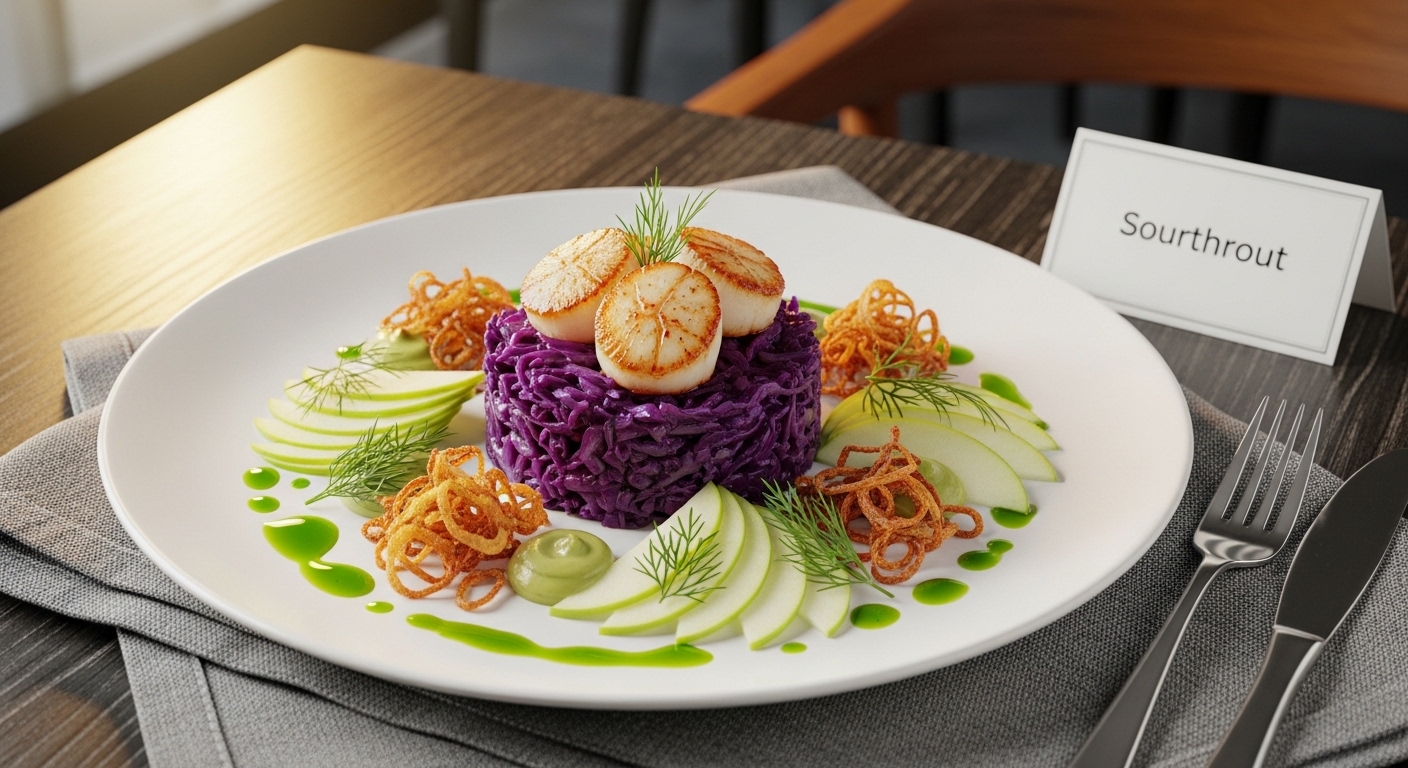
Sourthrout is making waves in the culinary scene, captivating food lovers everywhere. This vibrant dish, bursting with flavor and character, has become a staple on many dining tables. Whether you’re a seasoned epicurean or just embarking on your foodie journey, sourthrout promises to deliver an unforgettable taste experience.
But what exactly is sourthrout? It’s more than just food; it’s a celebration of fermentation that marries tradition with innovation. As diners seek out bold flavors and health-conscious options, this dish emerges as a frontrunner. Join us as we explore the rich history of sourthrout, its remarkable health benefits, and creative ways to enjoy this delightful treat at home. Get ready to discover why everyone is falling head over heels for sourthrout!
History and Origins of Sourthrout
Sourthrout has roots that stretch back centuries. It is believed to have originated in Central and Eastern Europe, where fermentation was used as a method of food preservation. The process allowed people to enjoy cabbage during the long winters.
Ancient civilizations recognized the benefits of fermented foods. They discovered that lacto-fermentation not only enhanced flavors but also increased nutritional value. Sourthrout became a staple in many households, often accompanying hearty meals.
As time passed, this dish gained popularity beyond its borders. Sailors took it on voyages for its health properties, believing it could prevent scurvy due to its rich vitamin C content.
The name itself reflects its sour nature—derived from “sauer” meaning sour in German and “kraut” referring to cabbage. Each region developed unique recipes and techniques over generations, resulting in diverse variations we enjoy today.
Health Benefits of Eating Sourthrout
Sourthrout isn’t just a treat for your taste buds; it’s packed with health benefits that can enhance your wellness journey. This fermented dish is rich in probiotics, which promote gut health and improve digestion. A happy gut can lead to increased energy levels and better overall well-being.
Furthermore, sourthrout contains essential vitamins, particularly vitamin C and K. These nutrients help boost the immune system while supporting bone health. The antioxidants present in sourthrout also combat oxidative stress, reducing inflammation.
Incorporating sourthrout into your diet may even strengthen mental clarity. Fermented foods have been linked to improved mood and cognitive function due to their impact on gut-brain communication.
With its myriad of benefits, adding sourthrout to your meals not only delights the palate but also provides a nutritional punch worth savoring.
How to Make Your Own Sourthrout at Home
Making your own sourthrout at home is easier than you might think. Start with fresh cabbage, as it’s the star ingredient. Chop it finely and place it in a large mixing bowl.
Add salt to the cabbage—about 1 tablespoon for every 2 cups of shredded cabbage. The salt helps draw out moisture, which is essential for fermentation. Massage the mixture with your hands until it starts releasing liquid.
Transfer the salted cabbage into a clean glass jar or fermenting crock. Pack it down tightly to ensure there are no air pockets, then pour any remaining liquid over the top.
Cover the jar loosely so gases can escape but prevent dust from getting in. Let it sit at room temperature for about one to three weeks, tasting periodically until you reach your desired tanginess.
Once it’s ready, store your homemade sourthrout in the fridge and enjoy its vibrant flavor!
Creative Ways to Incorporate Sourthrout into Your Meals
Sourthrout can jazz up your meals in ways you might not expect. Picture a vibrant sourthrout topping on grilled meats or fish. It adds both flavor and texture, elevating the entire dish.
For breakfast, consider mixing sourthrout into scrambled eggs or an omelet. The tangy crunch contrasts beautifully with creamy yolks, making mornings more exciting.
Tacos are another fantastic canvas for this fermented delight. Add it to your favorite fillings for that extra zing. You’ll be amazed at how well it pairs with avocados and spicy salsas.
Don’t forget about salads! Tossing some sourthrout into a leafy green mix brings a delightful acidity that brightens every bite.
Try blending it into dressings or dips for added depth. Your guests will appreciate the unique twist on familiar flavors without even knowing what makes it special.
The Rising Trend of Fermented Foods in the Culinary World
Fermented foods are making a grand comeback. With their tangy flavors and health benefits, they’ve captured the hearts of chefs and home cooks alike.
At restaurants, you’ll find creative takes on kimchi, kombucha, and sourdough. These dishes offer a depth of flavor that elevates any meal. They’re also visually appealing—think vibrant colors and unique textures.
The interest in gut health has played a significant role in this trend. People are increasingly aware of how fermented foods can aid digestion and boost immunity. This knowledge is driving consumers to seek out these delights at local markets or make them at home.
Social media platforms showcase stunning images of beautifully plated fermentations alongside recipes that invite experimentation. Home cooks are diving into the world of pickling vegetables or brewing their own kefir as part of a culinary adventure.
It’s not just about taste; it’s about connection to tradition too. Fermentation has been practiced for centuries across various cultures, adding an element of storytelling to every dish served today.
Conclusion
Sourthrout has taken the culinary world by storm. Its unique flavor profile, rich history, and numerous health benefits make it a dish that is hard to resist. Whether you’re a seasoned foodie or just beginning your gastronomic journey, sourthrout offers something special for everyone.
Making sourthrout at home can be a fun and rewarding experience. It allows you to customize flavors while enjoying the satisfaction of crafting your own meals. With its versatility, this dish can elevate any meal—from simple sandwiches to gourmet dinners.
As we see more people embracing fermented foods in their diets, sourthrout stands out as a favorite among many food enthusiasts. The trend shows no signs of slowing down; instead, it continues to grow as more individuals discover everything that sourthrout brings to the table.
So why not join the growing number of fans? Dive into the world of sourthrout and explore its delicious possibilities today!

Meet Daylin Ryder, a name that resonates within the vibrant art community. Known for her captivating pieces that blend emotion and technique, she has carved out a unique niche in contemporary artistry. Her work invites viewers into an imaginative world where colors dance and stories unfold. But behind every brushstroke lies a journey filled with passion, inspiration, and relentless pursuit of creativity. Let’s delve deeper into the life of this remarkable artist and explore what makes her artistry so compelling.
Early Life and Influences
Daylin Ryder’s journey into the world of art began in a small town, surrounded by natural beauty. Growing up, she was captivated by vibrant colors and intricate patterns found in her environment.
Her parents nurtured this fascination. They encouraged her to explore various artistic mediums from an early age. This support provided Daylin with the foundation needed to cultivate her creativity.
Influences came not only from family but also from local artists who frequented community events. Their stories and techniques inspired her to develop a unique perspective on artistry.
Books filled with illustrations ignited her imagination further. She immersed herself in different cultures through literature, discovering how art reflects human experiences across the globe.
These early influences shaped Daylin’s vision, sparking a desire to tell stories through her work while connecting deeply with viewers around the world.
Journey to Becoming an Artist
Daylin Ryder’s journey to becoming an artist was anything but ordinary. Growing up in a small town, her childhood was filled with creativity and imagination. She often found herself sketching the vibrant landscapes around her.
As a teenager, Daylin discovered various art forms through local classes. Each experience ignited a spark within her. The more she explored, the deeper her passion became.
After high school, she pursued formal training at a renowned art institute. It was here that Daylin honed her skills and developed her unique voice. She experimented with different mediums, pushing boundaries along the way.
Challenges emerged during this time—self-doubt and financial constraints were constant companions. Yet, these obstacles only fueled her determination to succeed as an artist.
Through perseverance and hard work, Daylin transformed from an aspiring creator into a recognized figure in the art world. Her evolution is a testament to dedication and artistic exploration.
Unique Style and Techniques
Daylin Ryder’s artistry shines through her distinctive style, which combines bold colors with intricate details. Each piece tells a story, inviting viewers into her imaginative world.
Her techniques are equally captivating. Daylin often blends traditional methods with modern influences. She experiments with mixed media, incorporating textures that add depth to her work.
Beyond just paint and canvas, she uses unconventional materials to push boundaries. This innovative approach allows her creations to resonate on multiple levels.
The fluidity of her brushwork contrasts beautifully with the precision in finer details. This balance creates a dynamic visual experience that keeps audiences engaged.
Through every stroke, Daylin captures emotion and movement. Her unique perspective breathes life into each artwork while challenging artistic norms.
Inspiration Behind Her Artistry
Daylin Ryder draws inspiration from the world around her. Nature often serves as a central theme in her artwork. She finds beauty in the smallest details, like the texture of a leaf or the colors of a sunset.
Emotional experiences also fuel her creativity. Moments of joy and sorrow intertwine within her pieces, creating layers that resonate with viewers. This connection to human emotion enriches her work.
Cultural influences play a significant role too. Daylin explores different traditions and histories, weaving them into her artistic narrative. Each piece reflects a story waiting to be discovered.
She believes that art can provoke thought and inspire change. Through bold strokes and vivid colors, Daylin invites onlookers to connect deeply with their own feelings and interpretations.
Every brushstroke becomes an extension of herself—a canvas for exploration that mirrors life’s complexities.
Impact on the Art Community
Daylin Ryder has made a significant mark on the art community. Her innovative approach resonates with both seasoned artists and newcomers alike.
Through her workshops, she empowers aspiring creators to find their voices. Many have credited her guidance as pivotal in shaping their artistic journeys.
Her social media presence fosters connection and dialogue within the community. Daylin shares insights into her creative process, encouraging open conversation about techniques and inspiration.
Moreover, she actively participates in local exhibitions, bringing attention to underrepresented artists. This commitment enhances diversity in the art scene, creating a richer cultural tapestry.
Collaborations with fellow artists further amplify her impact. These partnerships spark fresh ideas that challenge conventional boundaries while promoting teamwork among creatives.
The ripple effect of Daylin’s contributions continues to inspire many within the art world, fostering an environment where creativity thrives and evolves endlessly.
Future Plans and Projects
Daylin Ryder is brimming with exciting projects on the horizon. She’s currently exploring new mediums, pushing her boundaries beyond traditional canvas work. This shift allows her to experiment and innovate in ways that excite both herself and her audience.
Upcoming exhibitions are also lined up, where Daylin plans to showcase recent pieces that reflect her evolving style. Each exhibit promises a fresh experience for art lovers who follow her journey closely.
Collaboration is another avenue she’s eager to explore. Partnering with fellow artists will not only enhance creativity but also foster community within the art scene.
Additionally, she envisions launching workshops designed for aspiring artists. Sharing knowledge and techniques aligns perfectly with Daylin’s mission of nurturing talent while inspiring others to find their voice through artistry.
With so many ventures ahead, it’s clear that Daylin Ryder’s artistic path continues to expand vibrantly.
Conclusion
Daylin Ryder stands as a beacon of creativity in the art world. Her journey from a young girl influenced by diverse artistic mediums to a well-respected artist is truly inspiring. The unique style she has developed, characterized by vivid colors and intricate details, sets her apart.
Every piece of Daylin’s artwork tells a story, often reflecting her personal experiences and emotions. This connection draws viewers in, fostering deep appreciation for her work.
Her impact on the art community is undeniable. Through exhibitions and workshops, Daylin encourages aspiring artists to explore their own voices. She cultivates an environment where creativity thrives.
Looking ahead, there’s much anticipation surrounding Daylin’s future projects. With each new endeavor, she continues to push boundaries and evolve as an artist.
As Daylin Ryder carves her path through the ever-changing landscape of artistry, one thing remains clear: she inspires others not just with her talent but with her passion for creative expression.
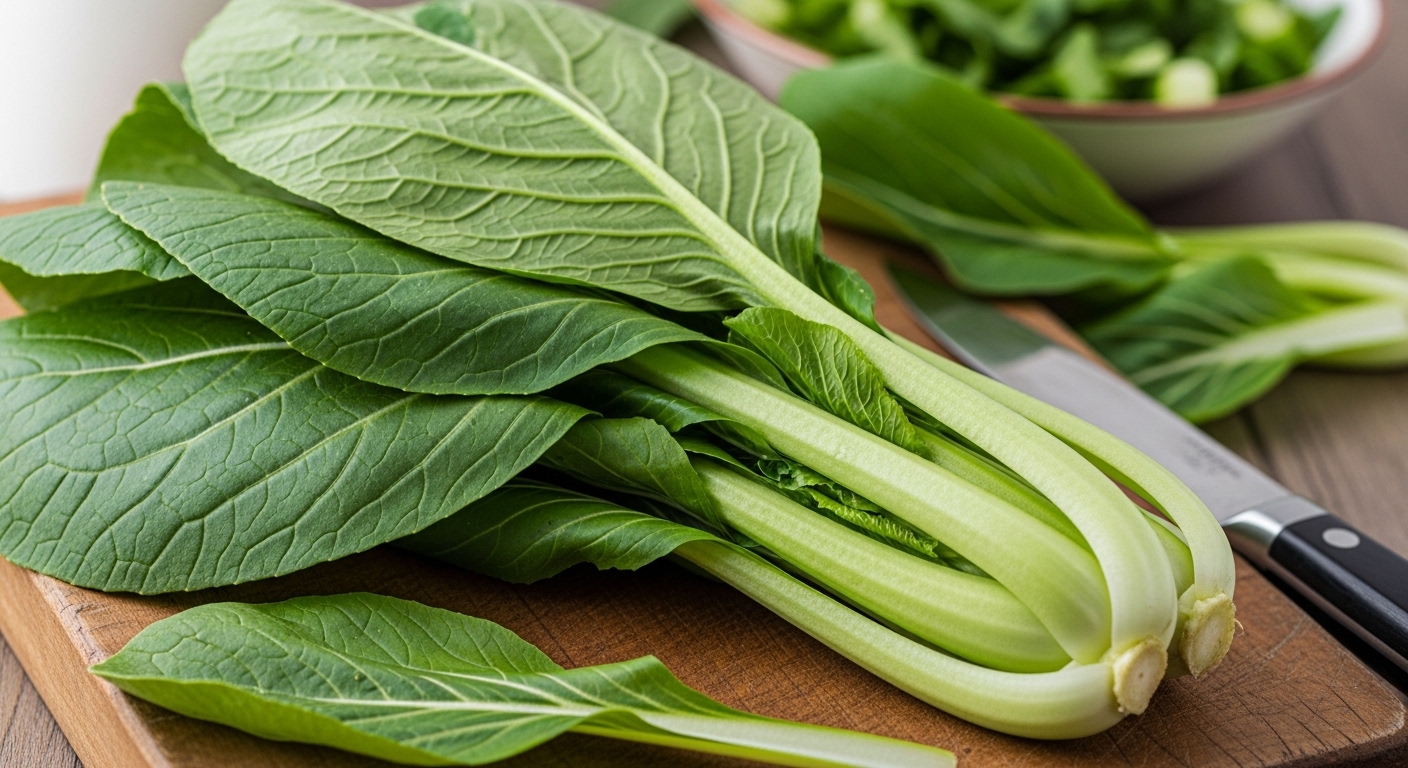
When it comes to leafy greens, yalla choy is a hidden gem that deserves a spot on your plate. This versatile vegetable, often overlooked in favor of more common options, packs a flavorful punch and offers numerous health benefits. Whether you’re an adventurous foodie or just looking to spice up your meals, yalla choy could be the perfect addition to your culinary repertoire. Curious about what makes this vibrant vegetable so special? Let’s dive into the world of yalla choy and discover why it should become a staple in your kitchen!
What is Yalla Choy?
Yalla choy, also known as Chinese flowering cabbage, is a leafy green vegetable native to Asia. Its vibrant yellow flowers and tender leaves add both color and nutrition to dishes.
This cruciferous vegetable belongs to the same family as broccoli and kale. It features a subtle sweetness coupled with a slightly peppery flavor that sets it apart from other greens.
Typically found in stir-fries or soups, yalla choy can be enjoyed raw in salads too. Its unique taste pairs well with various ingredients, making it adaptable for different cuisines.
Aside from its culinary uses, yalla choy is celebrated for its nutritional profile. It’s loaded with vitamins A, C, and K while offering essential minerals like calcium and iron. This makes it not just delicious but also an excellent addition to any healthy diet.
The Nutritional Benefits of Yalla Choy
Yalla choy is packed with essential nutrients that can boost your overall health. This leafy green is a great source of vitamins A, C, and K. These vitamins play crucial roles in maintaining healthy skin, boosting immunity, and supporting bone health.
Additionally, yalla choy contains minerals such as calcium and iron. Calcium strengthens bones while iron helps transport oxygen throughout the body.
Its high fiber content aids digestion and promotes gut health. Including yalla choy in your meals can help you feel fuller longer.
Moreover, this vegetable is low in calories yet rich in antioxidants. These compounds combat oxidative stress and may reduce inflammation.
Incorporating yalla choy into your diet offers a delicious way to enhance nutritional intake without added calories or guilt.
How to Prepare and Cook Yalla Choy
Preparing yalla choy is simple and rewarding. Start by rinsing the leaves thoroughly under cold water to remove any grit or dirt. Once cleaned, pat them dry with a kitchen towel.
Chop the stems and leaves into bite-sized pieces. This ensures even cooking and allows for better flavor absorption.
You can stir-fry yalla choy quickly in a hot pan with a drizzle of oil, garlic, and ginger for an aromatic dish. For added depth, toss in some soy sauce or oyster sauce just before serving.
If you prefer steaming, place the trimmed pieces in a steamer basket over boiling water for about 3-5 minutes until they’re tender but still vibrant green.
Experimenting with grilling can also bring out unique flavors—just brush them lightly with olive oil and season before placing on the grill. Enjoy discovering different methods!
Delicious Recipes with Yalla Choy
Yalla choy is a fantastic addition to various dishes, bringing both flavor and nutrition. One simple yet delicious recipe is stir-fried yalla choy with garlic. Just toss the greens in a hot pan with minced garlic and a splash of soy sauce for an easy side dish.
For something more unique, try adding yalla choy to your favorite noodle soup. Its crisp texture adds depth and freshness, perfectly complementing the broth.
If you’re feeling adventurous, consider making yalla choy pesto. Blend it with nuts, olive oil, parmesan cheese, and lemon juice for a vibrant twist on traditional pesto that’s perfect for pasta or as a dip.
You can also use yalla choy in salads; its slightly peppery taste pairs wonderfully with citrus vinaigrette and avocado slices. Each bite provides crunch along with essential nutrients!
Where to Find Yalla Choy and How to Choose the Best One
Yalla Choy can often be found at Asian grocery stores and farmers’ markets. Its vibrant green leaves and crisp stems make it easy to spot among other vegetables.
When selecting Yalla Choy, look for fresh, bright greens without any yellowing or wilting. The leaves should feel firm to the touch, indicating freshness.
Another tip is to check the stems; they should be sturdy and not limp. A good-quality bunch will have a fragrant aroma that hints at its unique flavor profile.
If you’re lucky enough to live near a local farm that grows this vegetable, consider visiting them directly. Freshly picked Yalla Choy tastes best when used soon after harvesting.
Tips for Incorporating Yalla Choy into Your Diet
Yalla choy is a fantastic addition to your meals, and incorporating it into your diet can be both fun and flavorful. One easy way to start is by adding it to stir-fries. Its crunchy texture holds up well against high heat, making every bite delightful.
Try using yalla choy in salads for a fresh twist. Toss raw leaves with citrus dressing or mix them into grain bowls for added nutrition.
You can also blend yalla choy into smoothies. A handful mixed with fruits like bananas or mangoes creates a nutrient-packed beverage that doesn’t compromise on taste.
If you’re feeling adventurous, experiment with pickling yalla choy. The tangy crunch adds depth to sandwiches and wraps.
Don’t forget about soups! Yalla choy wilts beautifully in broths, enhancing flavors while still delivering nutrients in each spoonful.
Conclusion
Yalla choy is more than just a leafy green; it’s a culinary treasure waiting to be explored. With its unique flavor and impressive nutritional profile, this versatile vegetable can elevate any dish while supporting your health. Whether you prepare it stir-fried, sautéed, or in soups, the options are endless.
Finding yalla choy at local markets or grocery stores is easier than ever as its popularity grows. When selecting the best bunches, look for vibrant leaves that are crisp and free of blemishes.
Incorporating yalla choy into your meals not only adds variety but also introduces new textures and tastes to your diet. So why not give it a try? You might discover a new favorite ingredient that enhances both flavor and nutrition in your everyday cooking. Embrace the versatility of yalla choy today!
-

 Cast10 months ago
Rico Rodriguez
-

 Episode Guide10 months ago
Halloween episodes
-

 Cast11 months ago
Cast
-

 Guest Star10 months ago
Valentine’s Day episodes
-

 Cast10 months ago
Sarah Hyland
-

 Cast10 months ago
Who is your favourite character?
-

 Guest Star10 months ago
Guest Star: Khamani Griffin
-

 Episode Guide10 months ago
Episode Guide : Season 1