
TOPIC
Organize busy homes with simple systems that support work, family, and daily routines.

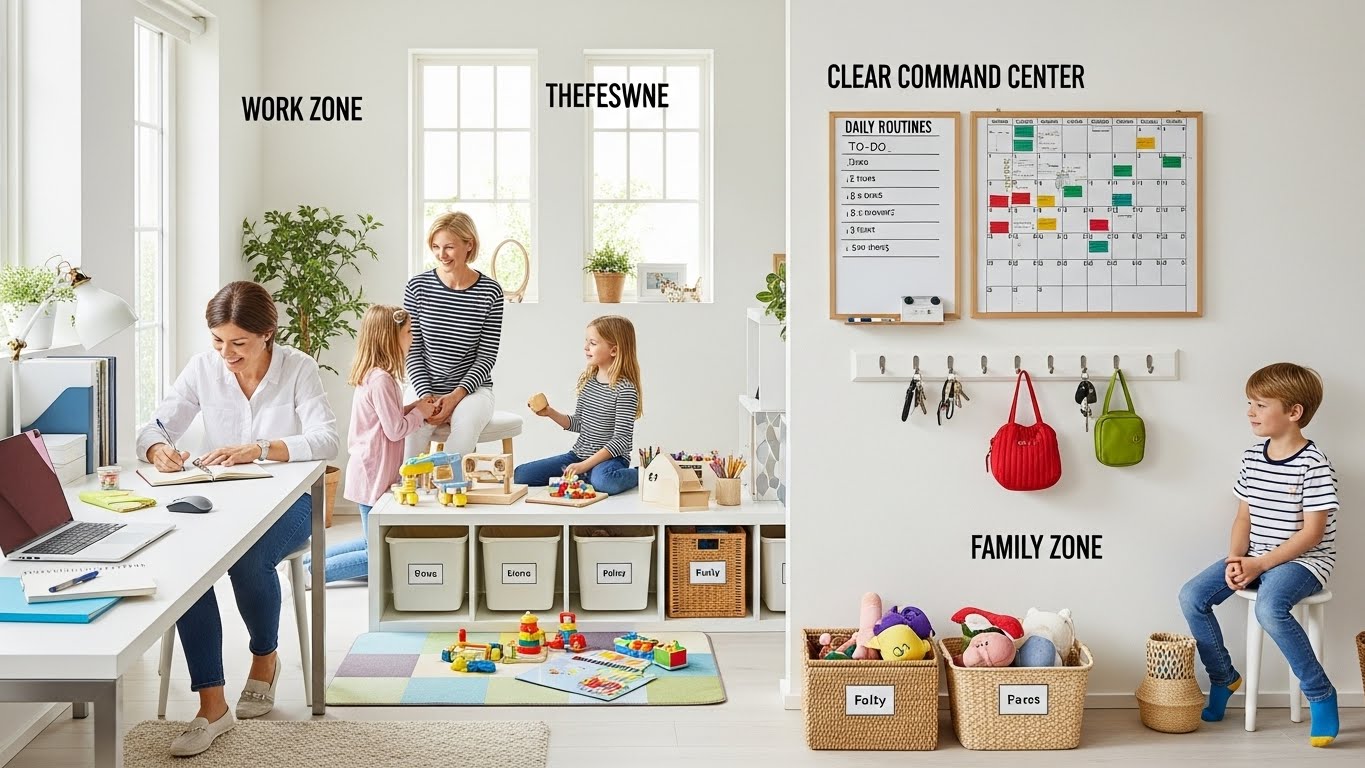
Smart Organization Choices for Busy, Multi-Tasking Homes
Homes today fill many roles at once. Living rooms are workspaces, kitchens and bedrooms are homework zones, and vice versa; when an organization doesn’t keep up, clutter builds quickly and routine feels harder than it has to. Smarter storage helps homes bend without breaking (or constant cleaning).
Smart organizing choices for busy, multi-tasking homes highlight flexibility and clarity. Items are easy to find, easy to put away, easy to move as needs demand. When storage supports real daily habits, homes breathe easier even when life gets busy. With simple systems and shared zones clearly defined, families can flit from one thing to another smoothly, cozily, and comfortably ready for whatever the day brings.
Understanding Daily Space Conflicts
Daily space conflicts happen when one area is expected to serve too many purposes without clear organization. In busy homes, the same table may be used for meals, work, homework, and hobbies. When items for each activity mix together, frustration builds and time is wasted clearing space or searching for essentials. These conflicts are not caused by lack of space, but by lack of structure.
Space conflicts often appear as small irritations. Papers pile up where meals are prepared, chargers spread across seating areas, or personal items linger in shared rooms. Over time, these small issues create mental clutter and slow down routines. When everyone competes for the same surfaces or storage, tension increases and productivity drops.
Understanding where conflicts occur helps households respond thoughtfully instead of constantly tidying. Observing when and why clutter appears reveals which activities need better support. Once conflicts are identified, organization choices become clearer. The home begins to work with daily life rather than against it, creating smoother transitions between tasks and calmer shared spaces.
FAQ
What causes daily space conflicts?
Multiple activities sharing the same area without structure.
Do space conflicts mean a home is too small?
No, they usually signal organization gaps.
How can conflicts be identified?
By noticing repeated clutter and interruptions.
Can conflicts be reduced without buying storage?
Yes, clear zones and habits often help.
Prioritizing Shared Areas
Shared areas set the tone for how smoothly a busy home functions. When these spaces are overloaded, every activity feels harder. Prioritizing shared areas means organizing them to support the most frequent and important daily tasks first. This approach protects flow and reduces constant resetting.
One-day use case:
The day starts with breakfast in a clear kitchen because shared surfaces are kept open overnight. After breakfast, school and work materials are placed in a designated spot rather than spreading across the table. Midday tasks happen smoothly because shared areas remain flexible. In the afternoon, hobbies use the same space without conflict because items are easy to move and store. By evening, the room transitions back to family time without a full cleanup. The home supports each shift naturally, and shared areas remain welcoming throughout the day.
When shared spaces are prioritized, everyone benefits. Clear expectations make it easier to clean up quickly and move on to the next activity. Over time, shared areas become reliable anchors that support busy routines, reduce stress, and keep the home functioning smoothly even on the most demanding days.
Creating Flexible Storage Zones
A clever solution for busy, multi-tasking homes is to maintain flexible storage zones that respond to daily needs and change. Rather than designating permanent places for every activity, flexible zones allow items to slip in and out of common space without mess while enabling evolving routines to take their course.
Separate daily use from overflow
Items used every day should stay within easy reach, while occasional or seasonal items should live elsewhere. When overflow stays in shared areas, it limits movement and creates visual noise. Moving rarely used items out of main living spaces restores balance and makes daily tasks easier. Options like Barton Rd climate controlled NSA Storage help families store extra belongings safely without crowding the home. This separation keeps shared areas open and ready for constant transitions.
Use containers that travel
Bins, baskets, or rolling carts allow items to move between rooms as needed. School supplies, work tools, or hobby materials can be brought out when required and stored away afterward. This keeps surfaces clear and reduces setup time for each activity.
Keeping Routines Simple
Organization works best when it supports habits instead of fighting them. Simple routines make it easier for everyone in the home to participate.
Reduce steps, not options
Storage should shorten cleanup time, not add steps. When items return to obvious places, routines stick naturally.
What works in practice:
Homes that limit each activity to one container or zone spend less time cleaning and more time enjoying shared spaces.
Reset spaces daily
A quick end-of-day reset prepares rooms for the next morning. Simple routines keep organization sustainable even during the busiest weeks.
Reviewing Organization Often
The constant change of a busy home means that the organizational systems that were once helpful can quickly become unhelpful without regular attention to them. A regular evaluation will help prevent clutter from building up slowly and return the storage systems to alignment with your actual routines. The evaluation process does not have to be extensive or time-consuming; instead, it focuses on identifying what is easy to find and use and what is difficult or frustrating to find and use in day-to-day life.
Watch friction points
Friction appears when items are hard to put away or frequently left out. These moments highlight where storage no longer matches behavior. Adjusting placement or reducing steps restores flow quickly.
Update systems as routines shift
School schedules, work demands, and family activities change over time. Organization should change with them. Regular review ensures systems stay supportive instead of outdated.
Common questions answered:
Many households ask how often an organization should be reviewed. A light monthly check is usually enough. Others wonder if reviewing means reorganizing everything. Often, only small adjustments are needed. Some ask whether constant review creates extra work. In practice, it saves time by preventing clutter buildup. A common concern is inconsistency. Simple, repeatable systems reduce confusion. These answers show that regular review keeps organization working quietly in the background, supporting busy routines without becoming another task.
Organization That Supports Real Life
Smart organization is not about perfect rooms. It is about creating a home that adapts to busy days, changing needs, and shared responsibilities. Smart Organization Choices for Busy, Multi-Tasking Homes focus on flexibility, clarity, and ease of use.
Take a moment to observe where your home feels smooth and where it feels stressful. Small changes can improve flow and reduce daily pressure. Smart Organization Choices for Busy, Multi-Tasking Homes help families move confidently between tasks while keeping shared spaces calm, functional, and welcoming. When an organization supports real life, the home works with you instead of against you.

The idea of looking after your team used to be simple. Provide a pay check, say thank you now and then, and make sure the doors were open during business hours. Today, looking after a team means much more than basic tasks. It requires a deeper understanding of emotional well-being, cultural support, practical safety, professional growth, and financial protection. In a world where people expect purpose, respect, and support from their work community, a modern definition of looking after your team must meet those needs.
The Foundation is Psychological Safety
A safe work environment used to refer only to physical hazards. Now it also refers to emotional and psychological safety. When team members believe they can speak honestly without fear of ridicule, punishment, or retaliation, they are far more likely to innovate, contribute, and stay engaged.
A leader who looks after their team creates an environment where questions are welcomed, feedback is constructive, and mistakes are treated as opportunities to learn. This kind of safety encourages loyalty and creativity because people trust that their well-being matters more than being perfect.
Respect Lives in Everyday Interactions
Respect is not a once-a-year review or a generic company slogan. It is how people are spoken to in meetings, how credit is given, and how differences are honored. Modern employees are more diverse than ever, and workplaces include people of various backgrounds, cultures, ages, and abilities. Looking after your team means acknowledging that diversity and making sure policies, practices, and daily interactions reflect it.
Respect also means being flexible when life happens. Providing options like hybrid work, flexible start times, or compassionate leave shows that leadership values people as complete individuals, not just roles in a schedule.
Health and Safety Go Beyond Compliance
Keeping people safe has always been part of responsible leadership, but the definition has broadened. Safety now includes mental health support, access to resources that help people manage stress, and proactive measures to prevent burnout. These are not optional extras but essential protections in a competitive job market.
Looking after your team also means offering fundamental workplace protections. For many businesses, that includes supporting their people with proper workplace insurance. Providing essentials such as workers’ compensation coverage protects your team in the event of an injury or illness related to work while also protecting the business. Employers can explore options like workers comp insurance from Next Insurance to find coverage that fits their needs and helps ensure that employees are cared for should the unexpected occur.
Growth Opportunities Matter
People want and deserve to grow. Looking after your team today means covering both skill development and long-term growth. Training programs, mentoring career path conversations, and financial support for courses or certification all signal that you are invested in your team’s future.
When employers actively support a culture of learning, team members feel valued and remain more engaged because they see a future with the company, not just a job.
Compensation That Reflects Reality
Competitive pay is still a cornerstone of care. But modern compensation also includes benefits like paid time off, mental health days, retirement contributions, performance bonuses, and wellness stipends. These show that you value your team’s overall wellbeing not just the hours they put in.
You do not have to offer every possible benefit, but creating a compensation package that reflects current expectations and supports a balanced life will strengthen loyalty and attract better talent.
Communication is the Glue
Good communication was always important. Today it is essential. Teams want clarity about goals, expectations, changes, and decisions. They want to feel informed rather than surprised. Leaders who look after their team communicate often openly and transparently. They solicit feedback, listen deeply, and take action based on what they hear.
Communication also extends to recognition. Saying thank you publicly and privately acknowledging someone’s contribution reinforces value and builds trust.
Community and Belonging
People spend a large portion of their waking hours at work. Looking after your team means helping foster a sense of community and belonging. Simple actions like organizing team lunches, planning social activities, supporting employee resource groups, or encouraging collaboration all contribute to a workplace where people feel connected and supported.
Belonging creates a culture where people are more inclined to support one another. That kind of environment enhances resilience performance and overall satisfaction.
In Summary
Looking after your team today is not a checklist of tasks. It is a holistic commitment to human-cantered leadership. It means nurturing psychological safety, respecting diversity, enabling growth, providing fair compensation, ensuring physical and emotional health, supporting your team with practical protections like workers’ compensation coverage, and communicating with honesty and clarity.
Teams that feel truly looked after are more engaged, more loyal, and better prepared to face the challenges of the modern workplace. Investing in people is not just good for them; it is good for the business too.
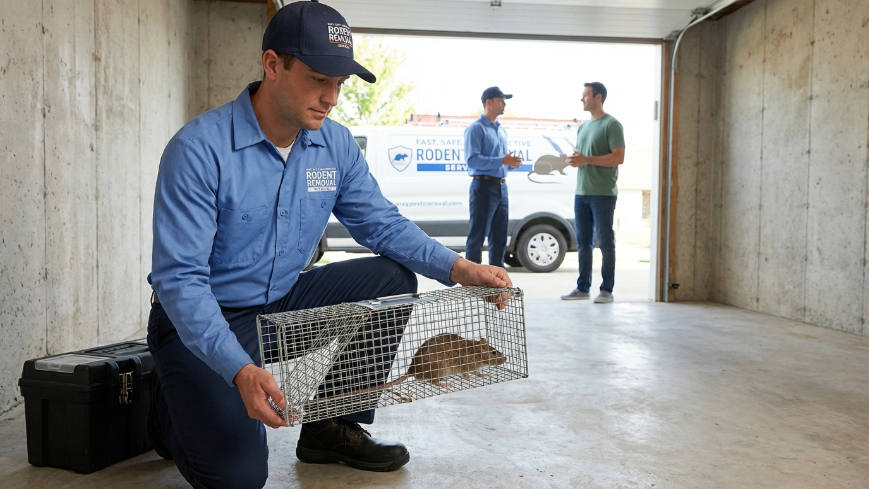
Rodents in your home or business aren’t just a nuisance—they’re a serious problem. From gnawed electrical wiring to contaminated food supplies, these uninvited guests can cause significant damage and pose health risks to your family or employees. When you spot the tell-tale signs of a rodent infestation, you need a solution that works quickly and keeps them from coming back.
That’s where professional rodent removal becomes essential. At Palm Beach Wildlife Services, we specialize in humane, thorough rodent control that addresses the root of the problem, not just the symptoms. Our team understands the unique challenges that property owners face when dealing with mice, rats, and other rodents, and we’re committed to delivering results that restore your peace of mind.
Why Rodents Are More Than Just a Minor Inconvenience
Many people underestimate the damage rodents can cause. These small creatures are surprisingly destructive, and their presence in your property can lead to costly repairs and potential health hazards.
Rodents constantly gnaw to keep their teeth from growing too long. This natural behavior means they’ll chew through wood, insulation, pipes, and even electrical wiring. A single rodent can cause thousands of dollars in structural damage, and chewed wires create a serious fire hazard.
Beyond property damage, rodents carry diseases that can spread to humans and pets. Their droppings, urine, and saliva can contaminate surfaces and food, leading to illnesses like hantavirus, salmonella, and leptospirosis. If you have children or elderly family members in your home, the health risks become even more concerning.
Rodents also reproduce rapidly. A small problem can turn into a full-blown infestation in just a few weeks. Female mice can produce up to 60 offspring per year, which means waiting to address the issue only makes it worse.
What Sets Professional Rodent Removal Apart
While DIY traps and store-bought solutions might seem like an easy fix, they rarely solve the underlying problem. Rodents are intelligent and adaptable. They learn to avoid traps, find new entry points, and continue breeding in hidden areas of your property.
Professional rodent removal takes a comprehensive approach. Palm Beach Wildlife Services doesn’t just set traps and hope for the best. We conduct detailed inspections to identify how rodents are entering your property, where they’re nesting, and what’s attracting them in the first place.
Our trained specialists look for entry points as small as a quarter-inch—gaps that most homeowners would never notice. We examine your foundation, roofline, vents, utility lines, and any other potential access routes. Once we’ve mapped out the infestation, we develop a customized removal plan that fits your specific situation.
We use humane, effective methods to remove rodents from your property. Our techniques prioritize safety for your family, pets, and the environment while ensuring complete eradication of the infestation.
The Palm Beach Wildlife Services Approach to Rodent Control
Our rodent removal process is built on three core principles: thorough inspection, strategic removal, and long-term prevention.
Inspection and Assessment
Every successful rodent removal starts with understanding the scope of the problem. Our team conducts a meticulous property inspection, checking both interior and exterior areas for signs of rodent activity. We look for droppings, gnaw marks, grease trails, nesting materials, and entry points.
We also assess what might be attracting rodents to your property. Open garbage, pet food, bird feeders, and overgrown vegetation can all make your home more appealing to these pests. Identifying these attractants allows us to recommend changes that will help prevent future infestations.
Strategic Removal
Once we understand the extent of the infestation, we implement a targeted removal strategy. This might include a combination of trapping, exclusion techniques, and habitat modification. We place traps in strategic locations based on rodent behaviour patterns and movement paths.
Our team monitors these traps regularly and adjusts our approach as needed. We don’t consider the job done until we’ve eliminated the entire rodent population from your property.
Prevention and Exclusion
Removing existing rodents is only half the solution. Without proper exclusion, new rodents will simply take their place. We seal entry points using durable materials that rodents can’t chew through. This includes installing door sweeps, sealing cracks in your foundation, covering vents with wire mesh, and addressing any structural vulnerabilities.
We also provide recommendations for maintaining a rodent-free property. Simple changes like proper food storage, regular cleaning, and vegetation management can make a significant difference in preventing future infestations.
Why Choose Palm Beach Wildlife Services
When you’re dealing with a rodent problem, you need a team that responds quickly, works efficiently, and delivers lasting results. Palm Beach Wildlife Services has built a reputation for excellence in wildlife management and rodent control throughout the Palm Beach area.
Our technicians receive ongoing training in the latest rodent removal techniques and safety protocols. We stay current with industry best practices and use proven methods that protect your property while addressing the infestation humanely.
We understand that rodent problems don’t follow a convenient schedule. That’s why we offer flexible appointment times and emergency services when you need them. Your comfort and safety are our top priorities, and we work around your schedule to minimize disruption to your daily routine.
Our commitment doesn’t end when the rodents are gone. We stand behind our work with comprehensive warranties and follow-up inspections to ensure your property remains rodent-free. If you experience any issues after our initial service, we’ll return to address them at no additional cost.
Take Action Before the Problem Grows
Rodent Removal services provide timely, professional solutions to stop infestations before they escalate. Rodent infestations don’t improve on their own—each day you wait allows these pests to multiply, cause more damage, and threaten your health. The most effective time to act is right now, using expert rodent removal to protect your property and restore peace of mind.
Palm Beach Wildlife Services makes it easy to protect your property. Our team is ready to provide a thorough inspection, develop a customized removal plan, and implement solutions that work. We’ve helped countless property owners reclaim their homes and businesses from rodent invasions, and we’re ready to do the same for you.
Don’t let rodents take over your property. Contact Palm Beach Wildlife Services today and experience the difference that professional, comprehensive rodent removal can make. Your rodent-free home is just one call away.

Have you ever wondered what keeps some couples close and smiling even after many decades together?
As the years pass, life changes in many ways, but love can still grow strong. Many couples in their seventies and beyond say their bond feels deeper than ever. They have faced hard times, big changes, and joyful moments side by side.
This article shares simple tips to help you build a happy and lasting marriage in later life.
Keep Communication Open And Kind
Good communication becomes even more important as couples grow older. Life after retirement, health changes, and family shifts can bring new challenges. Talking often helps both partners feel heard and valued.
Take time each day to share thoughts and feelings. Listen without interrupting or judging your spouse. Even small talks about your day can build a stronger connection.
It also helps to speak with kindness, especially during disagreements. Try to focus on solving the problem instead of blaming each other. A calm and caring tone can prevent small issues from becoming big ones.
Support Each Other Through Change
Later life often brings changes in health, energy levels, and daily routines. These changes can feel stressful, but facing them together makes a big difference. Support from a spouse can bring comfort and strength.
Offer help when your partner needs it, even in simple tasks. Show patience if your spouse moves slower or forgets things. Small acts of care show deep love.
It is also important to accept help from your partner. Let them be there for you during hard times. Mutual support builds trust and keeps the bond strong.
Stay Connected And Have Fun
Long marriages need joy and shared experiences. Even in later years, couples can find new hobbies or enjoy old favorites together. Fun moments create happy memories that last.
Plan simple activities like walks, game nights, or cooking meals together. Laughing often keeps the relationship light and warm. Shared fun helps both partners feel young at heart.
Many couples talk about what a happy marriage in later years looks like, and it often includes spending quality time together. Making time for each other shows that your relationship still matters. Staying connected keeps love alive.
Practice Gratitude And Appreciation
After many years together, it is easy to take each other for granted. Daily routines can make small acts of kindness seem normal. Still, appreciation should never fade.
Say thank you for everyday efforts, even simple ones. A kind word can brighten your partner’s whole day. Feeling valued strengthens emotional closeness.
Gratitude also shifts focus away from flaws. No one is perfect, and small habits can be annoying. Choosing to notice the good instead of the bad brings more peace into the home.
Love Grows Stronger With Time
A lifelong marriage is not about being perfect it is about growing together. Love changes over the years but it does not have to fade. With care and effort it can become deeper and more meaningful.
Strong marriages are built on patience, respect, and daily choices to stay committed. Even small actions can have a big impact over time. When both partners keep trying love continues to blossom.
We hope this article was helpful to you. If you enjoyed it, be sure to check out our blog for more valuable information and resources.
-

 Cast10 months ago
Rico Rodriguez
-

 Episode Guide10 months ago
Halloween episodes
-

 Cast10 months ago
Cast
-

 Guest Star10 months ago
Valentine’s Day episodes
-

 Cast10 months ago
Sarah Hyland
-

 Cast10 months ago
Who is your favourite character?
-

 Guest Star10 months ago
Guest Star: Khamani Griffin
-

 Episode Guide10 months ago
Episode Guide : Season 1