
Archives
Lidarmos: How It Works and Why You Should Care


Lidar technology is revolutionizing the way we perceive and interact with our world. Imagine a tool that can measure distances, create detailed 3D maps, and even enhance autonomous vehicles’ navigation—all through light pulses. That’s exactly what Lidar does! With its ability to capture complex information about surroundings in real-time, lidar has become an indispensable asset across various industries.
But what exactly is this fascinating technology? And why should you care about it? As we delve into the intricacies of lidarmos, you’ll discover not just how it works but also its profound impact on our lives today and in the future. Whether you’re a tech enthusiast or just curious about emerging technologies, understanding lidar will open your eyes to new possibilities—and perhaps inspire you to see the world from a different perspective. Let’s explore this groundbreaking innovation together!
History of Lidar and its Evolution
Lidar technology has its roots in the 1960s. It began with basic laser ranging techniques, primarily used for atmospheric studies. Researchers were fascinated by how light could provide precise measurements.
As decades passed, advancements in laser technology revolutionized lidar applications. By the 1980s, improvements allowed for more complex terrain mapping and environmental monitoring. This marked a turning point in how data collection was perceived.
The turn of the century saw an explosion of interest in lidar systems across various sectors. From autonomous vehicles to forestry management, its capabilities expanded significantly.
Today’s lidar is more sophisticated than ever before. The integration of GPS and other technologies allows for high-resolution data capture that was unimaginable just a few years ago. As we look ahead, it continues to evolve rapidly alongside innovations like artificial intelligence and machine learning.
How Lidar Works: The Science Behind It
Lidar operates using a simple yet effective principle: light detection and ranging. It emits laser pulses towards an object or surface. These pulses bounce back to the sensor after hitting something.
The time it takes for the light to return is measured precisely. This data helps create a detailed map of the surroundings, capturing distances with incredible accuracy.
Lidar systems can vary in complexity, from handheld devices to sophisticated aerial sensors mounted on drones or aircraft. The technology can generate 3D models by combining thousands of laser points into cohesive spatial representations.
Moreover, Lidar is not just about distance; it also captures various attributes such as reflectivity and intensity of surfaces hit by lasers. This additional information enriches the dataset, making it invaluable across numerous applications from forestry management to urban planning.
Applications of Lidar in Different Industries
Lidar technology finds its home in various industries, transforming how data is collected and analyzed. In agriculture, farmers use Lidar to assess crop health and optimize irrigation practices. This precision leads to better yields and sustainable farming.
The construction sector benefits from Lidar’s ability to create accurate 3D models of sites. Architects and engineers can visualize projects before breaking ground, reducing costly mistakes.
Transportation also reaps rewards from this tech. Autonomous vehicles rely on Lidar for real-time mapping and obstacle detection, enhancing safety on the roads.
Environmental monitoring utilizes Lidar for measuring forest canopy heights or assessing flood risks in vulnerable regions. Its accuracy helps officials make informed decisions regarding conservation efforts.
Even archaeology has embraced Lidar! Researchers uncover hidden structures beneath dense foliage without disturbing the land’s surface—offering a glimpse into ancient civilizations with minimal impact.
Advantages and Limitations of Lidar Technology
Lidar technology offers several advantages that make it a valuable tool across various fields. Its ability to create high-resolution, three-dimensional maps allows for precision in applications such as surveying and environmental monitoring. This level of detail is unparalleled when compared to traditional methods.
Additionally, Lidar can penetrate vegetation cover, providing insights into ground conditions that would otherwise remain hidden. This capability proves crucial for forestry management and urban planning projects.
However, limitations exist alongside these benefits. The technology often relies on clear weather conditions; heavy rain or fog can hinder performance significantly.
Moreover, the cost associated with Lidar systems can be prohibitive for smaller organizations or individual projects.
Processing the vast amounts of data generated also requires specialized software and expertise, which might not be readily available everywhere. Balancing these pros and cons is essential when considering how best to utilize this innovative technology.
Future Possibilities of Lidar
The future of Lidar technology is brimming with potential. As advancements in data processing and sensor capabilities emerge, we can expect an even broader array of applications.
Imagine autonomous vehicles navigating complex environments with pinpoint accuracy. Enhanced Lidar systems will play a crucial role in making these scenarios a reality, allowing for safer roads and smarter traffic management.
In agriculture, farmers could utilize Lidar to analyze crop health more efficiently. This precision farming technique would lead to optimized yields and sustainable practices that benefit the environment.
Moreover, urban planning could undergo revolutionary changes by integrating detailed 3D mapping from aerial Lidar surveys. Cities can be designed intelligently, creating greener spaces while maximizing efficiency for residents.
With ongoing innovations, the possibilities are vast. From environmental monitoring to disaster response solutions, Lidar stands ready to redefine how we interact with our world.
Why Everyone Should Care About Lidar
Lidar technology is changing how we interact with the world around us. From improving urban planning to enhancing environmental conservation, its impact is far-reaching.
When you think about self-driving cars, lidar plays a crucial role in helping them navigate safely. This level of innovation can redefine transportation as we know it.
In agriculture, farmers use lidar to assess crop health. By analyzing data collected from above, they make informed decisions that boost yield and sustainability.
Moreover, lidar aids in disaster management by mapping terrain and predicting flood patterns. Such insights save lives and protect property during emergencies.
As cities grow smarter, lidar will be at the forefront of creating more efficient infrastructures. Its ability to gather precise data allows for better resource allocation.
Understanding lidarmos means grasping the future of technology that influences daily life in myriad ways. It’s not just a trend; it’s an essential tool shaping tomorrow’s world.
Conclusion
Lidar technology is making waves across various sectors, from autonomous vehicles to environmental monitoring. As we explore the landscape of innovation, it’s clear that lidarmos is more than just a technical marvel; it’s a transformative force reshaping how we perceive and interact with our world.
This advanced form of sensing holds immense potential for enhancing accuracy in data collection and improving decision-making processes. With its ability to create highly detailed 3D maps, Lidar empowers industries ranging from urban planning to agriculture. The sophistication of this technology continues to evolve, promising even more groundbreaking applications in the future.
Understanding Lidar means recognizing its growing importance in our lives. Whether you’re involved in tech or simply curious about how modern innovations affect daily living, keeping an eye on lidarmos will be beneficial. Its implications extend far beyond what many might anticipate—reshaping infrastructure development and optimizing resource management while also providing insights into climate change.
As we look ahead, embracing Lidar could pave the way for smarter cities and sustainable practices. Everyone should pay attention because these advancements are not just confined to labs or tech companies—they’re destined to touch all aspects of society. Exploring opportunities within this dynamic field can lead us toward a more informed future where technology serves humanity’s needs efficiently and effectively.
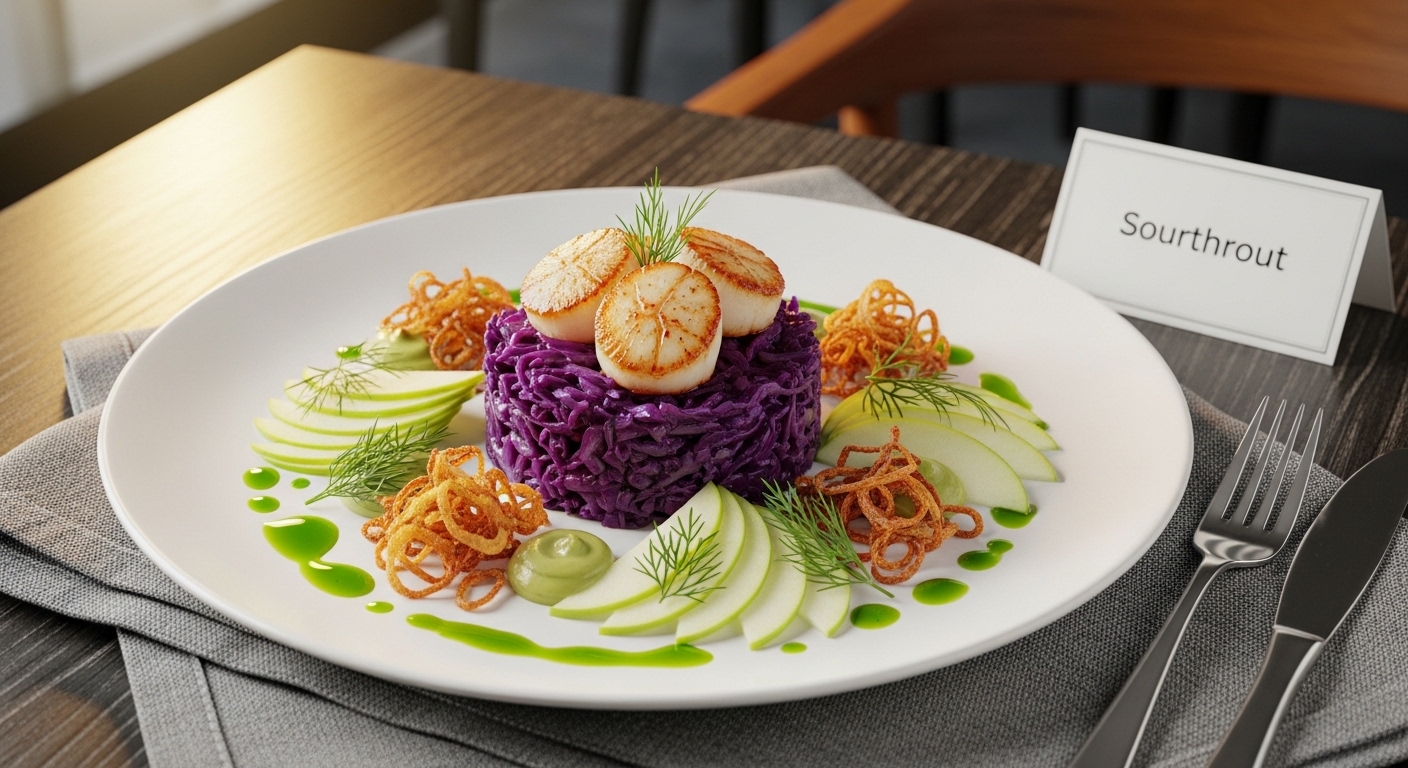
Sourthrout is making waves in the culinary scene, captivating food lovers everywhere. This vibrant dish, bursting with flavor and character, has become a staple on many dining tables. Whether you’re a seasoned epicurean or just embarking on your foodie journey, sourthrout promises to deliver an unforgettable taste experience.
But what exactly is sourthrout? It’s more than just food; it’s a celebration of fermentation that marries tradition with innovation. As diners seek out bold flavors and health-conscious options, this dish emerges as a frontrunner. Join us as we explore the rich history of sourthrout, its remarkable health benefits, and creative ways to enjoy this delightful treat at home. Get ready to discover why everyone is falling head over heels for sourthrout!
History and Origins of Sourthrout
Sourthrout has roots that stretch back centuries. It is believed to have originated in Central and Eastern Europe, where fermentation was used as a method of food preservation. The process allowed people to enjoy cabbage during the long winters.
Ancient civilizations recognized the benefits of fermented foods. They discovered that lacto-fermentation not only enhanced flavors but also increased nutritional value. Sourthrout became a staple in many households, often accompanying hearty meals.
As time passed, this dish gained popularity beyond its borders. Sailors took it on voyages for its health properties, believing it could prevent scurvy due to its rich vitamin C content.
The name itself reflects its sour nature—derived from “sauer” meaning sour in German and “kraut” referring to cabbage. Each region developed unique recipes and techniques over generations, resulting in diverse variations we enjoy today.
Health Benefits of Eating Sourthrout
Sourthrout isn’t just a treat for your taste buds; it’s packed with health benefits that can enhance your wellness journey. This fermented dish is rich in probiotics, which promote gut health and improve digestion. A happy gut can lead to increased energy levels and better overall well-being.
Furthermore, sourthrout contains essential vitamins, particularly vitamin C and K. These nutrients help boost the immune system while supporting bone health. The antioxidants present in sourthrout also combat oxidative stress, reducing inflammation.
Incorporating sourthrout into your diet may even strengthen mental clarity. Fermented foods have been linked to improved mood and cognitive function due to their impact on gut-brain communication.
With its myriad of benefits, adding sourthrout to your meals not only delights the palate but also provides a nutritional punch worth savoring.
How to Make Your Own Sourthrout at Home
Making your own sourthrout at home is easier than you might think. Start with fresh cabbage, as it’s the star ingredient. Chop it finely and place it in a large mixing bowl.
Add salt to the cabbage—about 1 tablespoon for every 2 cups of shredded cabbage. The salt helps draw out moisture, which is essential for fermentation. Massage the mixture with your hands until it starts releasing liquid.
Transfer the salted cabbage into a clean glass jar or fermenting crock. Pack it down tightly to ensure there are no air pockets, then pour any remaining liquid over the top.
Cover the jar loosely so gases can escape but prevent dust from getting in. Let it sit at room temperature for about one to three weeks, tasting periodically until you reach your desired tanginess.
Once it’s ready, store your homemade sourthrout in the fridge and enjoy its vibrant flavor!
Creative Ways to Incorporate Sourthrout into Your Meals
Sourthrout can jazz up your meals in ways you might not expect. Picture a vibrant sourthrout topping on grilled meats or fish. It adds both flavor and texture, elevating the entire dish.
For breakfast, consider mixing sourthrout into scrambled eggs or an omelet. The tangy crunch contrasts beautifully with creamy yolks, making mornings more exciting.
Tacos are another fantastic canvas for this fermented delight. Add it to your favorite fillings for that extra zing. You’ll be amazed at how well it pairs with avocados and spicy salsas.
Don’t forget about salads! Tossing some sourthrout into a leafy green mix brings a delightful acidity that brightens every bite.
Try blending it into dressings or dips for added depth. Your guests will appreciate the unique twist on familiar flavors without even knowing what makes it special.
The Rising Trend of Fermented Foods in the Culinary World
Fermented foods are making a grand comeback. With their tangy flavors and health benefits, they’ve captured the hearts of chefs and home cooks alike.
At restaurants, you’ll find creative takes on kimchi, kombucha, and sourdough. These dishes offer a depth of flavor that elevates any meal. They’re also visually appealing—think vibrant colors and unique textures.
The interest in gut health has played a significant role in this trend. People are increasingly aware of how fermented foods can aid digestion and boost immunity. This knowledge is driving consumers to seek out these delights at local markets or make them at home.
Social media platforms showcase stunning images of beautifully plated fermentations alongside recipes that invite experimentation. Home cooks are diving into the world of pickling vegetables or brewing their own kefir as part of a culinary adventure.
It’s not just about taste; it’s about connection to tradition too. Fermentation has been practiced for centuries across various cultures, adding an element of storytelling to every dish served today.
Conclusion
Sourthrout has taken the culinary world by storm. Its unique flavor profile, rich history, and numerous health benefits make it a dish that is hard to resist. Whether you’re a seasoned foodie or just beginning your gastronomic journey, sourthrout offers something special for everyone.
Making sourthrout at home can be a fun and rewarding experience. It allows you to customize flavors while enjoying the satisfaction of crafting your own meals. With its versatility, this dish can elevate any meal—from simple sandwiches to gourmet dinners.
As we see more people embracing fermented foods in their diets, sourthrout stands out as a favorite among many food enthusiasts. The trend shows no signs of slowing down; instead, it continues to grow as more individuals discover everything that sourthrout brings to the table.
So why not join the growing number of fans? Dive into the world of sourthrout and explore its delicious possibilities today!

Meet Daylin Ryder, a name that resonates within the vibrant art community. Known for her captivating pieces that blend emotion and technique, she has carved out a unique niche in contemporary artistry. Her work invites viewers into an imaginative world where colors dance and stories unfold. But behind every brushstroke lies a journey filled with passion, inspiration, and relentless pursuit of creativity. Let’s delve deeper into the life of this remarkable artist and explore what makes her artistry so compelling.
Early Life and Influences
Daylin Ryder’s journey into the world of art began in a small town, surrounded by natural beauty. Growing up, she was captivated by vibrant colors and intricate patterns found in her environment.
Her parents nurtured this fascination. They encouraged her to explore various artistic mediums from an early age. This support provided Daylin with the foundation needed to cultivate her creativity.
Influences came not only from family but also from local artists who frequented community events. Their stories and techniques inspired her to develop a unique perspective on artistry.
Books filled with illustrations ignited her imagination further. She immersed herself in different cultures through literature, discovering how art reflects human experiences across the globe.
These early influences shaped Daylin’s vision, sparking a desire to tell stories through her work while connecting deeply with viewers around the world.
Journey to Becoming an Artist
Daylin Ryder’s journey to becoming an artist was anything but ordinary. Growing up in a small town, her childhood was filled with creativity and imagination. She often found herself sketching the vibrant landscapes around her.
As a teenager, Daylin discovered various art forms through local classes. Each experience ignited a spark within her. The more she explored, the deeper her passion became.
After high school, she pursued formal training at a renowned art institute. It was here that Daylin honed her skills and developed her unique voice. She experimented with different mediums, pushing boundaries along the way.
Challenges emerged during this time—self-doubt and financial constraints were constant companions. Yet, these obstacles only fueled her determination to succeed as an artist.
Through perseverance and hard work, Daylin transformed from an aspiring creator into a recognized figure in the art world. Her evolution is a testament to dedication and artistic exploration.
Unique Style and Techniques
Daylin Ryder’s artistry shines through her distinctive style, which combines bold colors with intricate details. Each piece tells a story, inviting viewers into her imaginative world.
Her techniques are equally captivating. Daylin often blends traditional methods with modern influences. She experiments with mixed media, incorporating textures that add depth to her work.
Beyond just paint and canvas, she uses unconventional materials to push boundaries. This innovative approach allows her creations to resonate on multiple levels.
The fluidity of her brushwork contrasts beautifully with the precision in finer details. This balance creates a dynamic visual experience that keeps audiences engaged.
Through every stroke, Daylin captures emotion and movement. Her unique perspective breathes life into each artwork while challenging artistic norms.
Inspiration Behind Her Artistry
Daylin Ryder draws inspiration from the world around her. Nature often serves as a central theme in her artwork. She finds beauty in the smallest details, like the texture of a leaf or the colors of a sunset.
Emotional experiences also fuel her creativity. Moments of joy and sorrow intertwine within her pieces, creating layers that resonate with viewers. This connection to human emotion enriches her work.
Cultural influences play a significant role too. Daylin explores different traditions and histories, weaving them into her artistic narrative. Each piece reflects a story waiting to be discovered.
She believes that art can provoke thought and inspire change. Through bold strokes and vivid colors, Daylin invites onlookers to connect deeply with their own feelings and interpretations.
Every brushstroke becomes an extension of herself—a canvas for exploration that mirrors life’s complexities.
Impact on the Art Community
Daylin Ryder has made a significant mark on the art community. Her innovative approach resonates with both seasoned artists and newcomers alike.
Through her workshops, she empowers aspiring creators to find their voices. Many have credited her guidance as pivotal in shaping their artistic journeys.
Her social media presence fosters connection and dialogue within the community. Daylin shares insights into her creative process, encouraging open conversation about techniques and inspiration.
Moreover, she actively participates in local exhibitions, bringing attention to underrepresented artists. This commitment enhances diversity in the art scene, creating a richer cultural tapestry.
Collaborations with fellow artists further amplify her impact. These partnerships spark fresh ideas that challenge conventional boundaries while promoting teamwork among creatives.
The ripple effect of Daylin’s contributions continues to inspire many within the art world, fostering an environment where creativity thrives and evolves endlessly.
Future Plans and Projects
Daylin Ryder is brimming with exciting projects on the horizon. She’s currently exploring new mediums, pushing her boundaries beyond traditional canvas work. This shift allows her to experiment and innovate in ways that excite both herself and her audience.
Upcoming exhibitions are also lined up, where Daylin plans to showcase recent pieces that reflect her evolving style. Each exhibit promises a fresh experience for art lovers who follow her journey closely.
Collaboration is another avenue she’s eager to explore. Partnering with fellow artists will not only enhance creativity but also foster community within the art scene.
Additionally, she envisions launching workshops designed for aspiring artists. Sharing knowledge and techniques aligns perfectly with Daylin’s mission of nurturing talent while inspiring others to find their voice through artistry.
With so many ventures ahead, it’s clear that Daylin Ryder’s artistic path continues to expand vibrantly.
Conclusion
Daylin Ryder stands as a beacon of creativity in the art world. Her journey from a young girl influenced by diverse artistic mediums to a well-respected artist is truly inspiring. The unique style she has developed, characterized by vivid colors and intricate details, sets her apart.
Every piece of Daylin’s artwork tells a story, often reflecting her personal experiences and emotions. This connection draws viewers in, fostering deep appreciation for her work.
Her impact on the art community is undeniable. Through exhibitions and workshops, Daylin encourages aspiring artists to explore their own voices. She cultivates an environment where creativity thrives.
Looking ahead, there’s much anticipation surrounding Daylin’s future projects. With each new endeavor, she continues to push boundaries and evolve as an artist.
As Daylin Ryder carves her path through the ever-changing landscape of artistry, one thing remains clear: she inspires others not just with her talent but with her passion for creative expression.
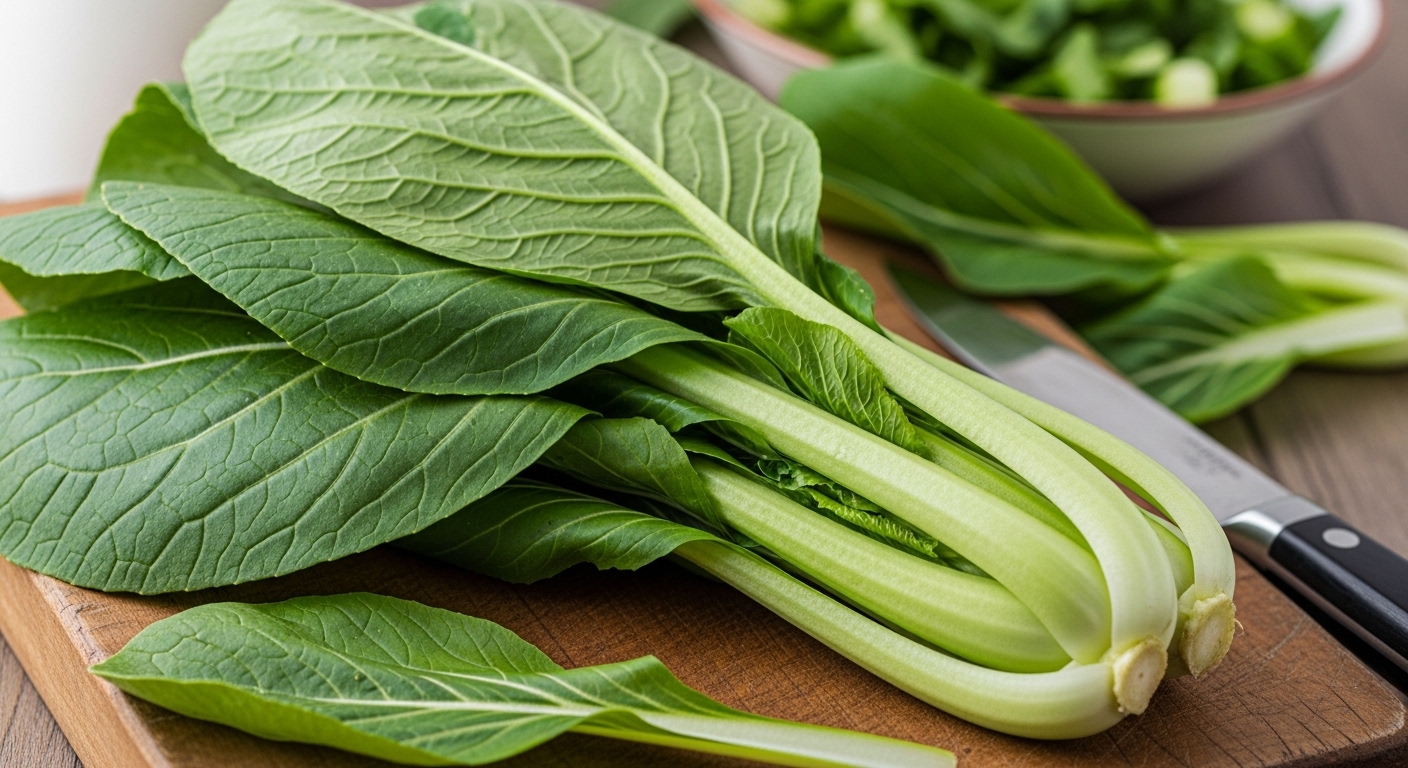
When it comes to leafy greens, yalla choy is a hidden gem that deserves a spot on your plate. This versatile vegetable, often overlooked in favor of more common options, packs a flavorful punch and offers numerous health benefits. Whether you’re an adventurous foodie or just looking to spice up your meals, yalla choy could be the perfect addition to your culinary repertoire. Curious about what makes this vibrant vegetable so special? Let’s dive into the world of yalla choy and discover why it should become a staple in your kitchen!
What is Yalla Choy?
Yalla choy, also known as Chinese flowering cabbage, is a leafy green vegetable native to Asia. Its vibrant yellow flowers and tender leaves add both color and nutrition to dishes.
This cruciferous vegetable belongs to the same family as broccoli and kale. It features a subtle sweetness coupled with a slightly peppery flavor that sets it apart from other greens.
Typically found in stir-fries or soups, yalla choy can be enjoyed raw in salads too. Its unique taste pairs well with various ingredients, making it adaptable for different cuisines.
Aside from its culinary uses, yalla choy is celebrated for its nutritional profile. It’s loaded with vitamins A, C, and K while offering essential minerals like calcium and iron. This makes it not just delicious but also an excellent addition to any healthy diet.
The Nutritional Benefits of Yalla Choy
Yalla choy is packed with essential nutrients that can boost your overall health. This leafy green is a great source of vitamins A, C, and K. These vitamins play crucial roles in maintaining healthy skin, boosting immunity, and supporting bone health.
Additionally, yalla choy contains minerals such as calcium and iron. Calcium strengthens bones while iron helps transport oxygen throughout the body.
Its high fiber content aids digestion and promotes gut health. Including yalla choy in your meals can help you feel fuller longer.
Moreover, this vegetable is low in calories yet rich in antioxidants. These compounds combat oxidative stress and may reduce inflammation.
Incorporating yalla choy into your diet offers a delicious way to enhance nutritional intake without added calories or guilt.
How to Prepare and Cook Yalla Choy
Preparing yalla choy is simple and rewarding. Start by rinsing the leaves thoroughly under cold water to remove any grit or dirt. Once cleaned, pat them dry with a kitchen towel.
Chop the stems and leaves into bite-sized pieces. This ensures even cooking and allows for better flavor absorption.
You can stir-fry yalla choy quickly in a hot pan with a drizzle of oil, garlic, and ginger for an aromatic dish. For added depth, toss in some soy sauce or oyster sauce just before serving.
If you prefer steaming, place the trimmed pieces in a steamer basket over boiling water for about 3-5 minutes until they’re tender but still vibrant green.
Experimenting with grilling can also bring out unique flavors—just brush them lightly with olive oil and season before placing on the grill. Enjoy discovering different methods!
Delicious Recipes with Yalla Choy
Yalla choy is a fantastic addition to various dishes, bringing both flavor and nutrition. One simple yet delicious recipe is stir-fried yalla choy with garlic. Just toss the greens in a hot pan with minced garlic and a splash of soy sauce for an easy side dish.
For something more unique, try adding yalla choy to your favorite noodle soup. Its crisp texture adds depth and freshness, perfectly complementing the broth.
If you’re feeling adventurous, consider making yalla choy pesto. Blend it with nuts, olive oil, parmesan cheese, and lemon juice for a vibrant twist on traditional pesto that’s perfect for pasta or as a dip.
You can also use yalla choy in salads; its slightly peppery taste pairs wonderfully with citrus vinaigrette and avocado slices. Each bite provides crunch along with essential nutrients!
Where to Find Yalla Choy and How to Choose the Best One
Yalla Choy can often be found at Asian grocery stores and farmers’ markets. Its vibrant green leaves and crisp stems make it easy to spot among other vegetables.
When selecting Yalla Choy, look for fresh, bright greens without any yellowing or wilting. The leaves should feel firm to the touch, indicating freshness.
Another tip is to check the stems; they should be sturdy and not limp. A good-quality bunch will have a fragrant aroma that hints at its unique flavor profile.
If you’re lucky enough to live near a local farm that grows this vegetable, consider visiting them directly. Freshly picked Yalla Choy tastes best when used soon after harvesting.
Tips for Incorporating Yalla Choy into Your Diet
Yalla choy is a fantastic addition to your meals, and incorporating it into your diet can be both fun and flavorful. One easy way to start is by adding it to stir-fries. Its crunchy texture holds up well against high heat, making every bite delightful.
Try using yalla choy in salads for a fresh twist. Toss raw leaves with citrus dressing or mix them into grain bowls for added nutrition.
You can also blend yalla choy into smoothies. A handful mixed with fruits like bananas or mangoes creates a nutrient-packed beverage that doesn’t compromise on taste.
If you’re feeling adventurous, experiment with pickling yalla choy. The tangy crunch adds depth to sandwiches and wraps.
Don’t forget about soups! Yalla choy wilts beautifully in broths, enhancing flavors while still delivering nutrients in each spoonful.
Conclusion
Yalla choy is more than just a leafy green; it’s a culinary treasure waiting to be explored. With its unique flavor and impressive nutritional profile, this versatile vegetable can elevate any dish while supporting your health. Whether you prepare it stir-fried, sautéed, or in soups, the options are endless.
Finding yalla choy at local markets or grocery stores is easier than ever as its popularity grows. When selecting the best bunches, look for vibrant leaves that are crisp and free of blemishes.
Incorporating yalla choy into your meals not only adds variety but also introduces new textures and tastes to your diet. So why not give it a try? You might discover a new favorite ingredient that enhances both flavor and nutrition in your everyday cooking. Embrace the versatility of yalla choy today!
-

 Cast10 months ago
Rico Rodriguez
-

 Episode Guide10 months ago
Halloween episodes
-

 Cast11 months ago
Cast
-

 Guest Star10 months ago
Valentine’s Day episodes
-

 Cast10 months ago
Sarah Hyland
-

 Cast10 months ago
Who is your favourite character?
-

 Guest Star10 months ago
Guest Star: Khamani Griffin
-

 Episode Guide10 months ago
Episode Guide : Season 1